CHRISTLETON
Curios and Curioser

BY PHILIP HARLAND
Spitting Images
The beauty and the beast of antique cuspidors
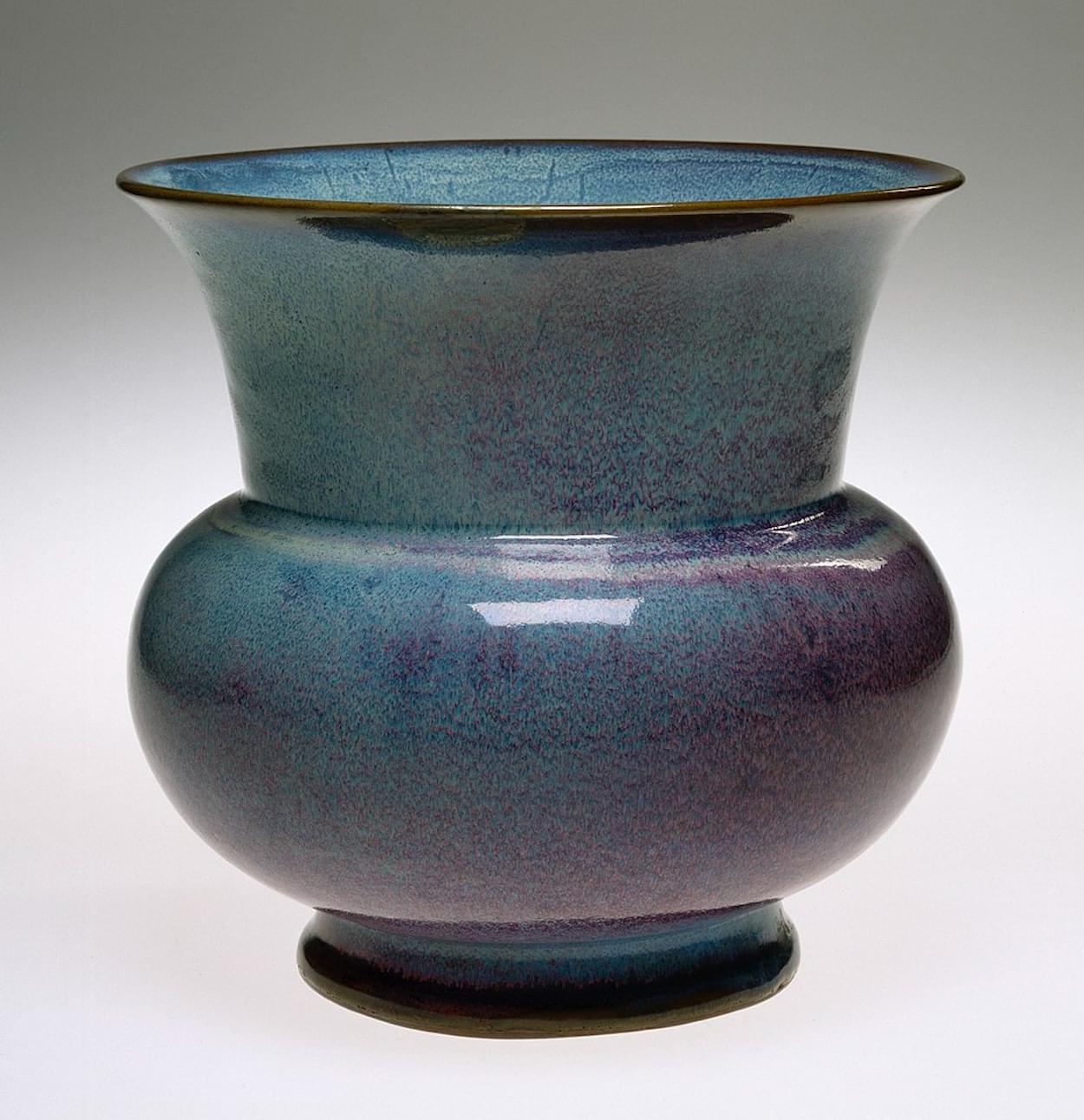
A Chinese spittoon from the 15th century
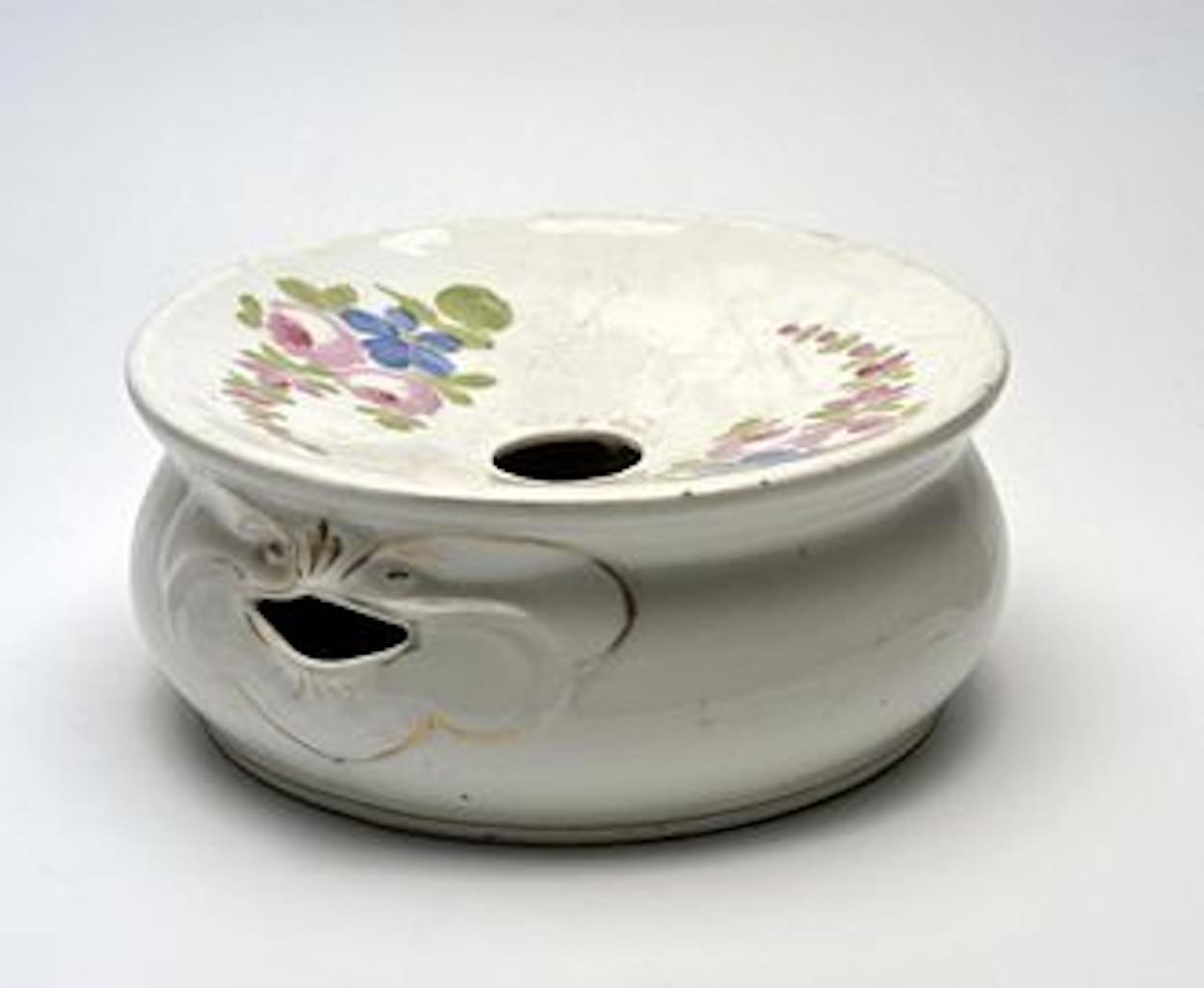
Pretty European spittoon from the early 20th century
I never cease to be amazed at the ingenuity of craftspeople, over the centuries who have turned the purely functional object into a splendid artefact. From drinking glasses to cutlery to household furniture the mundane tool becomes an exquisite artwork; there can be few antiques in which this is better illustrated than the spittoon (or more euphemistically, the cuspidor) which creative individuals turned from objectionable receptacle for chewed tobacco phlegm into attractive public amenity. The spittoon was a practical item long before anyone thought of it as decorative and was rooted firmly in everyday behaviour rather than ceremony or display
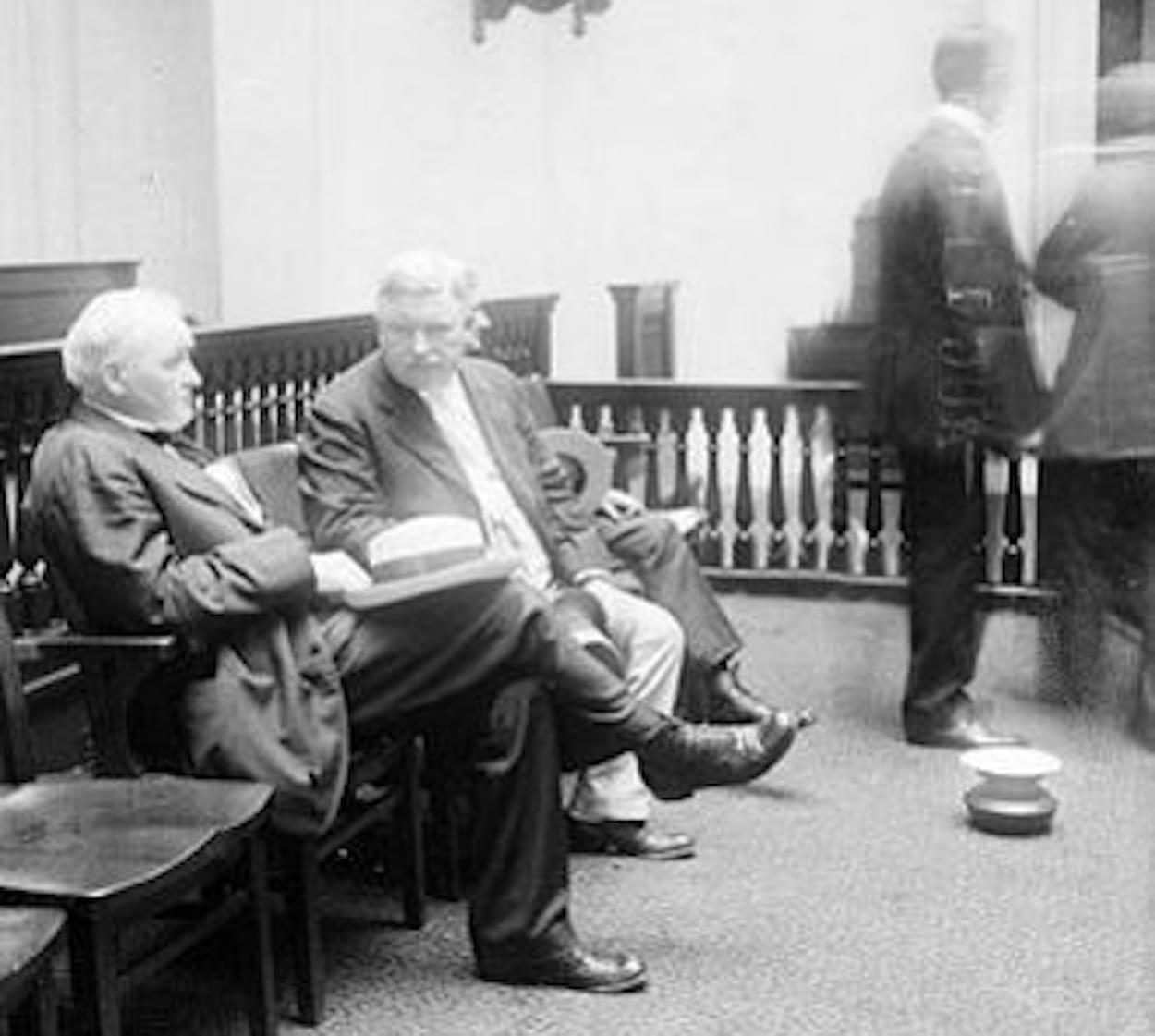
Conveniently placed spittoon in the Chicago courthouse around 1910
Their real moment arrives in the 18th and 19th centuries, when chewing tobacco and snuff were widespread across Europe and North America. Spitting was socially acceptable, even expected, so long as it was done in the right place. The spittoon existed to bring order and civility to a habit that would otherwise have been unpleasantly public. By the Victorian period, spittoons were ubiquitous: in homes, public houses, railway waiting rooms, offices, and courtrooms. They had to be visible enough to be used instinctively, yet discreet enough not to dominate a room. Choice of material often reflected status, with glazed ceramics and metals for smarter interiors and wood for more modest settings.
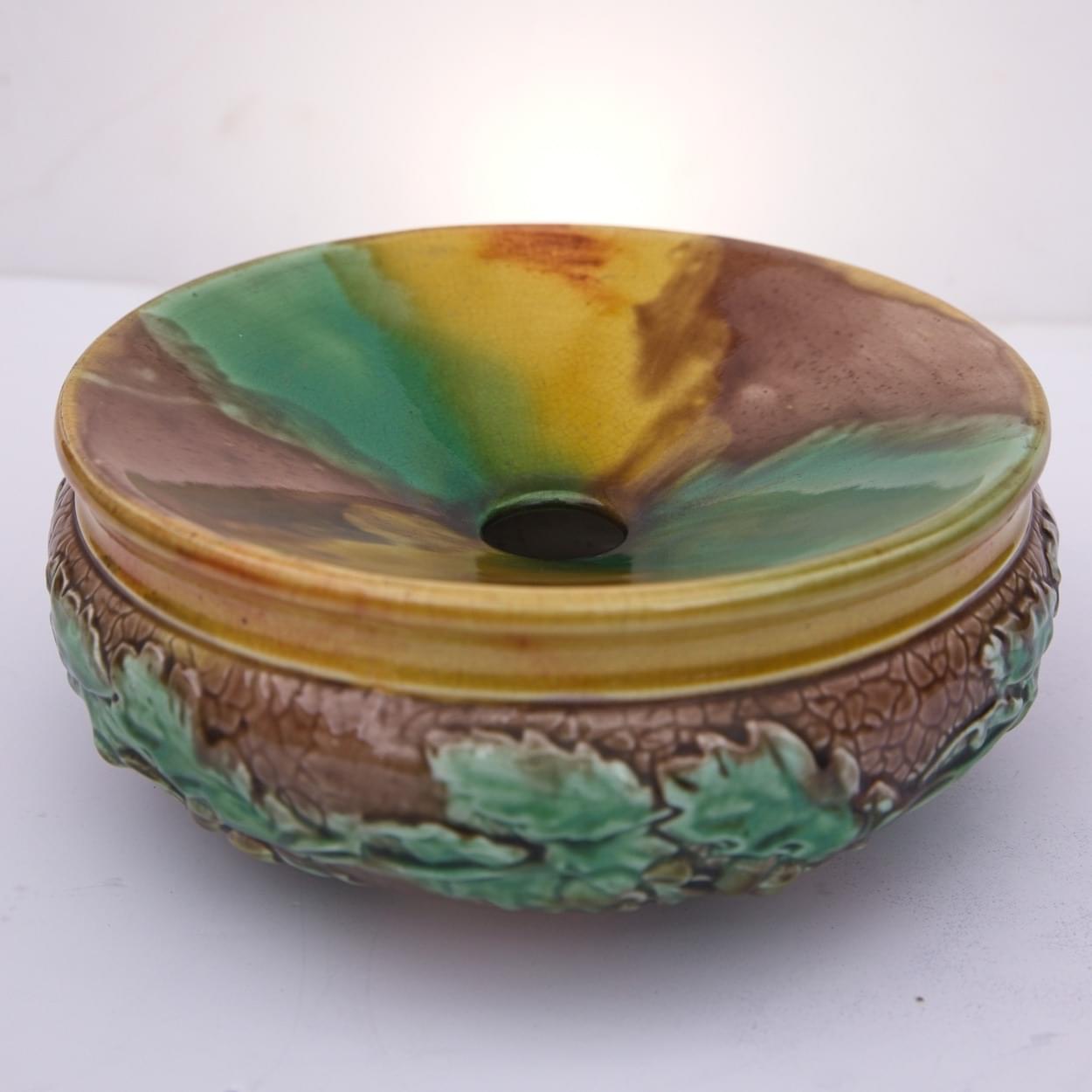
One example I own is a green ceramic spittoon, heavy and reassuringly solid. Its thick glaze was practical rather than ornamental, making it easy to clean and resistant to staining. The colour probably helped mask its contents between emptying!
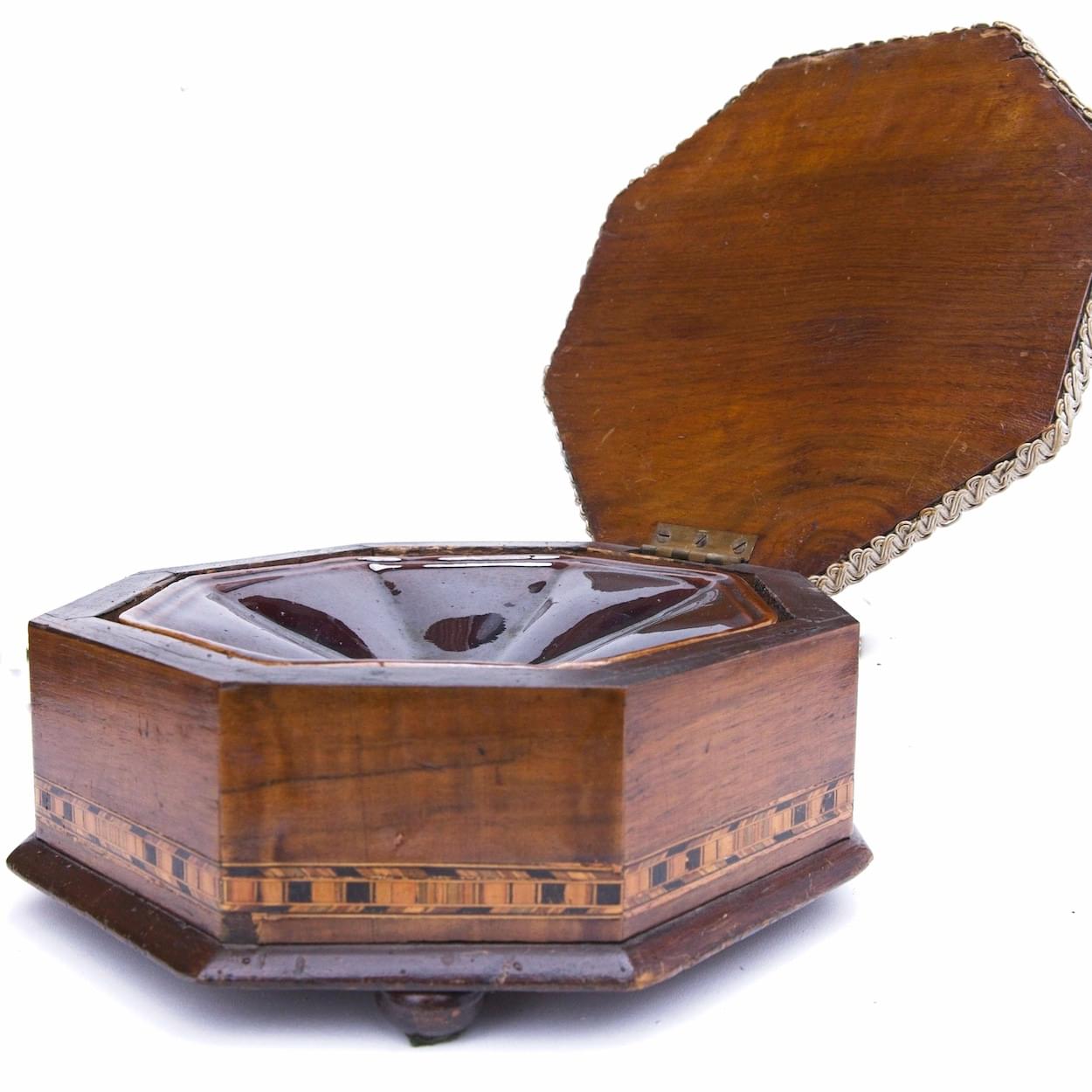
Another is a wooden enclosed spittoon disguised as a footstool. At first glance it appears to be furniture. This design speaks of changing sensibilities: the habit persisted, but the urge to conceal it grew stronger.
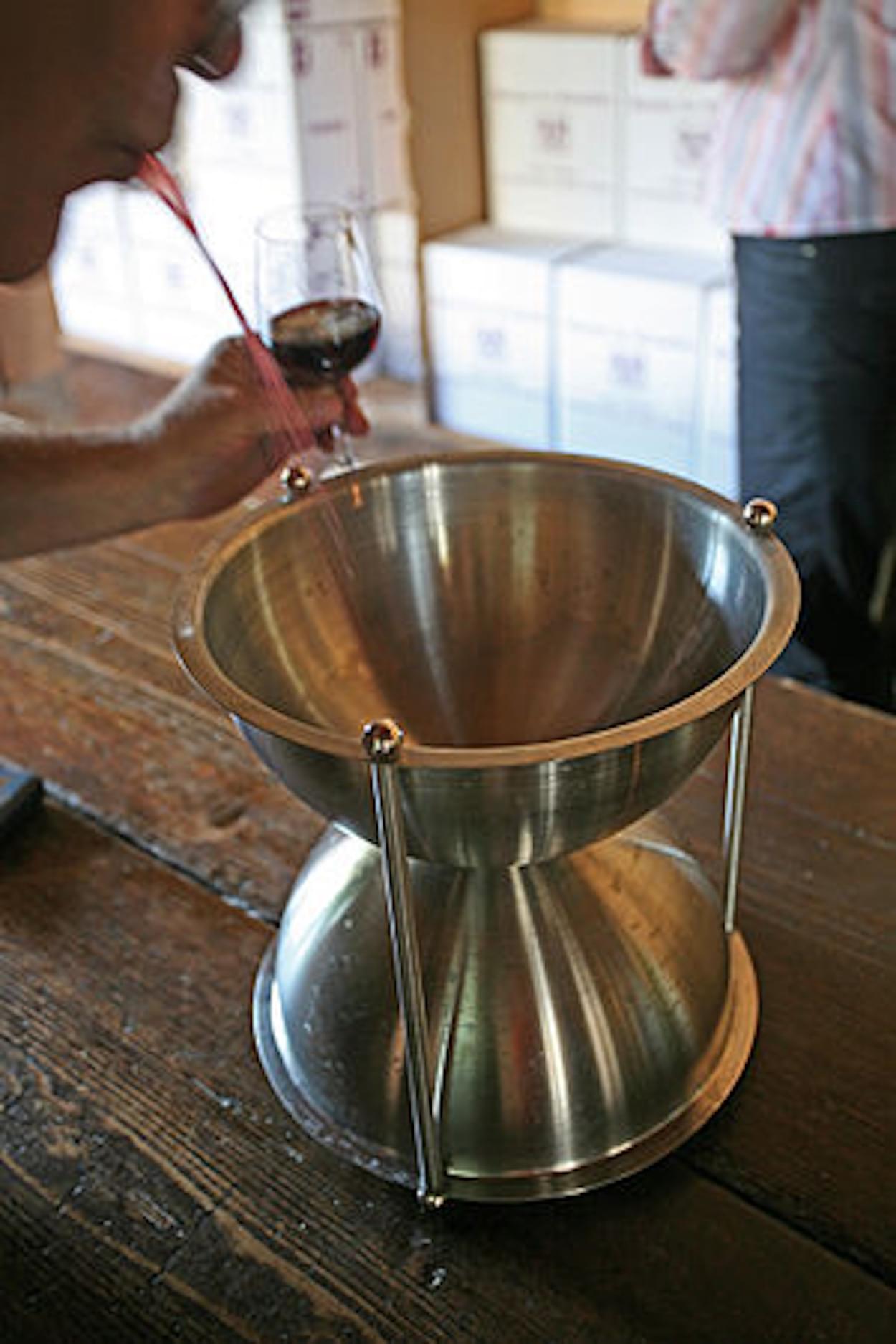
Although spittoons vanished from everyday life in the early 20th century - a demise accelerated by the devastating influenza pandemic of 1918-19 - they never disappeared entirely. Today, cuspidors remain an essential tool in the wine-making and wine-tasting world, where professionals still spit for practical reasons. It is a reminder that while social habits change, the objects that support them sometimes survive in unexpected places.