CHRISTLETON
Curios and Curioser

BY PHILIP HARLAND
All the Fun of the Fairings
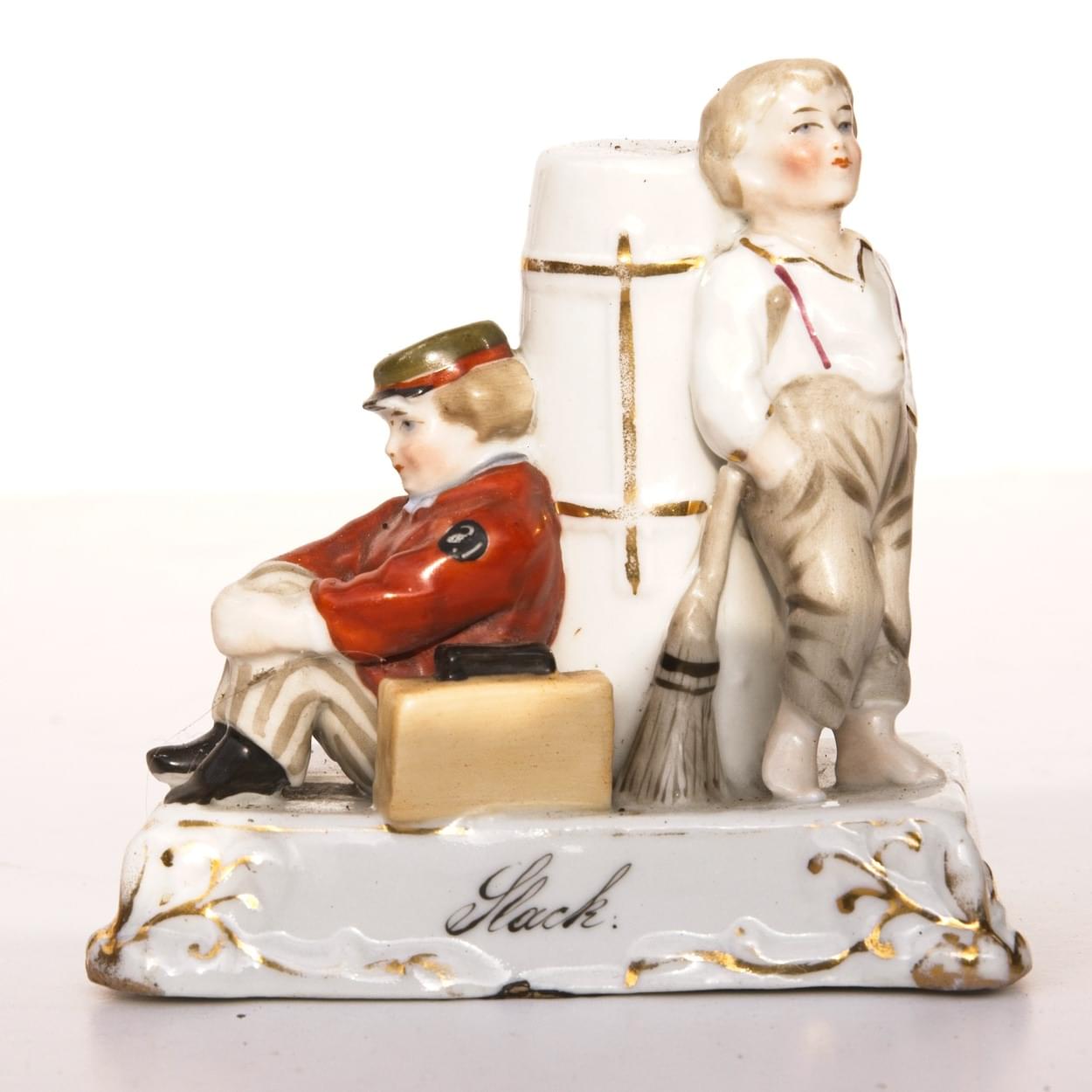
“Slack.” When I first noticed this small, somewhat crudely made ceramic figure with the single word ‘Slack’ in black italics, tucked away on a shelf in an antique emporium, I was intrigued. That modest purchase ended up opening the door to a fascinating world: Victorian fairings.
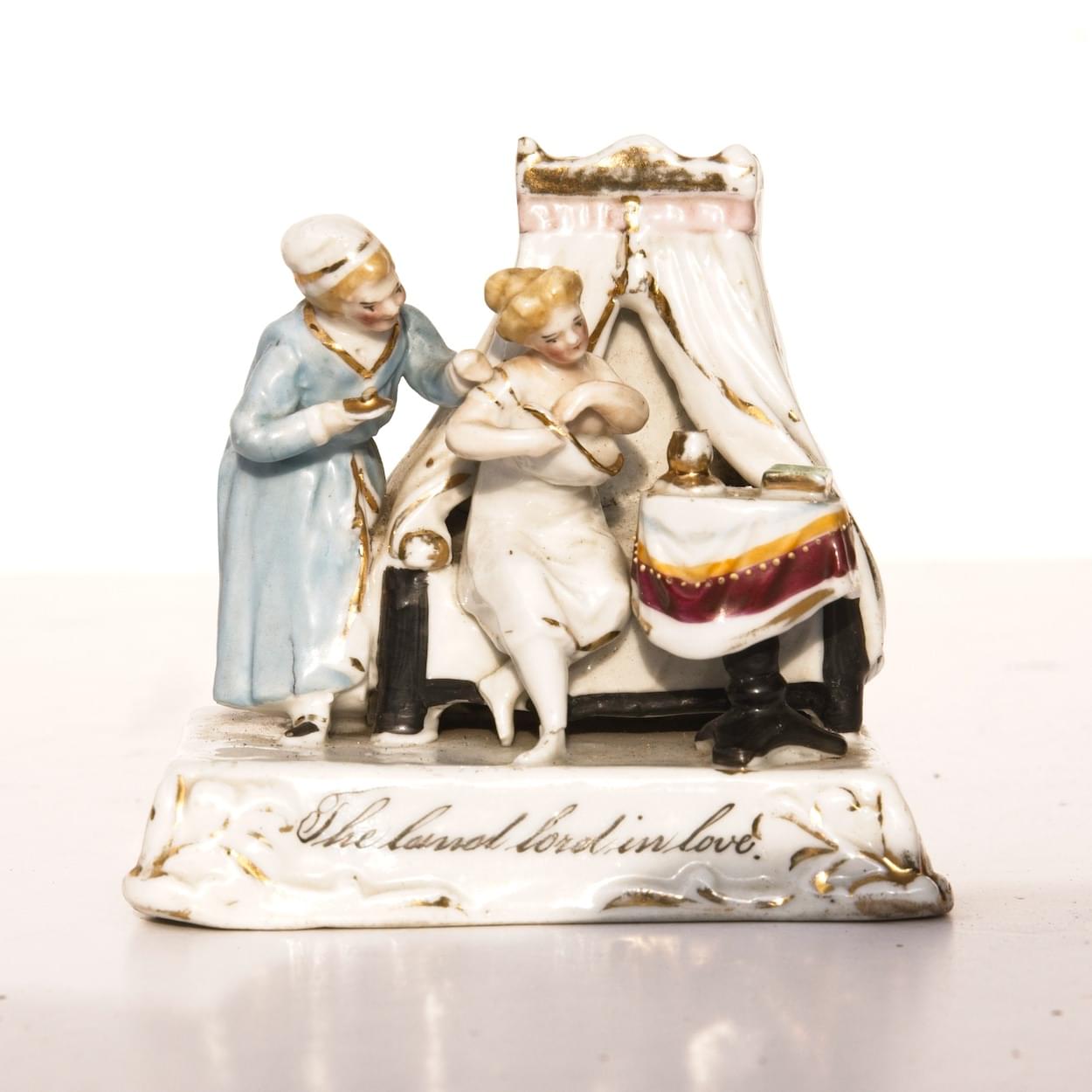
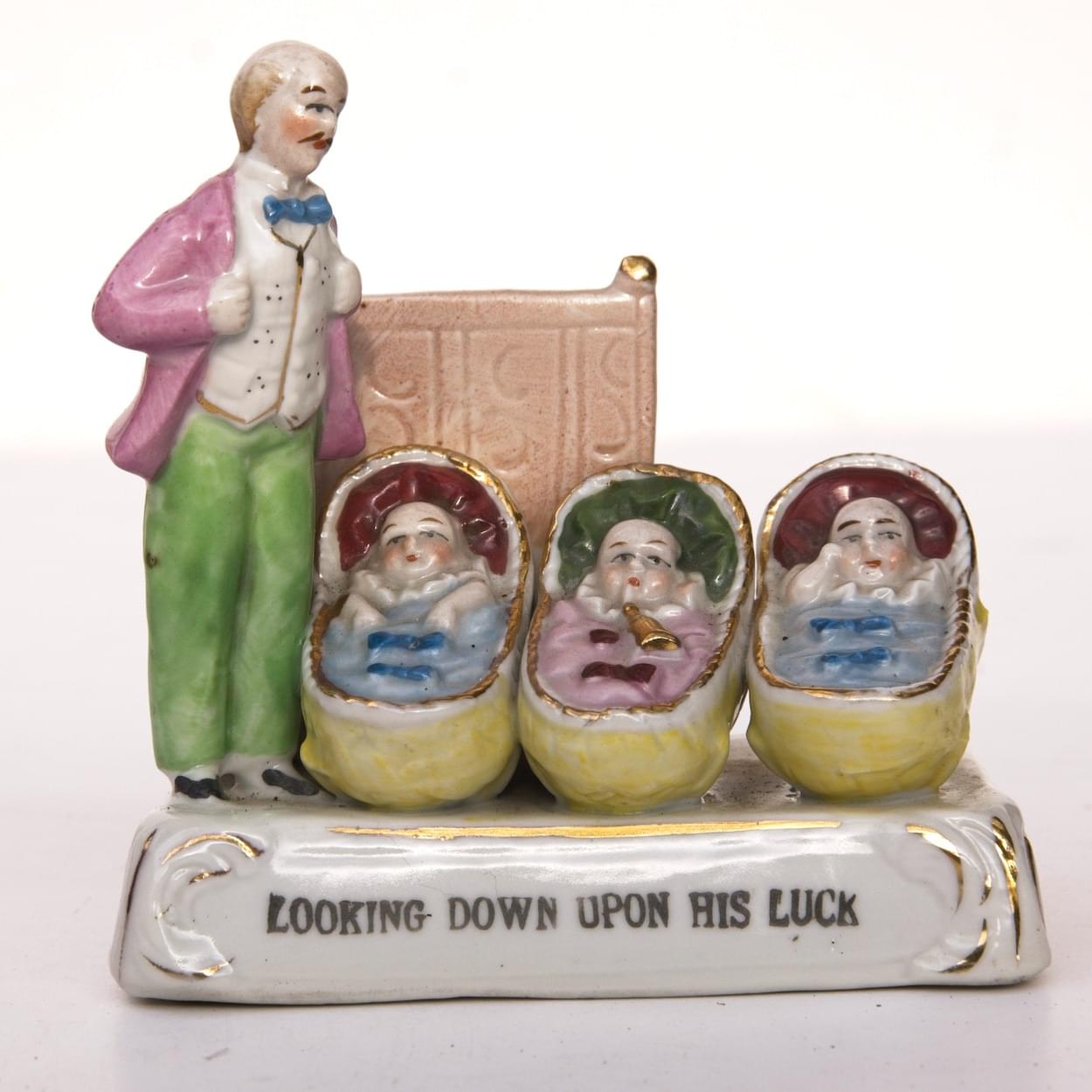
Victorian fairings are small ceramic figures that were popular in Britain during the mid to late 1800s. They’re usually made of glazed porcelain and often show people in humorous, romantic, or sometimes cheeky situations. The captions hammer home the risqué portrayals and remind me of saucy seaside postcards that would become so popular a few decades later. While they may look like simple ornaments, many fairings were designed to tell a joke or hint at a story, often with double entendres.
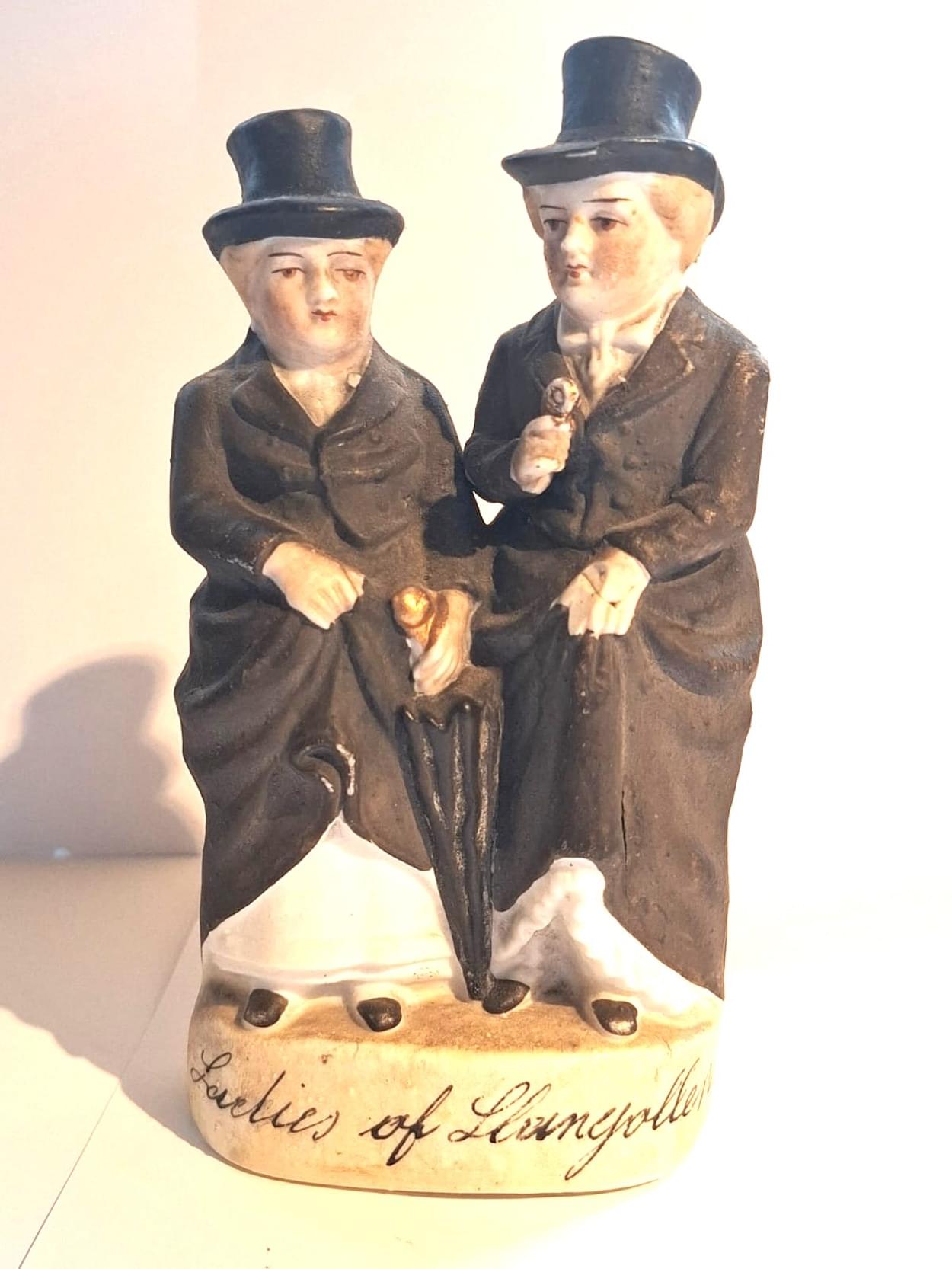
Not all Fairings were designed to be comical; some had a satirical and political bias whilst others portrayed celebrities of the period. A couple of years ago I came across the ‘Two Ladies of Llangollen’, a homage to the celebrated couple who elicited awe, admiration and a good deal of scandal in the Regency era. Most Fairings were mass-produced in Germany, the most well-known (and now recognised as the most collectable) by a company called Conta und Boehme of Pössneck in Saxony. German factories excelled at making affordable porcelain in large quantities, which made these figures cheap enough for ordinary people to buy. Ironically, although Fairings became closely associated with Victorian Britain, very few were actually made there. Instead, Britain imported them in huge numbers.
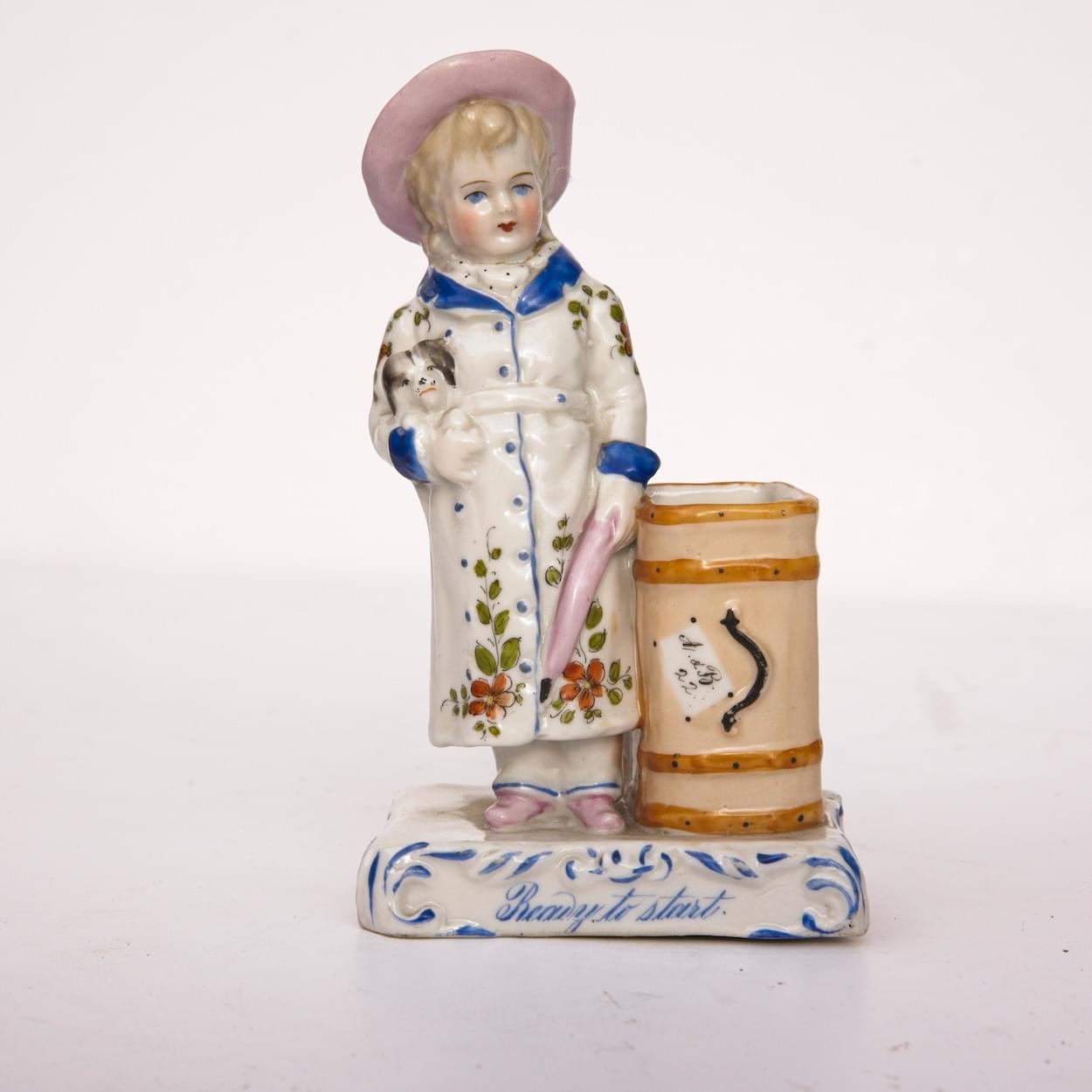
Many Fairings include short phrases or aphorisms, and this is where the German origins really show. The English text was often translated badly or word-for-word, leading to unintentionally funny results. A classic example is a married couple in bed accompanied by the clumsy and clearly literal translation from German ‘Shall we Sleep first or How?’. To Victorian buyers, these odd phrases probably added to the charm rather than detracted from it. So what on earth does my ‘Slack’ captioned figurine mean? Well, a Victorian china mug with printed design, and popular at the time depicted two children in conversation: one of them is asking ‘How’s Business?’ whilst the second replies ‘Slack’. This exchange was taken up by Fairings designers who saw the commercial attraction of having a pair of figurines to be sold or won separately. For some reason the ‘Slack’ figurine is now far more common than the ‘How’s Business’ element making the complete pair a rare and precious collectible.
Tips for collecting Fairings
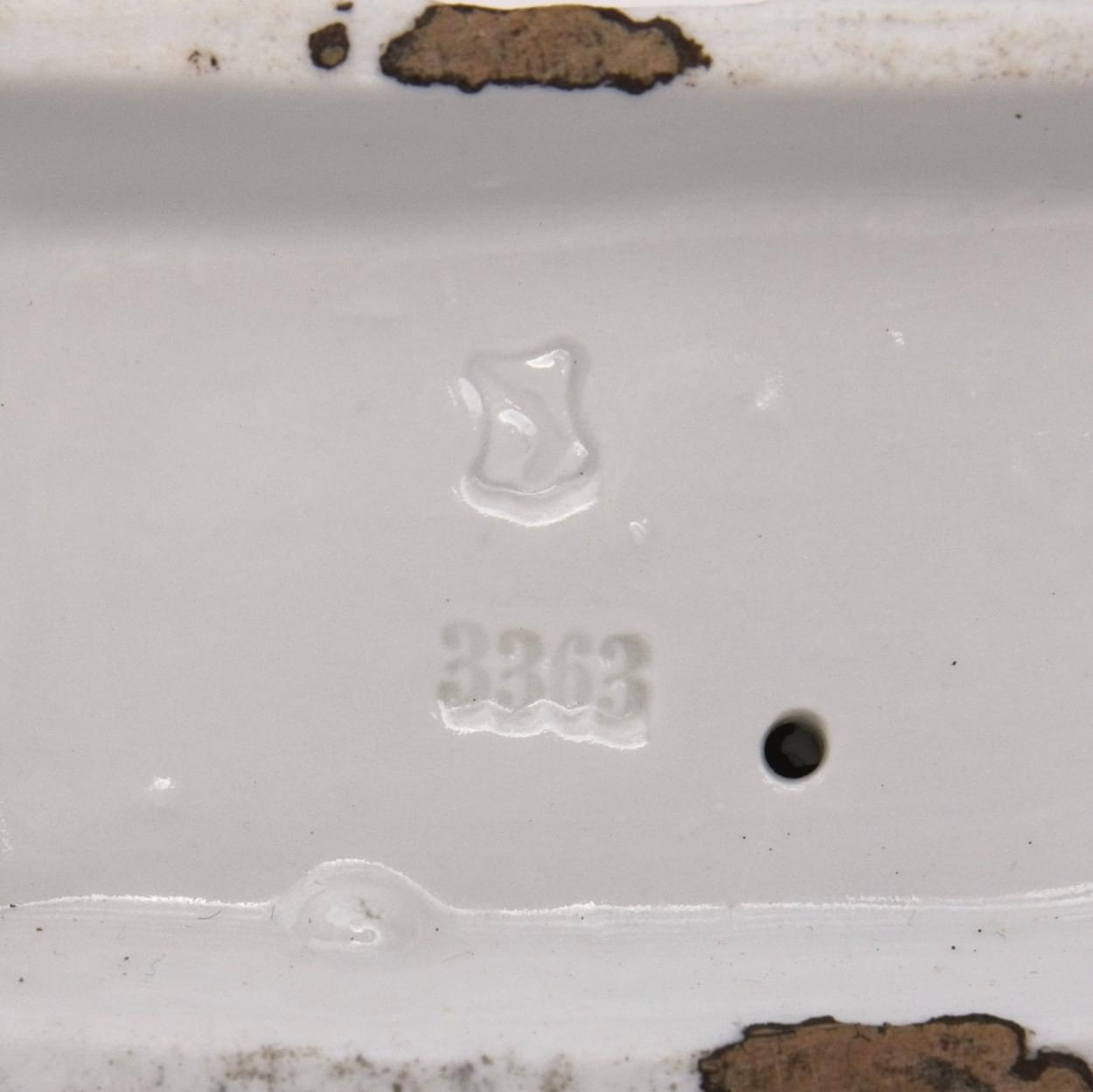
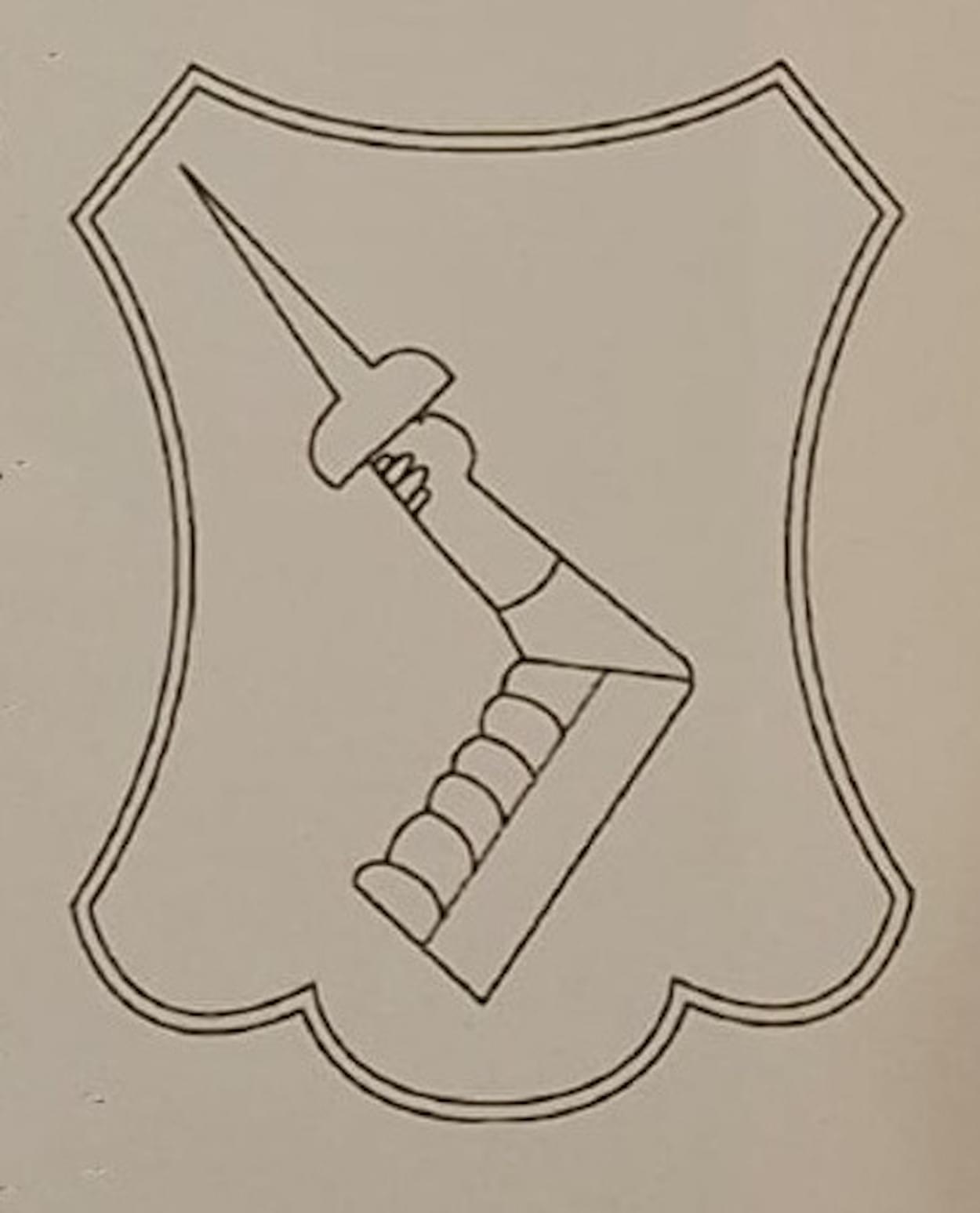
- Look for the Conta & Boehme mark (see photos above) and possibly a four-digit underglaze number
- Avoid any piece with a number on the base that starts with ‘18’ as this is going to be a later reproduction
- Look out for rare figurines. Derek Jordan’s ‘Victorian China Fairings’ explains and illustrates, beautifully hundreds of examples, categorising each into one of seven groups (A, B, C, D, E, F and X)
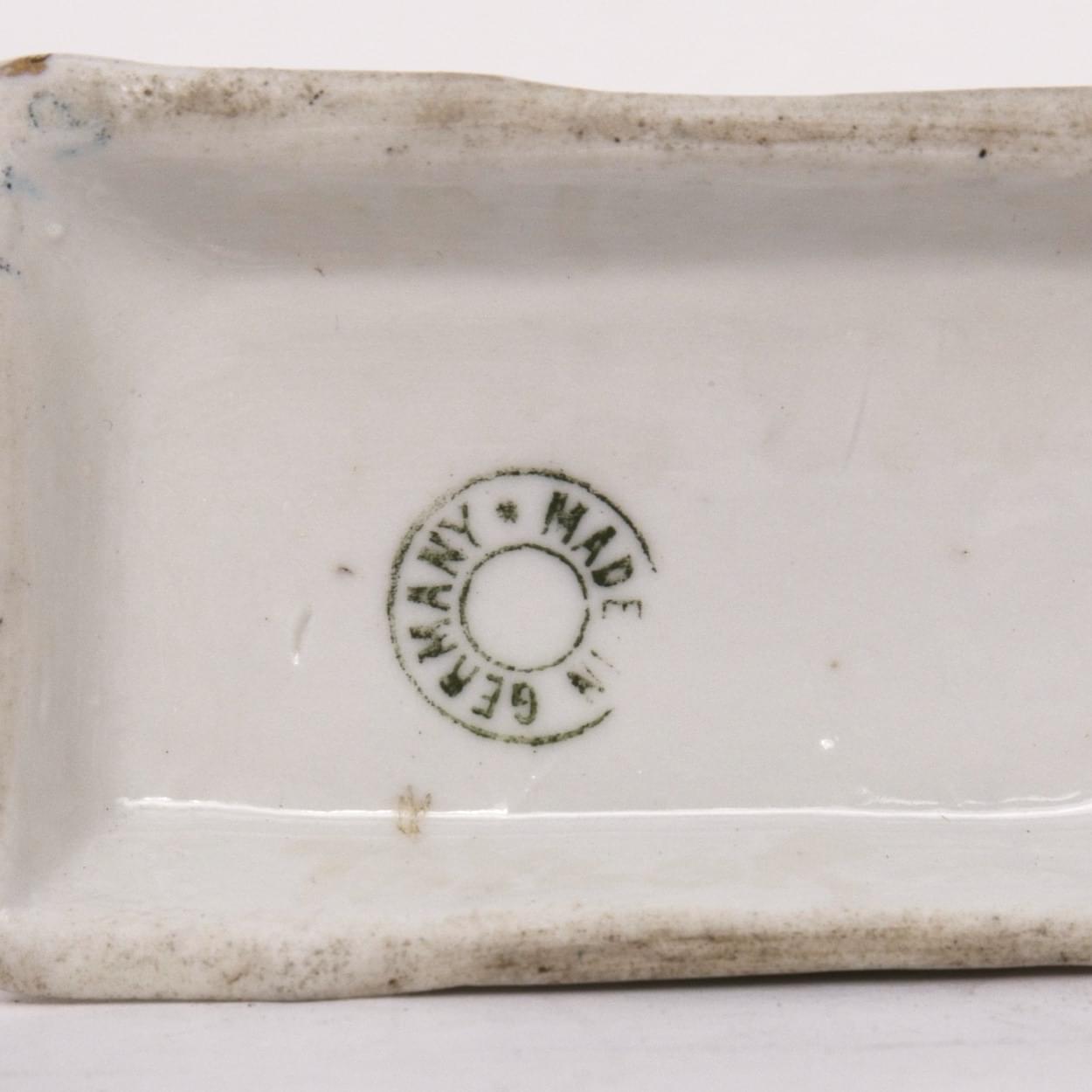
- Dating can be assessed in several ways: early pieces from Conta & Boehme between 1850-60 will often have the C & B mark as well as a scratched number. Later pieces may have an impressed number (as in the photo above) whilst post-1890 pieces will have a ‘Made in Germany’ mark as well.
- Fairing production from Germany ceased in 1914; reproductions were made right through until the late 20th century and were made in various locations including Japan.
- Two finger-nail size holes on the underside of a figurine base is a quick way to identify later reproductions.
- Twentieth century reproductions are often decorated badly with poor gilding.
- Look out for pairs of figurines. Getting a second to complete a pair can be an exciting quest!