CHRISTLETON
Curios and Curioser

BY PHILIP HARLAND
Chester Beneath the Covers
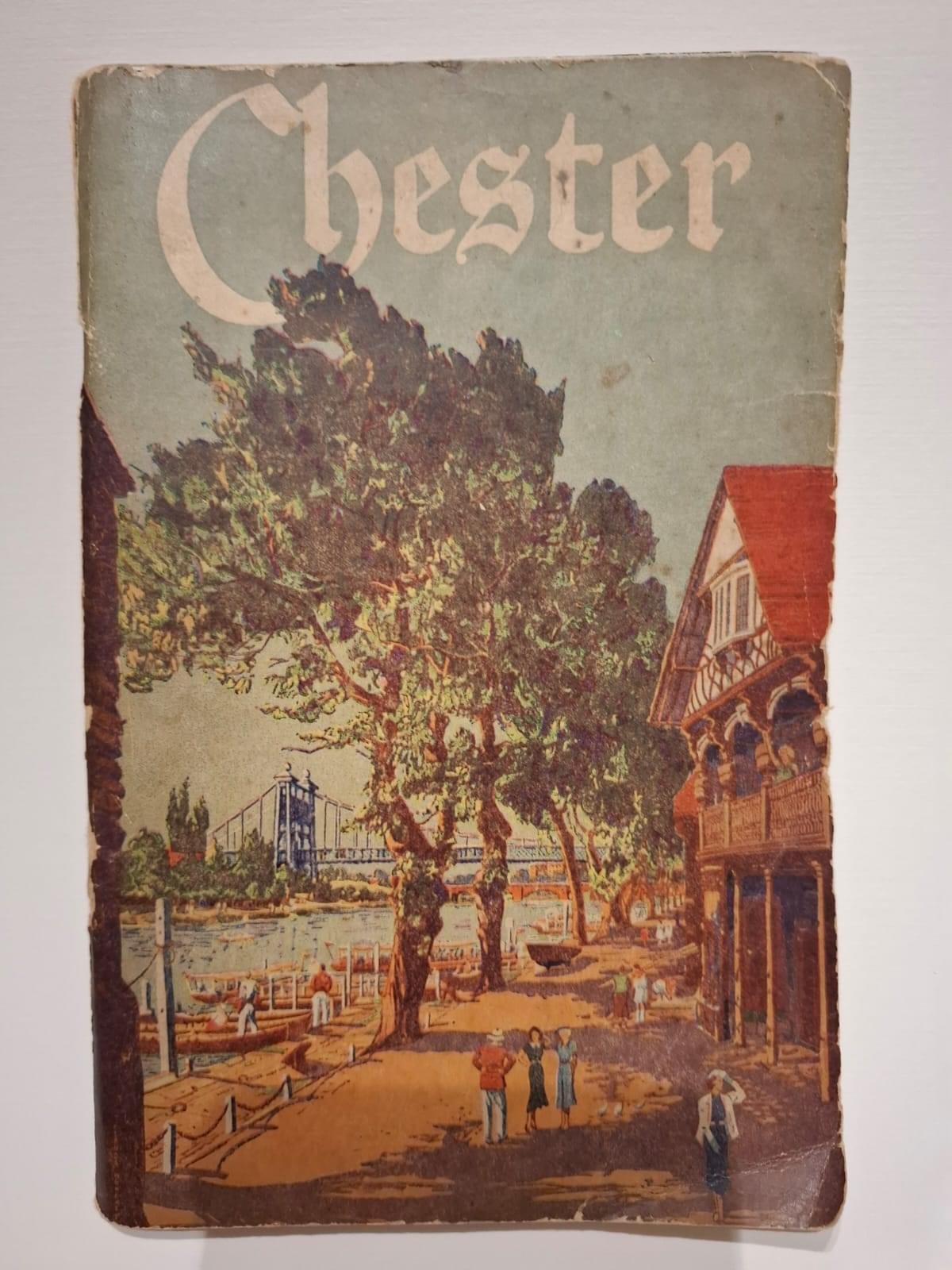
What I love about old guide books from the mid-20th century – apart from the fantastic covers reminiscent of railway advertising – is the way, like a photograph they capture the moment. No historical analysis, no mischievous ridicule of quaint ways, no smug hindsight. The booklets are, of course a potted, factual history of an ancient city but they are equally a guide to how people once saw Chester. Pocket guides like these are funded by advertising and it is through the marketing that we get a fascinating glimpse of how contemporaries viewed their own city.
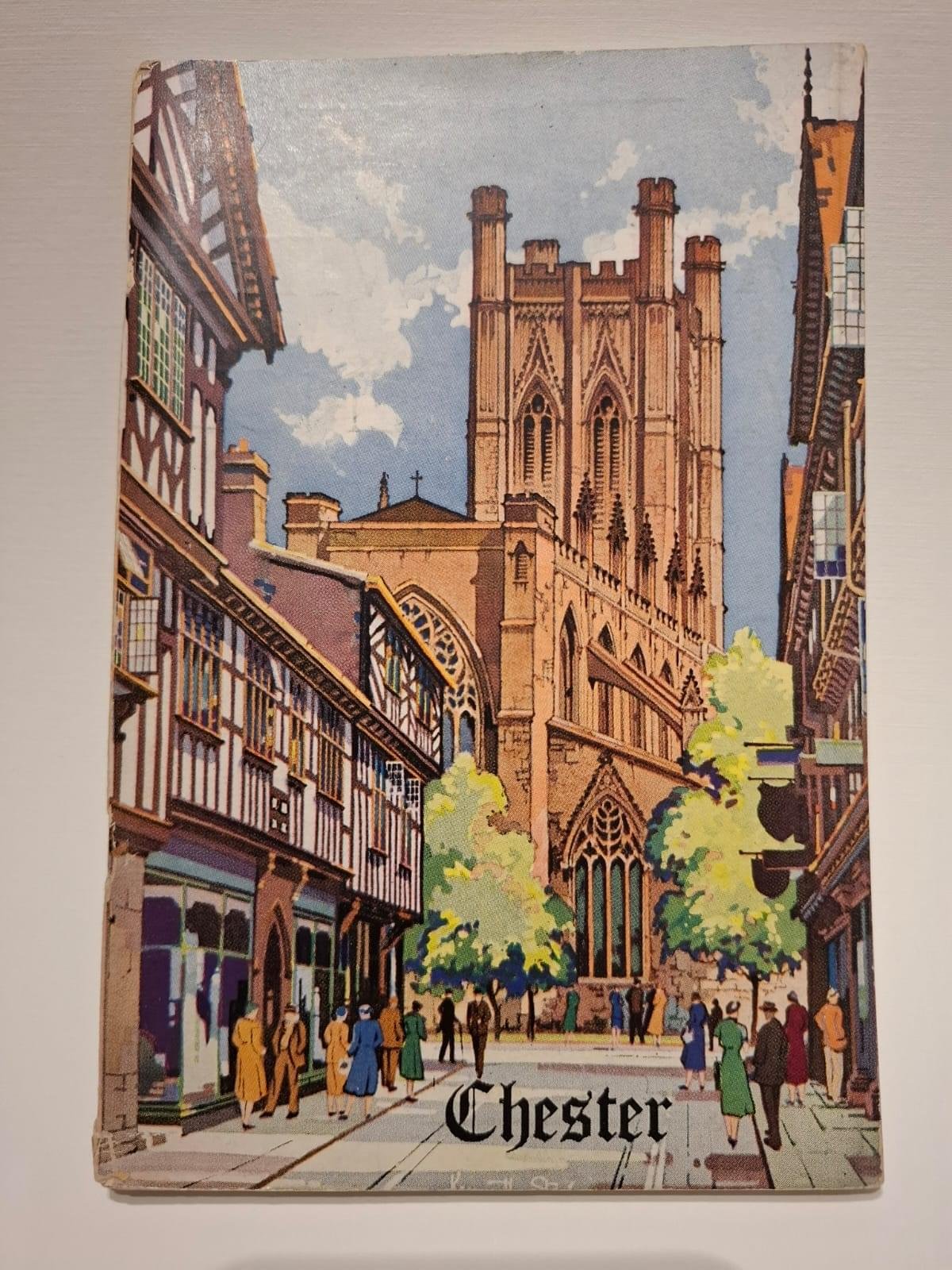
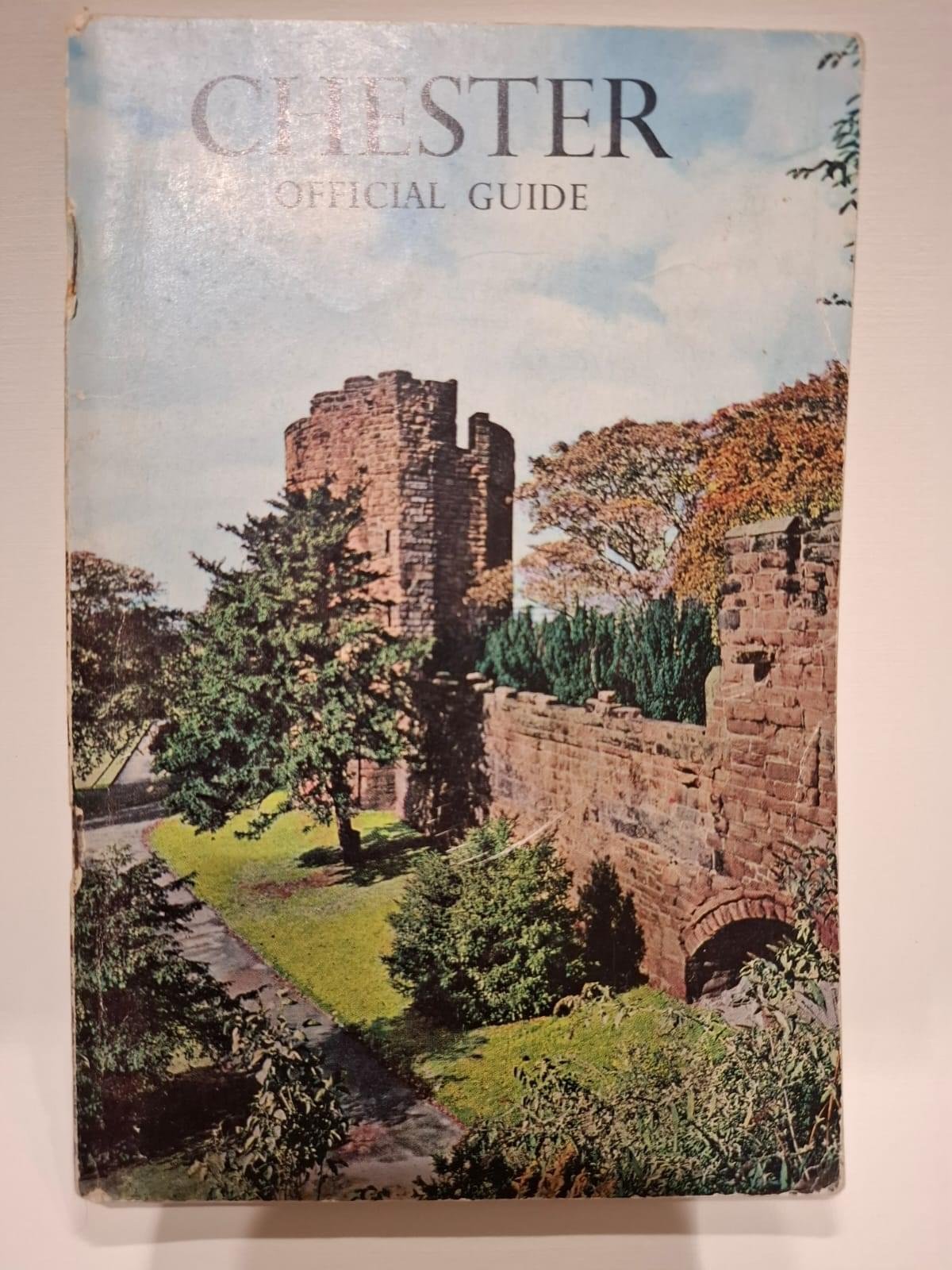
The three examples here of Chester guidebooks date, I think from the mid 1940’s, the early 1950s and the 1960’s and whilst you come across images and descriptions of places remaining unchanged over the years there are a few which, for me are astonishing glimpses of Chester’s fairly recent past. The Iron Bridge (Thomas Telford), for example near Aldford is described in the 1940’s guide book as part of a jaunt from Chester by ‘motor launch’ to the landing stage at Eccleston and then by foot using the bridge to cross the Dee.
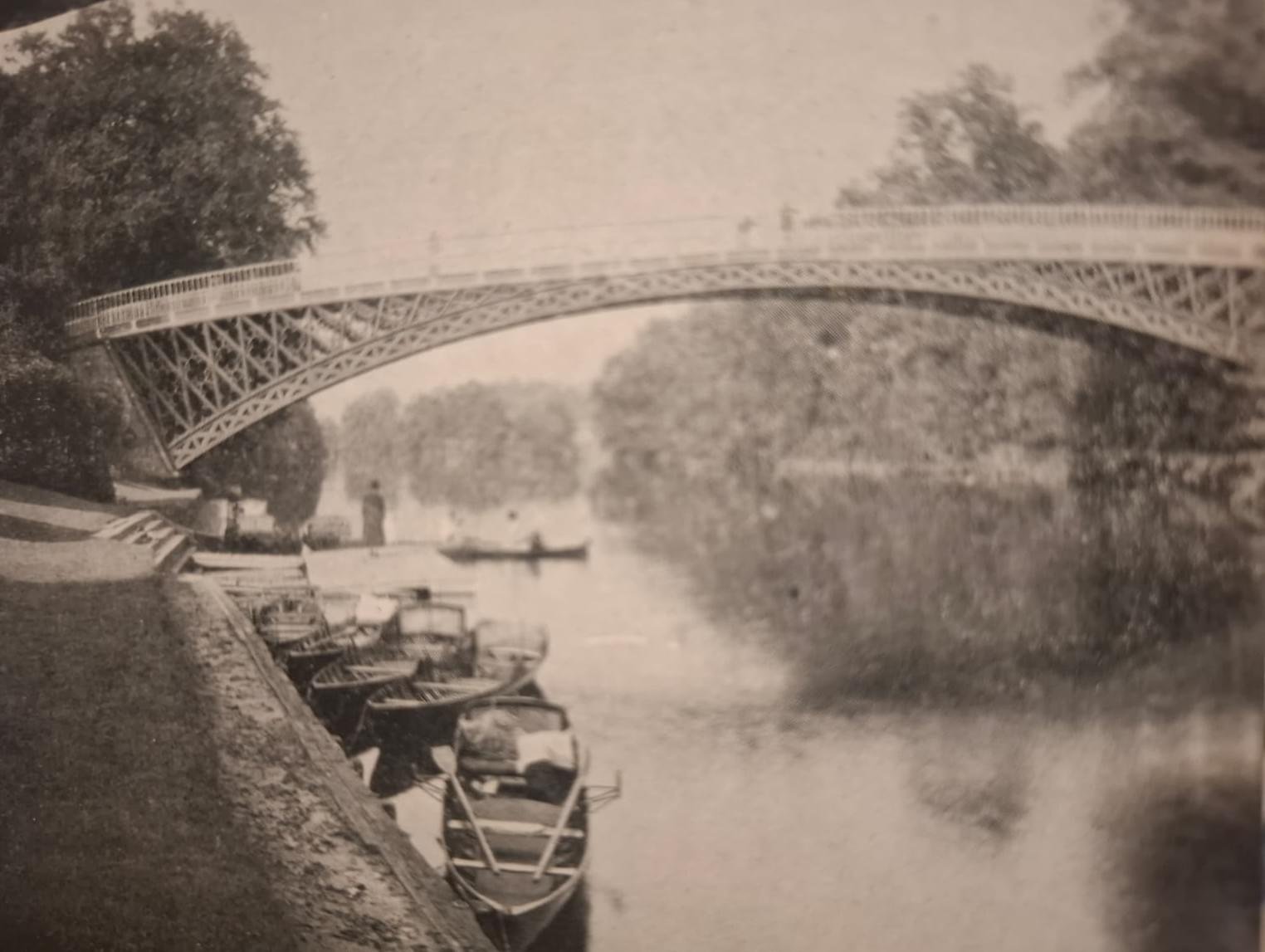
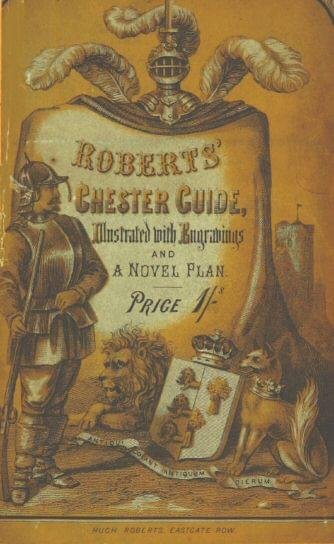
If you ‘Google’ early guides to Chester what crops up is Roberts’ Chester Guide published in 1858, however these words in the preface suggest an earlier version:
‘The visit of the Royal Agricultural Society of England to Chester in July, 1858, seems a fitting occasion on which to present to the public an entirely NEW EDITION of the CHESTER GUIDE, which has been carefully revised throughout’
What is for sure is that from the mid-19th century at the very latest visitors to Chester would have arrived (usually by train) brandishing a beautifully illustrated booklet detailing all the major sites.
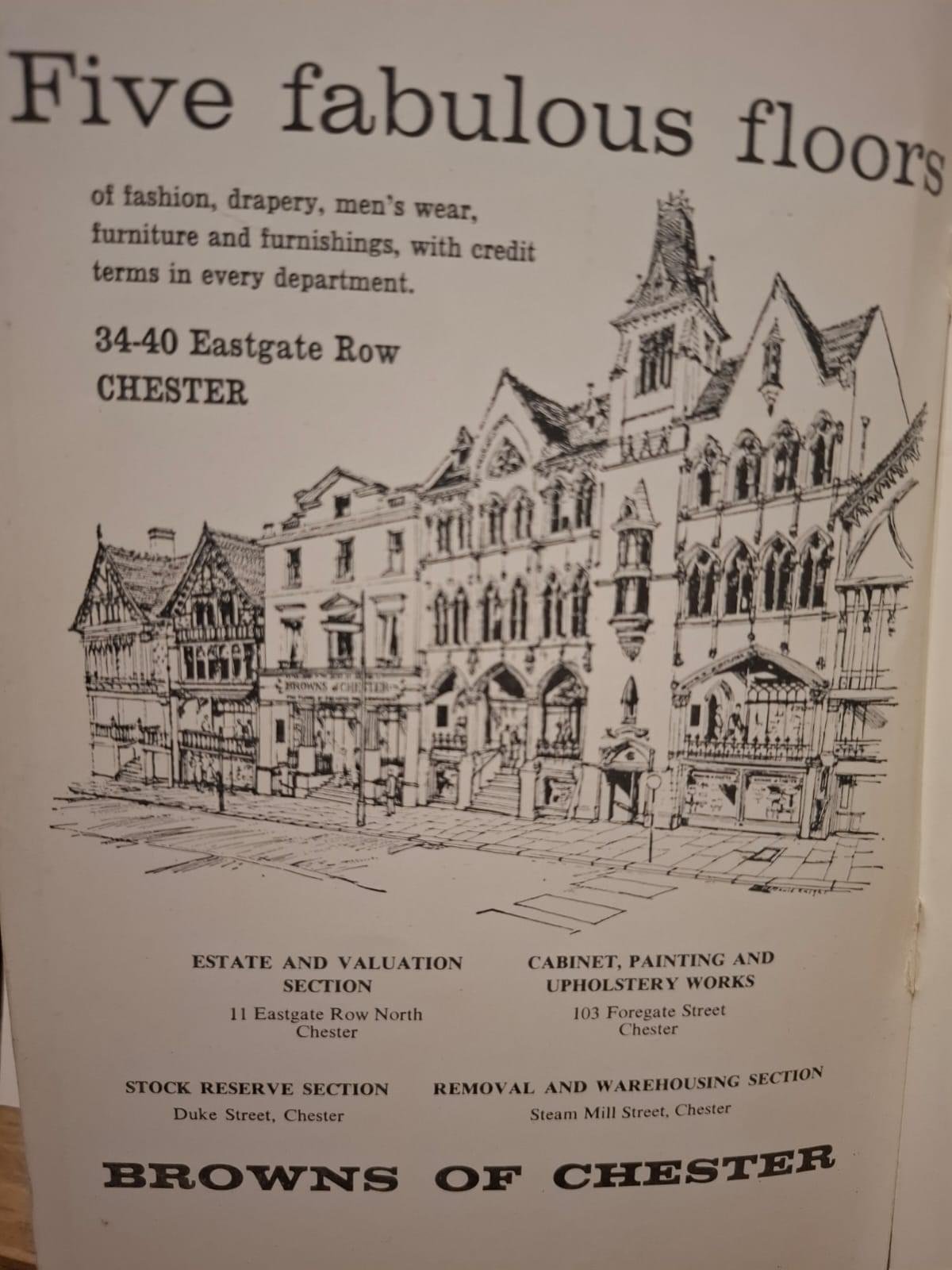
The greatest fun, for me, is in the advertisements. These little books are full of the businesses and products that once formed the everyday life of Chester – shops, hotels, restaurants, manufacturers and all manner of things that now sound wonderfully quaint. They can be almost as revealing as the historical information itself. I wonder how many years it will be before Browns of Chester becomes part of Chester folklore?
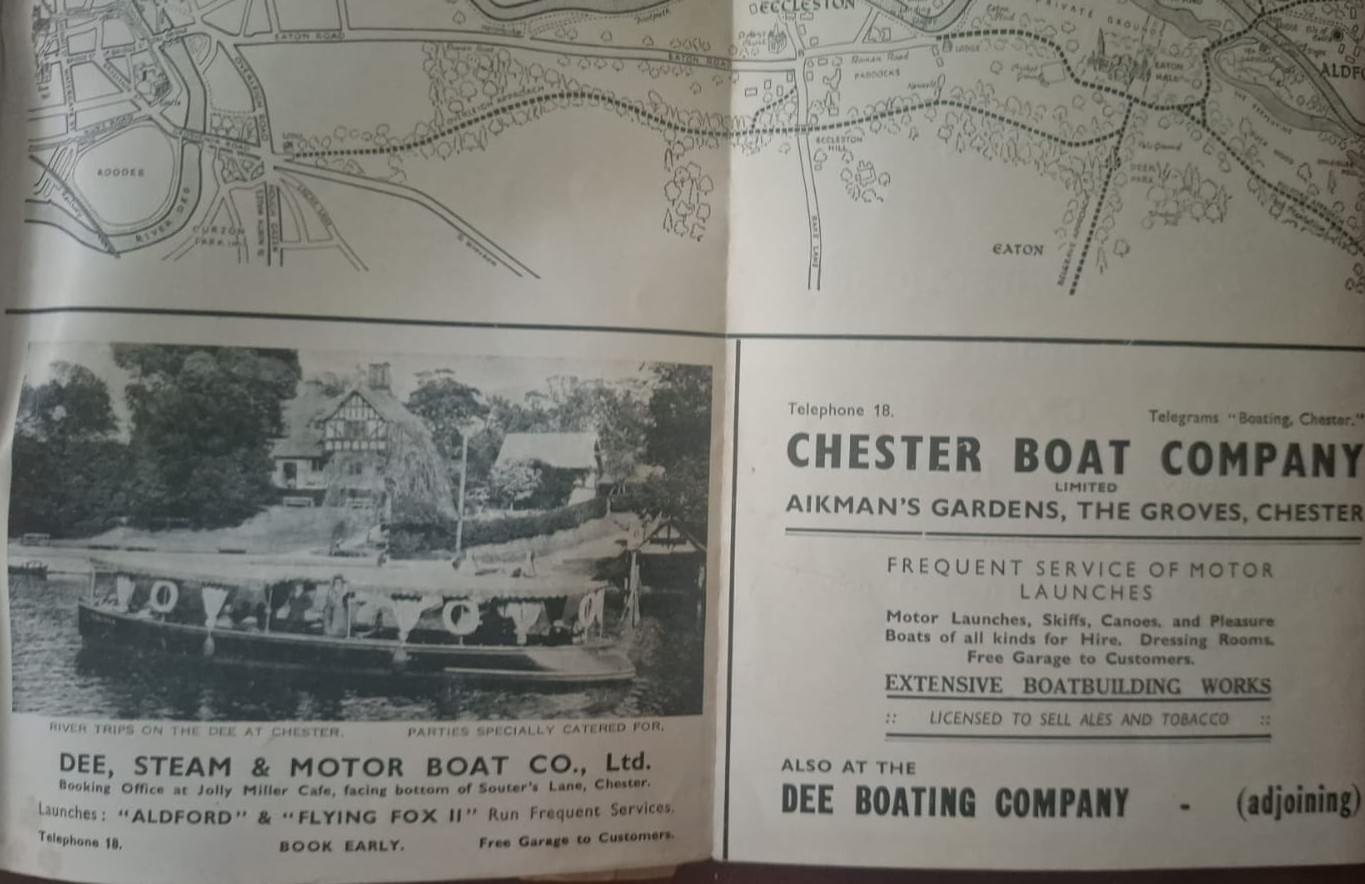
And then there are the pictures. Compare the Chester of one generation with another and the changing city gradually emerges: buildings appear or disappear, fashions change, streets acquire new traffic and riverside scenes are transformed. Even the rather idealised illustrations tell us something about how Chester wanted to present itself. As a fairly recent arrival to Chester I would welcome corrections/any additional information to any of the above.