May
Plenty of Chicks - Precious Few Swallows
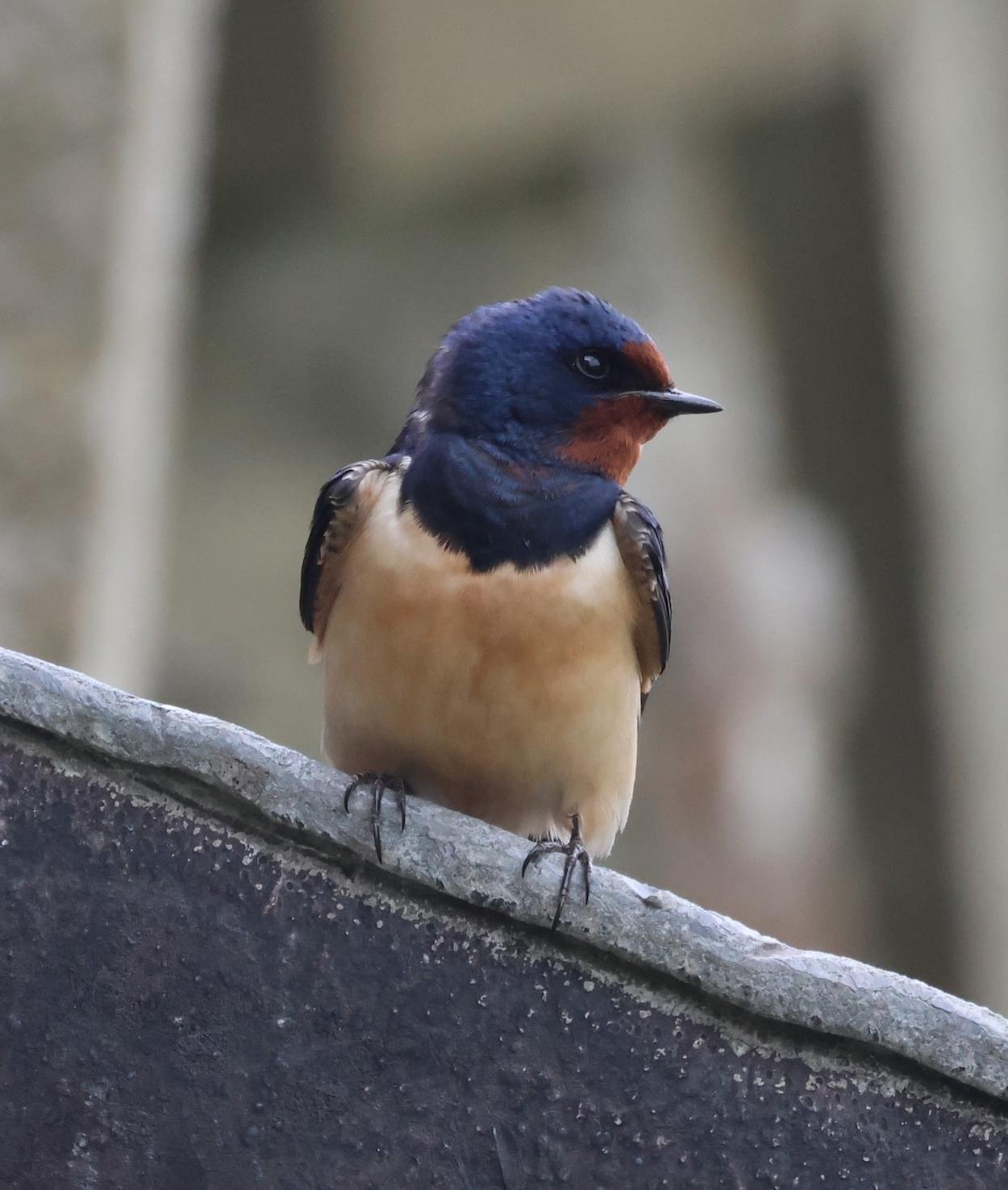
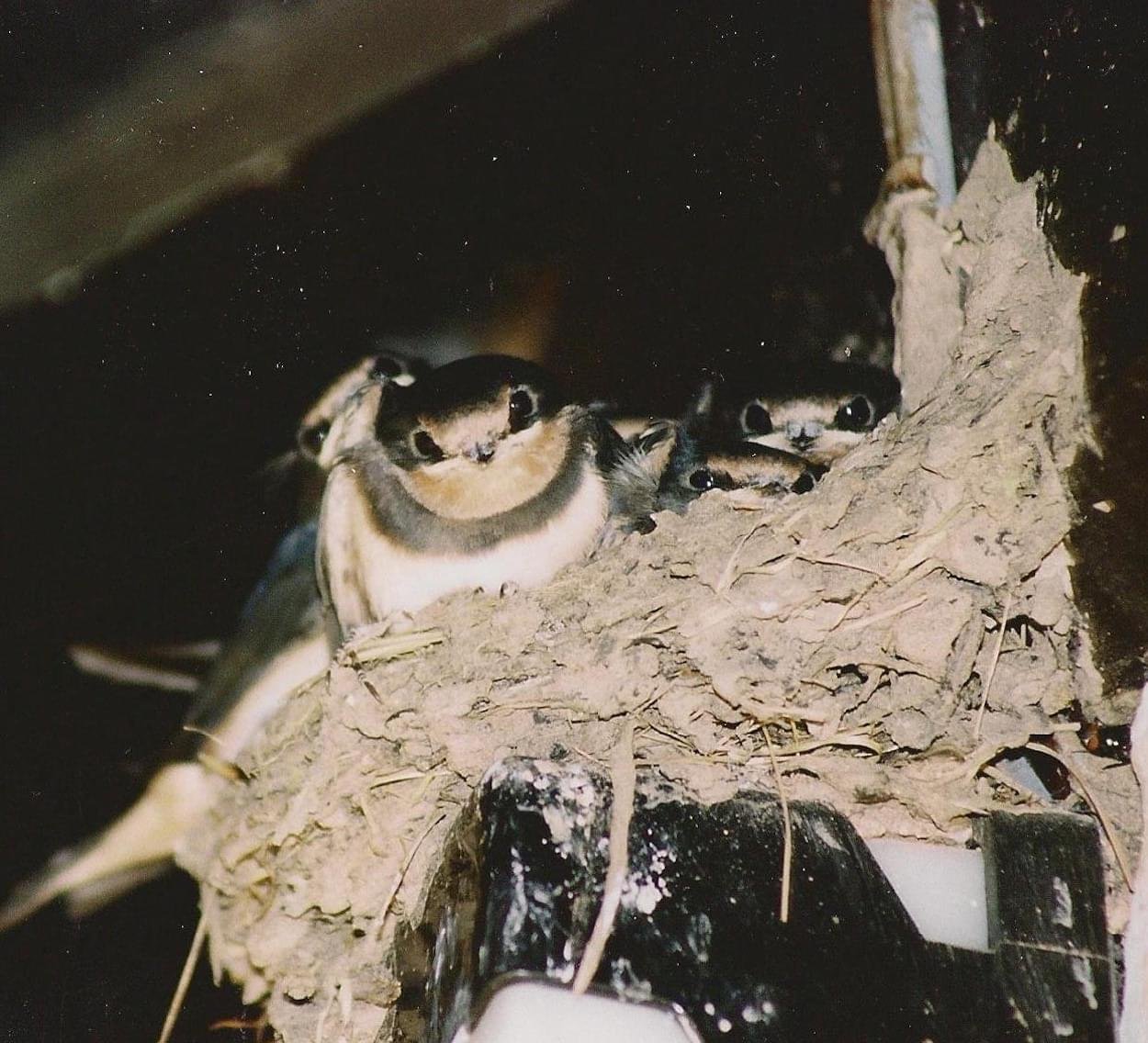
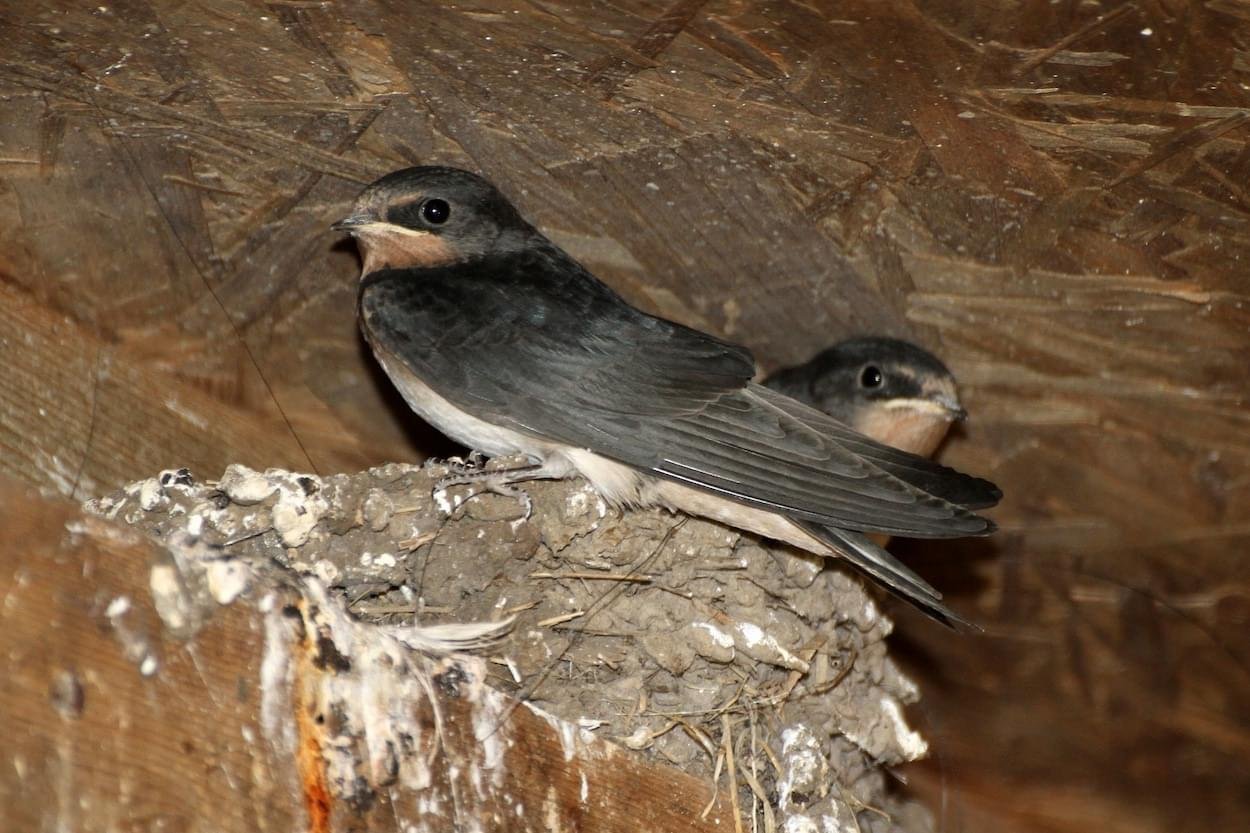
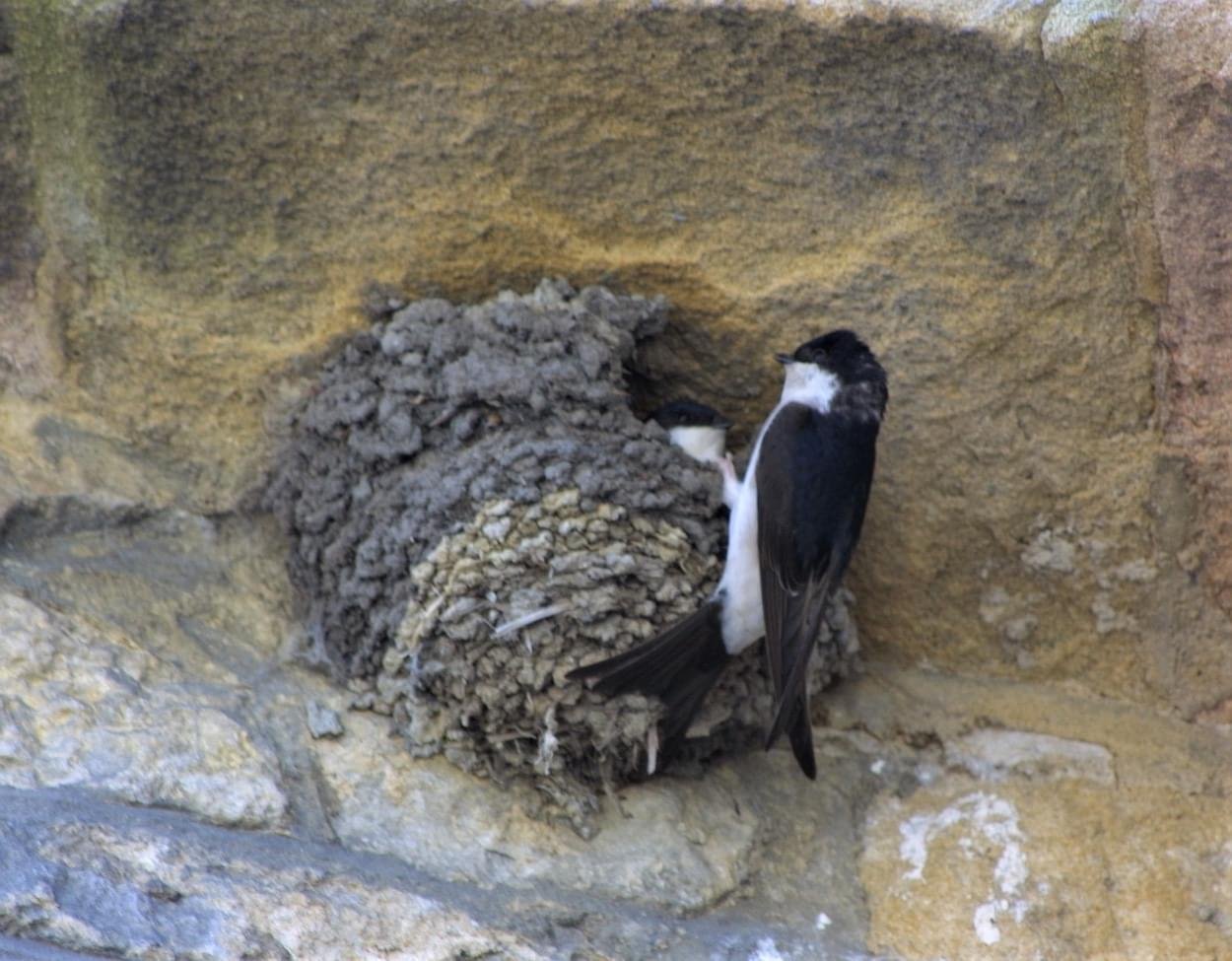
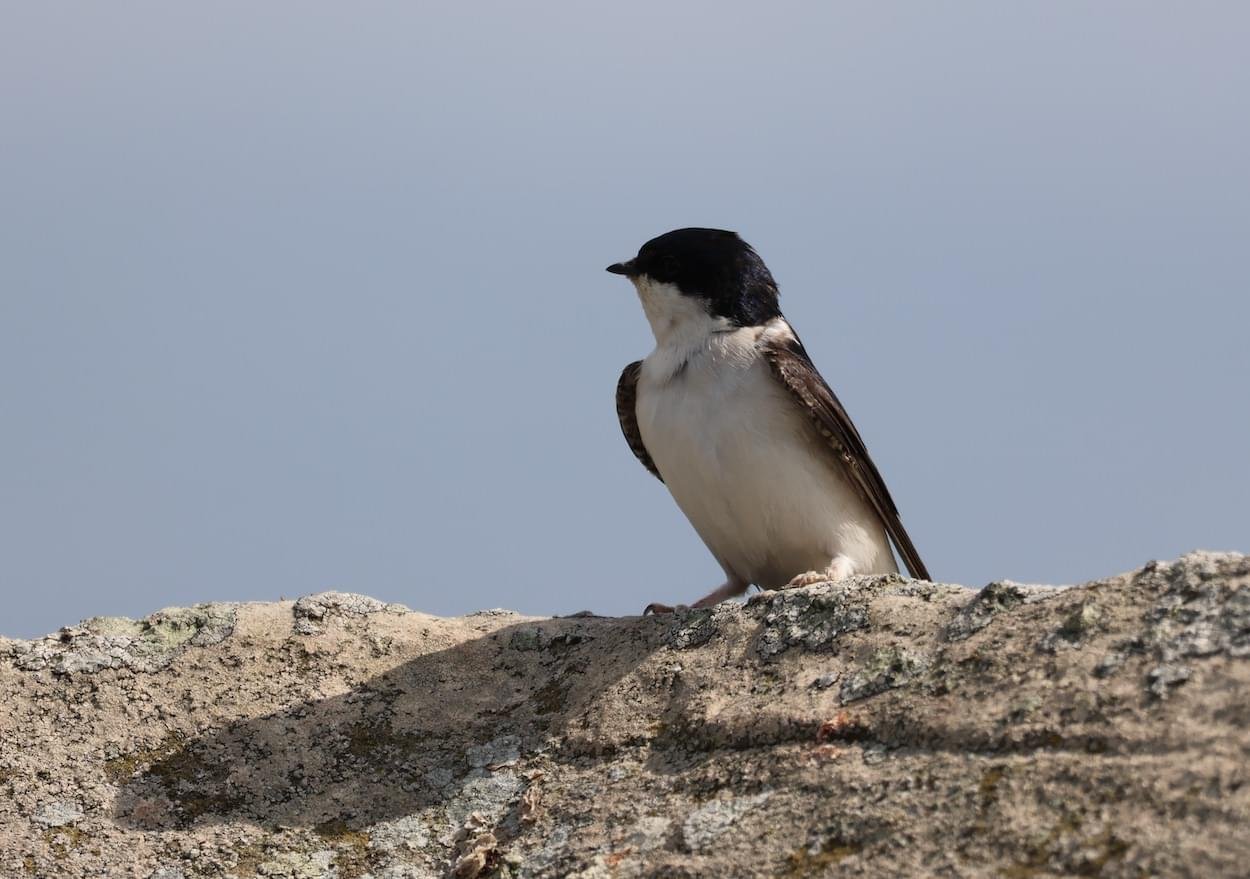
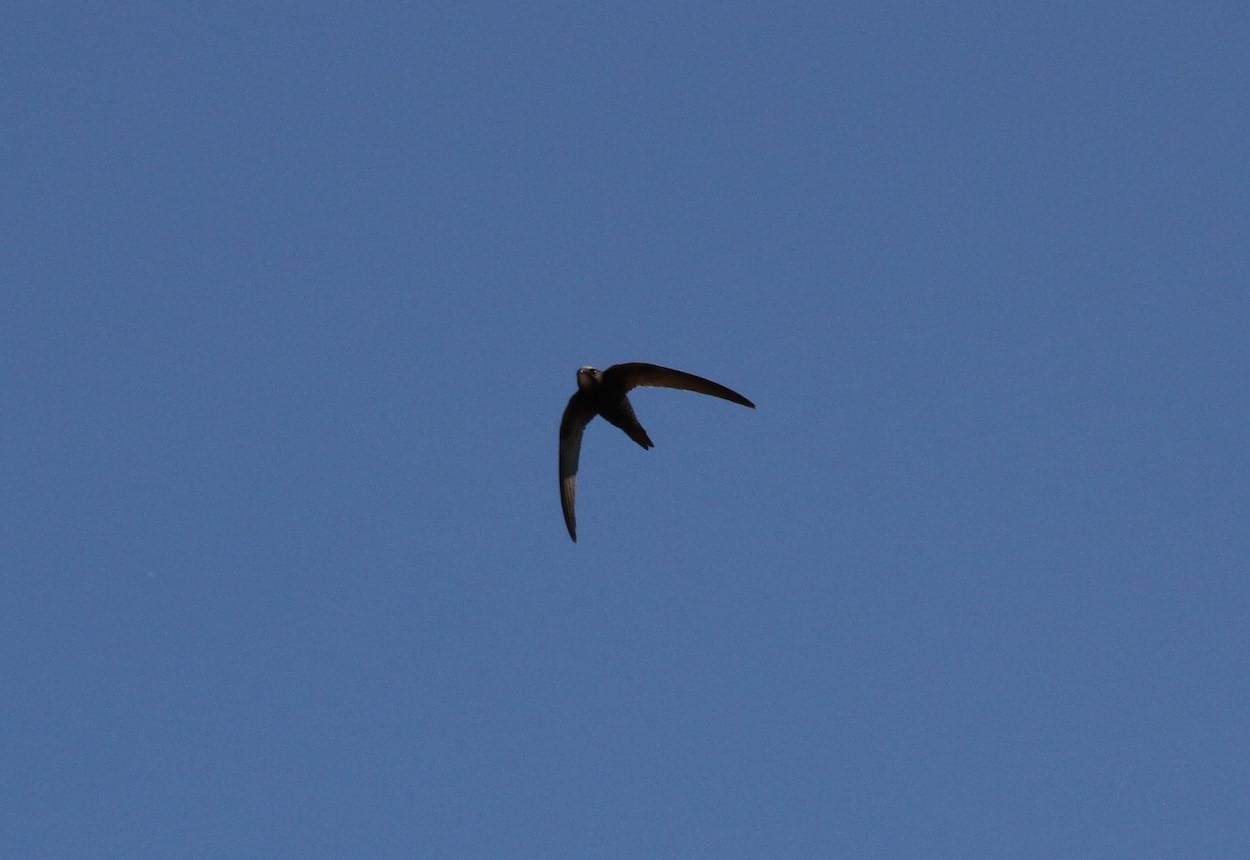
Last Month I asked the question. Where have all the swallows gone? Judging from the filming of Springwatch there are plenty in Ireland, but locally there are very few. When I look back on my time at the Primary School, we had a pair next in the Pottery Kiln room for several years. We couldn’t fire the kiln for a few weeks, but the swallows were brilliant to see close up. There were always swallows nests under the Dixon Houses roofs, and generally all our farms had them in their barns. The change to arable farming hasn’t helped, as there are no longer cow pats in the fields and relatively few insects. So no longer a food source for the birds. A similar story exists for house martins. There are a few pairs about but nothing like the numbers we saw even 25 years ago. I’ve also been aware that are swift numbers are down dramatically, and my highest count to date three birds around Woodfields in Christleton, and up to four on a site on Brown Heath Road.
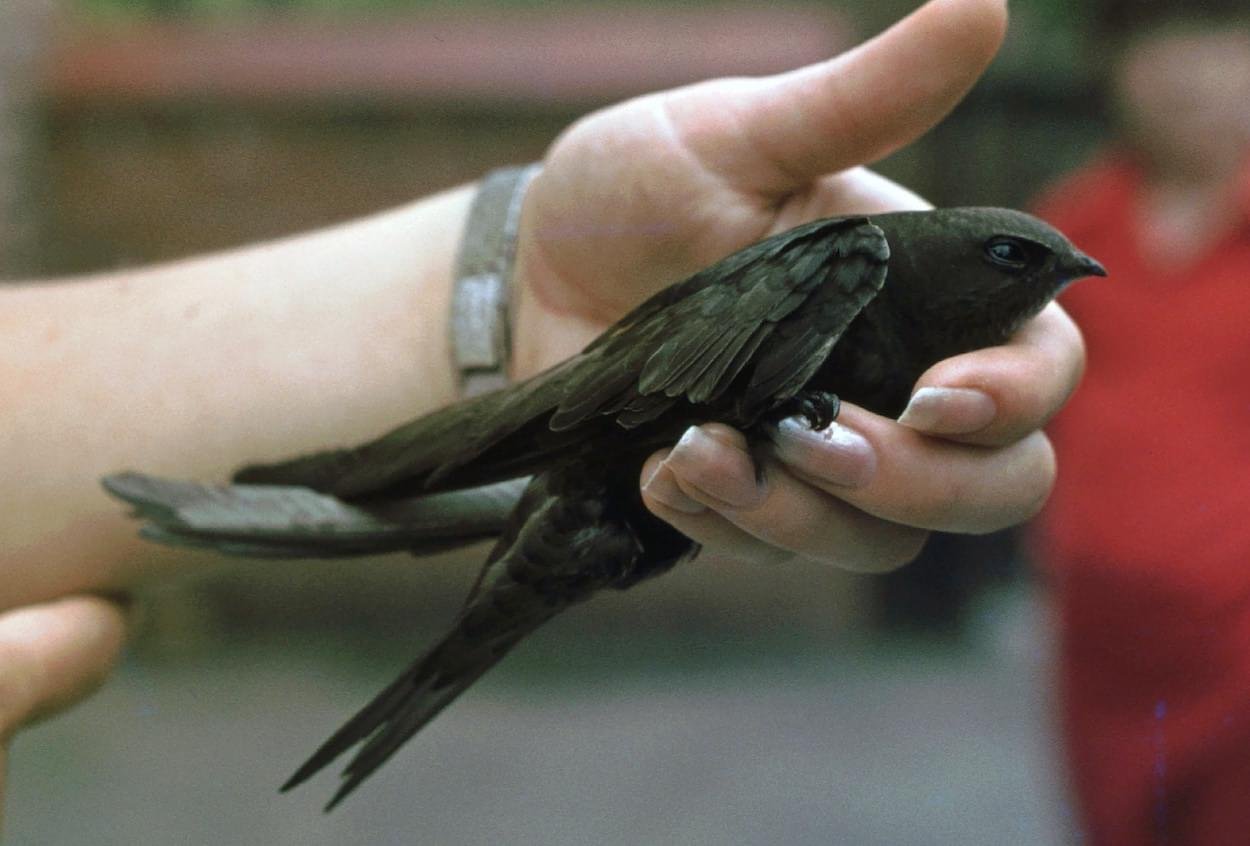
A pair screamed overhead as we visited a house in the centre of the village in mid- May, to show they had returned, but the days when flights of them flew around the Primary School field and Village have long gone. The photographs reflect some of their history in the village. Swifts are notoriously difficult to photograph, and the picture of a swift in a young ladies hand was of one mature bird that flew into a dormitory at the Burwardsley Outdoor Centre, missing its route into the old school roof by a few inches.
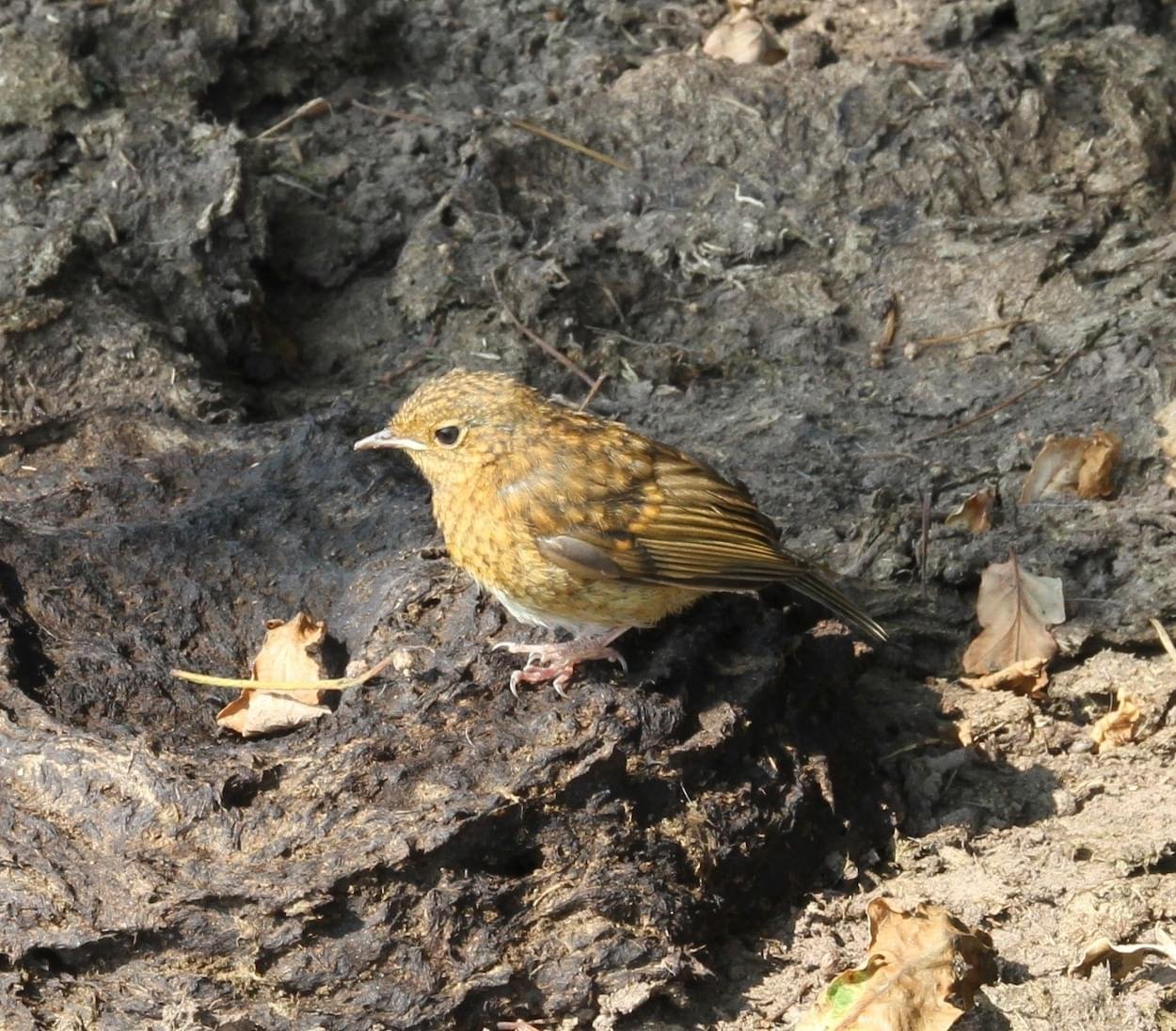
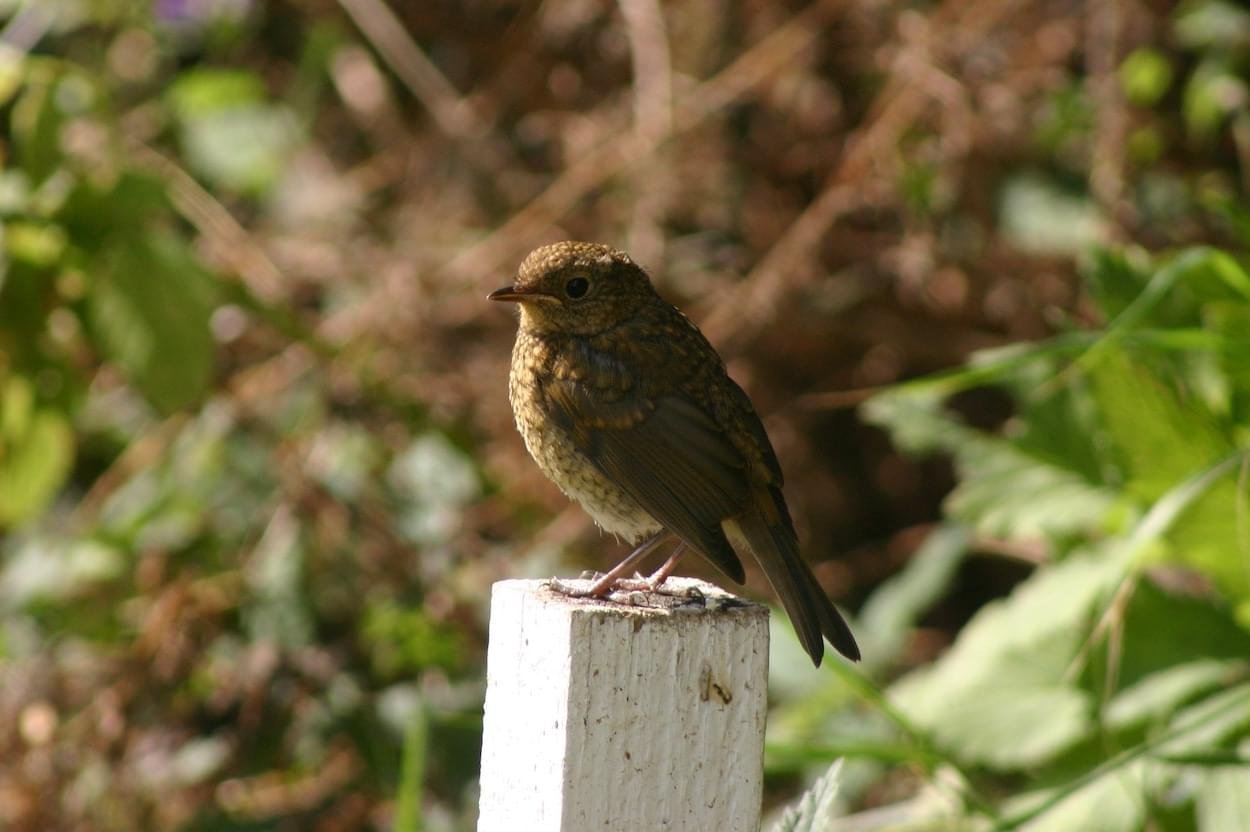
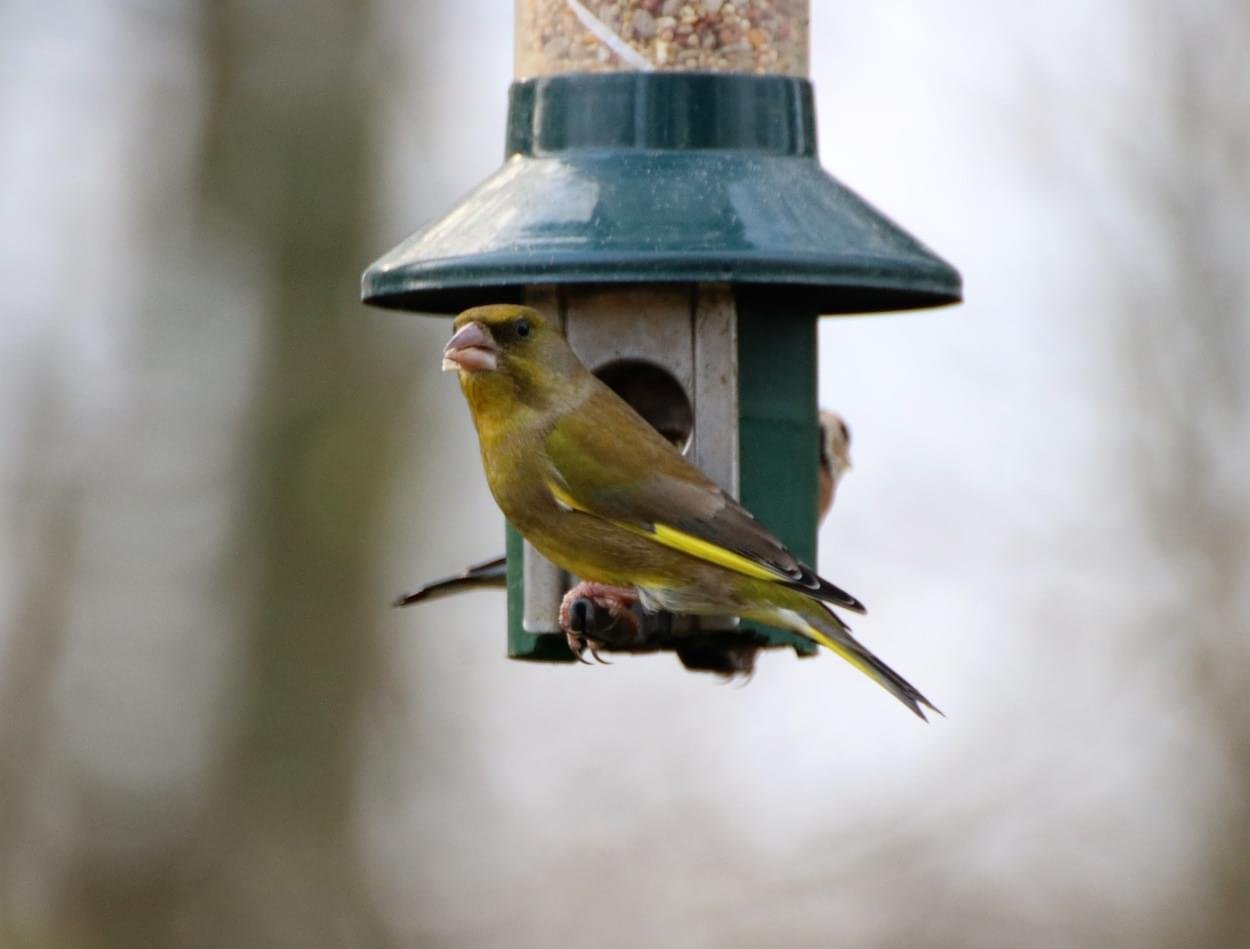
Baby birds are everywhere, and we’ve had the best numbers we’ve ever seen in our garden. Robins, hedge sparrows, house sparrows, starlings, blue tits, great tits and even greenfinch have been present. Some days I could count 12 great tits and a further 8 blue tits feeding on our feeders. I can’t work out how many house sparrows as there are probably over 20 in the garden.
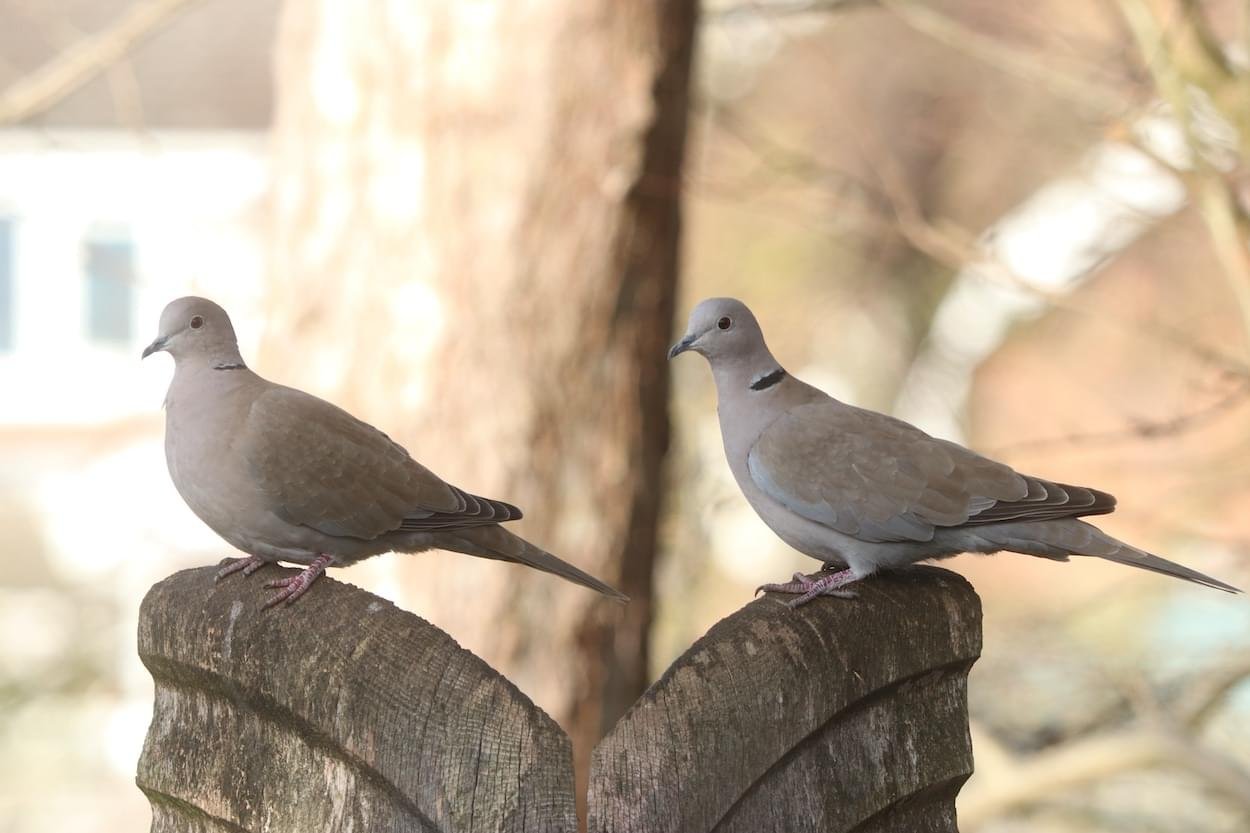
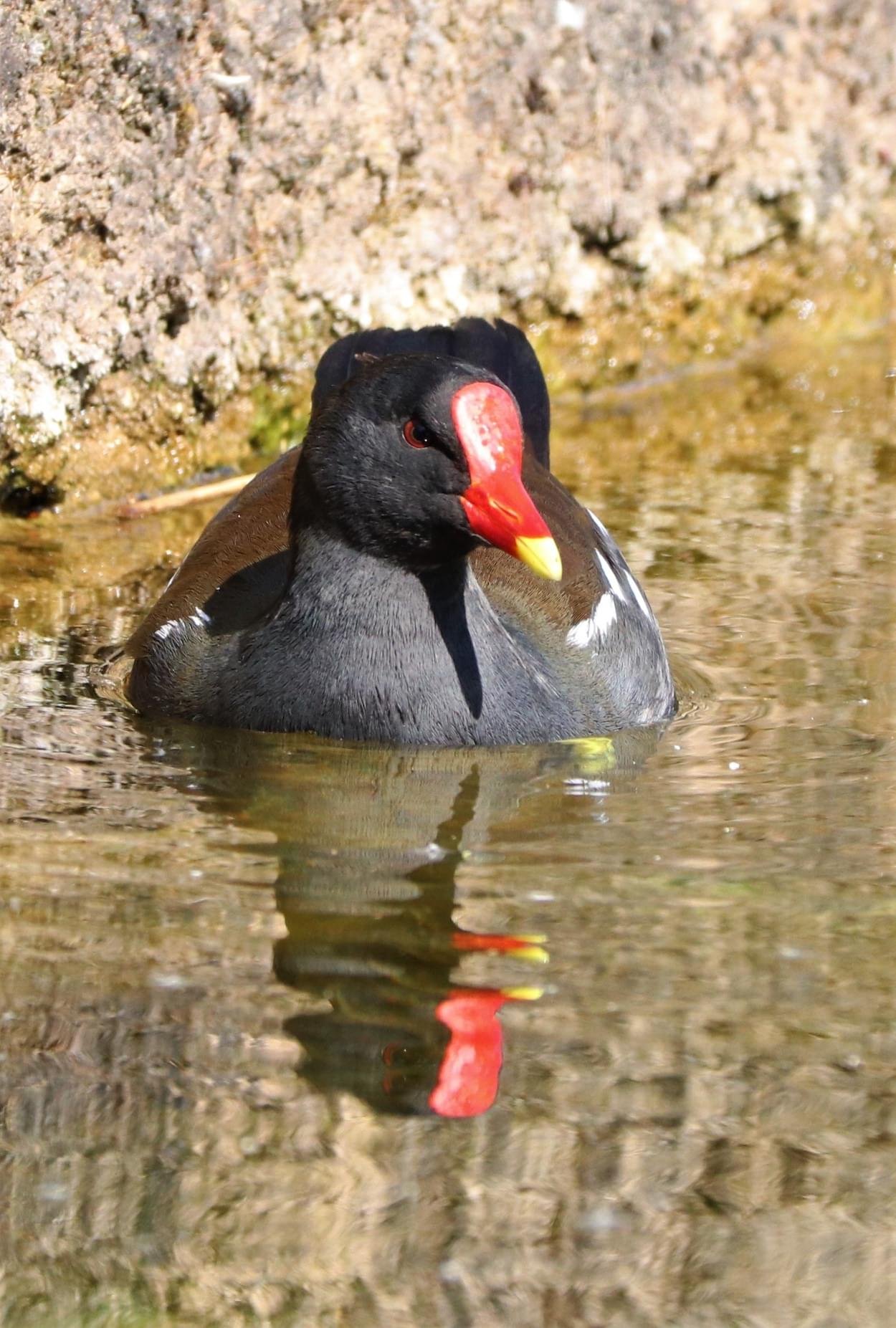
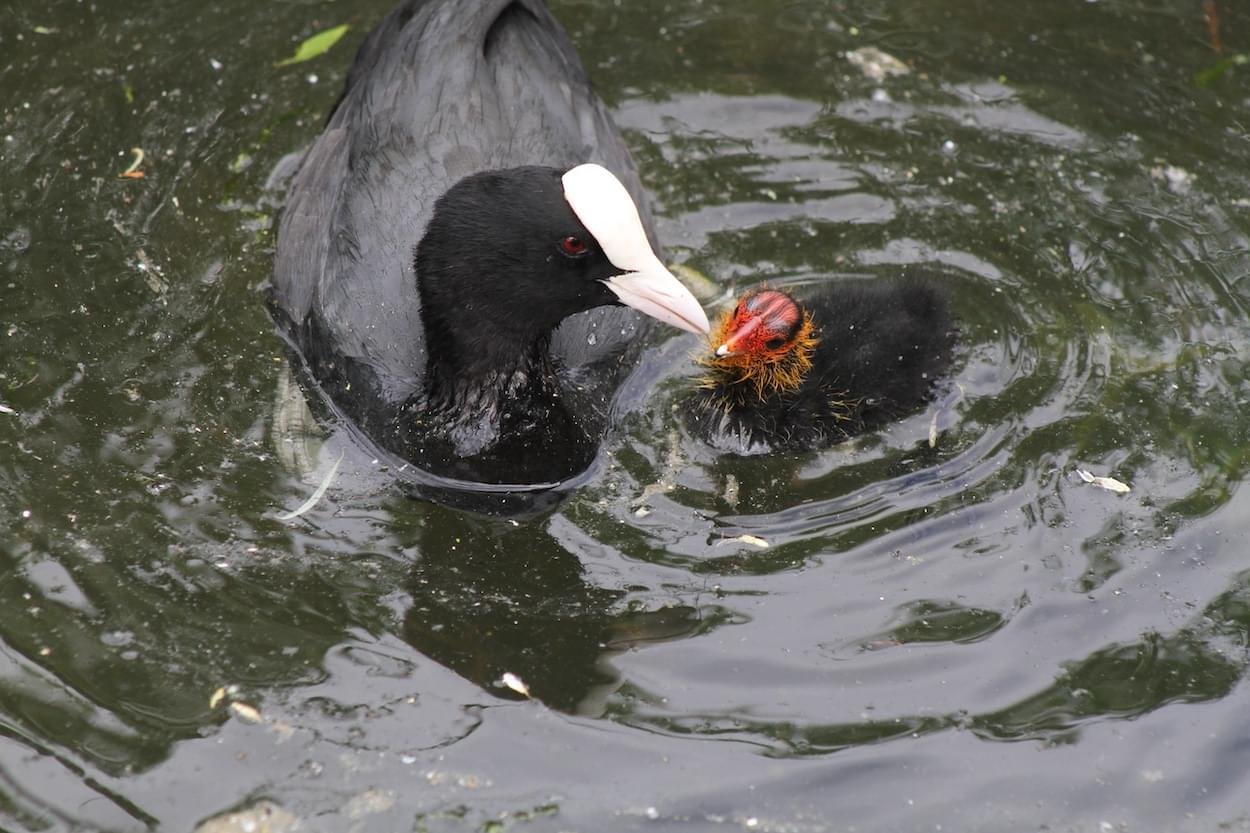
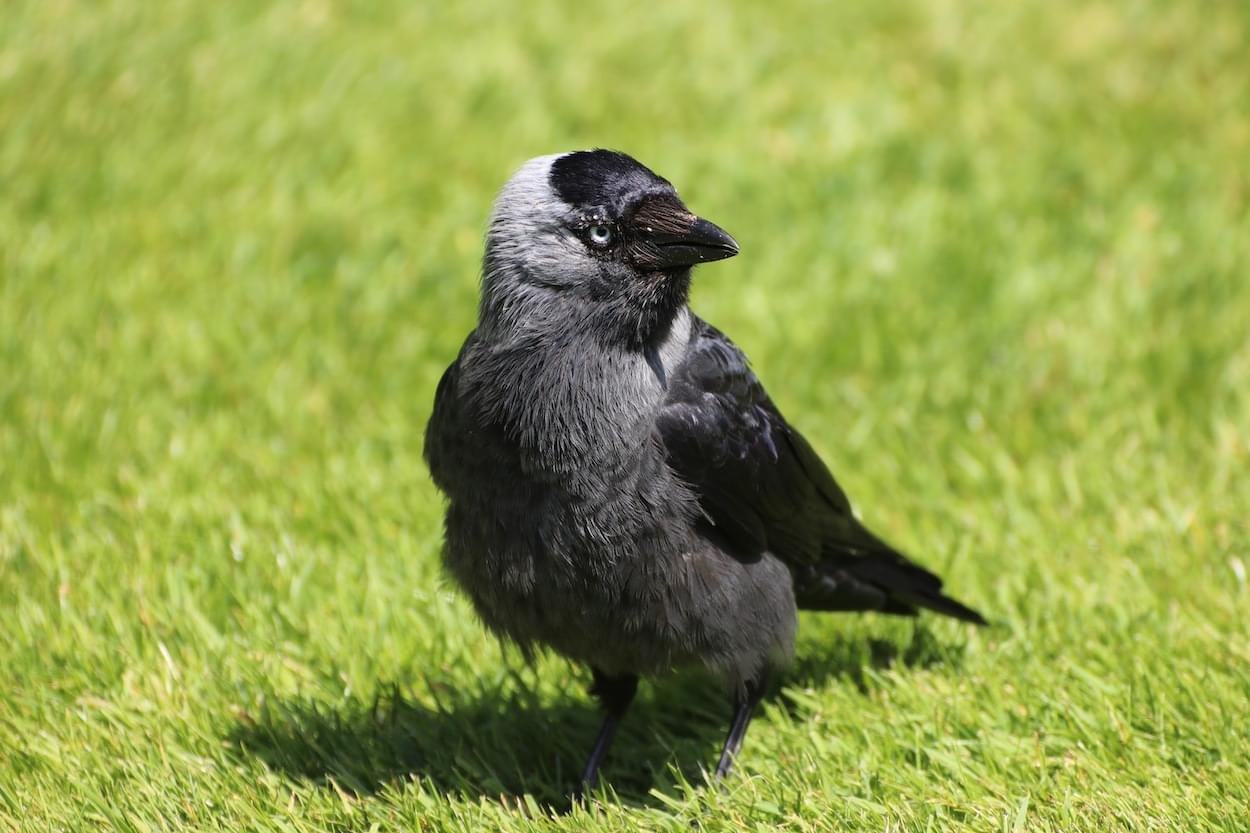
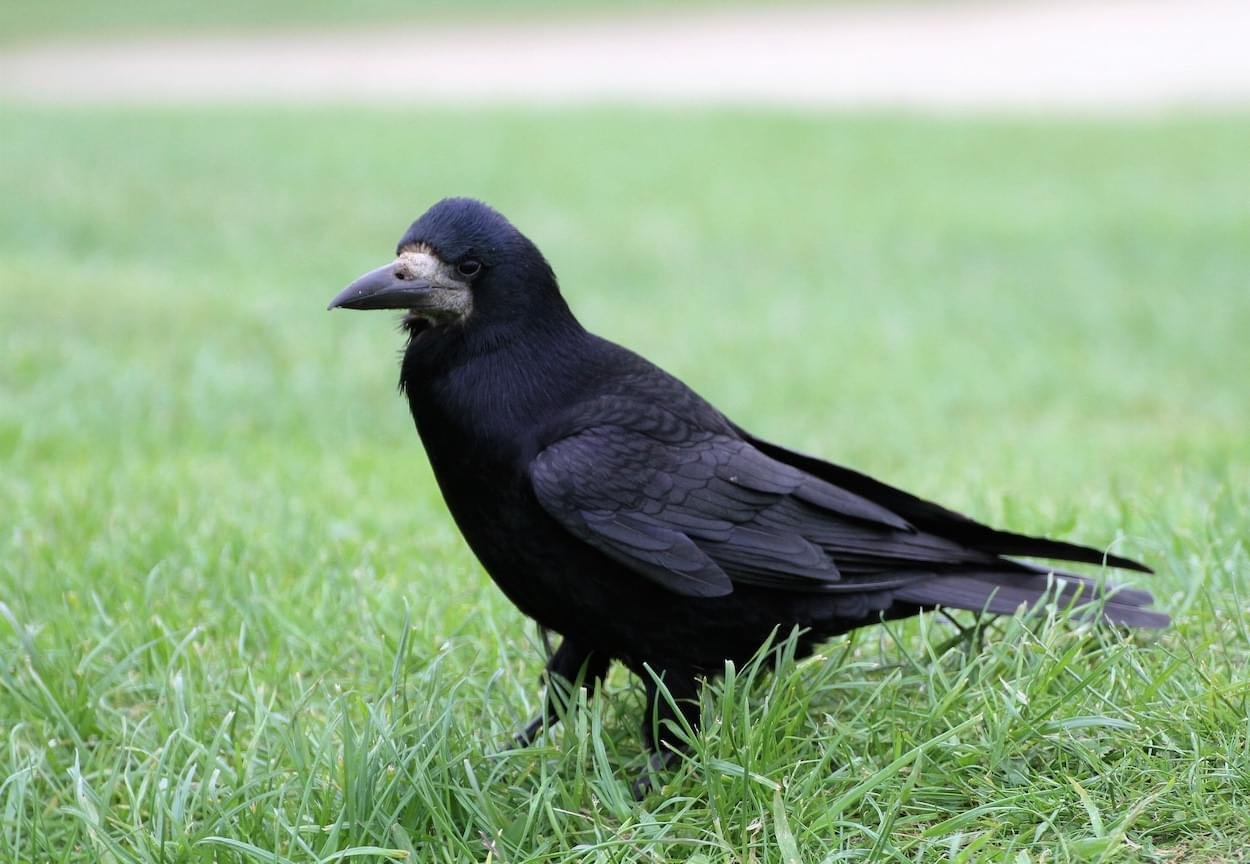
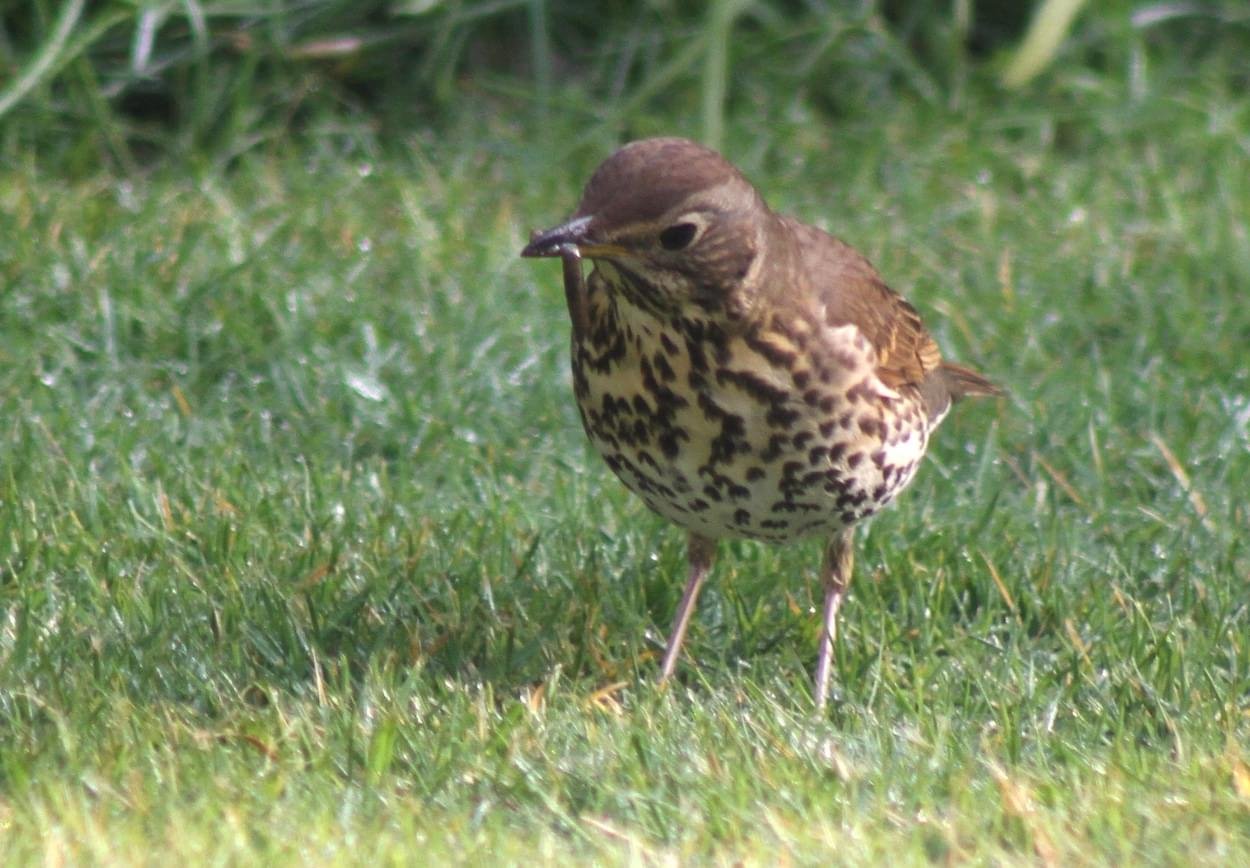
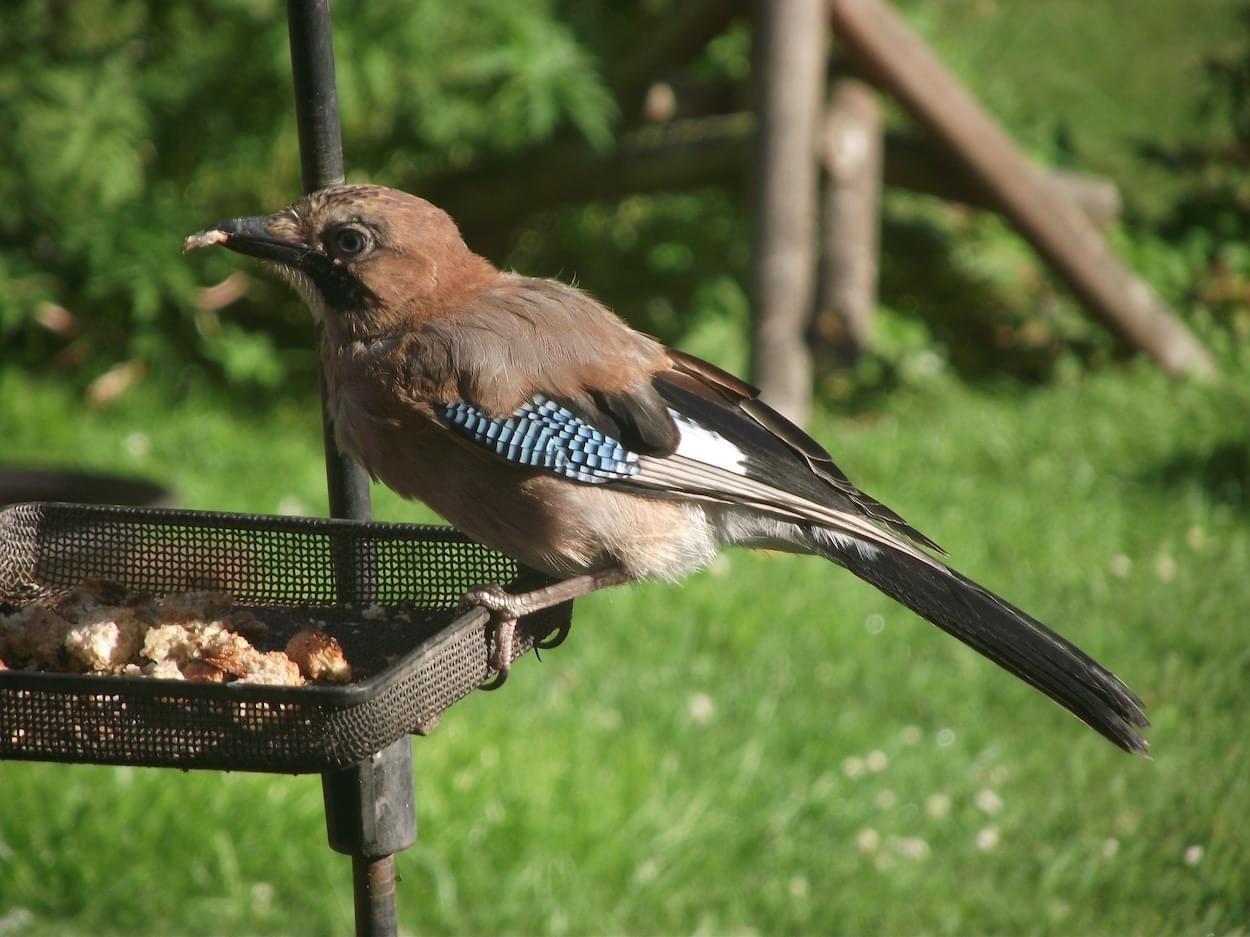
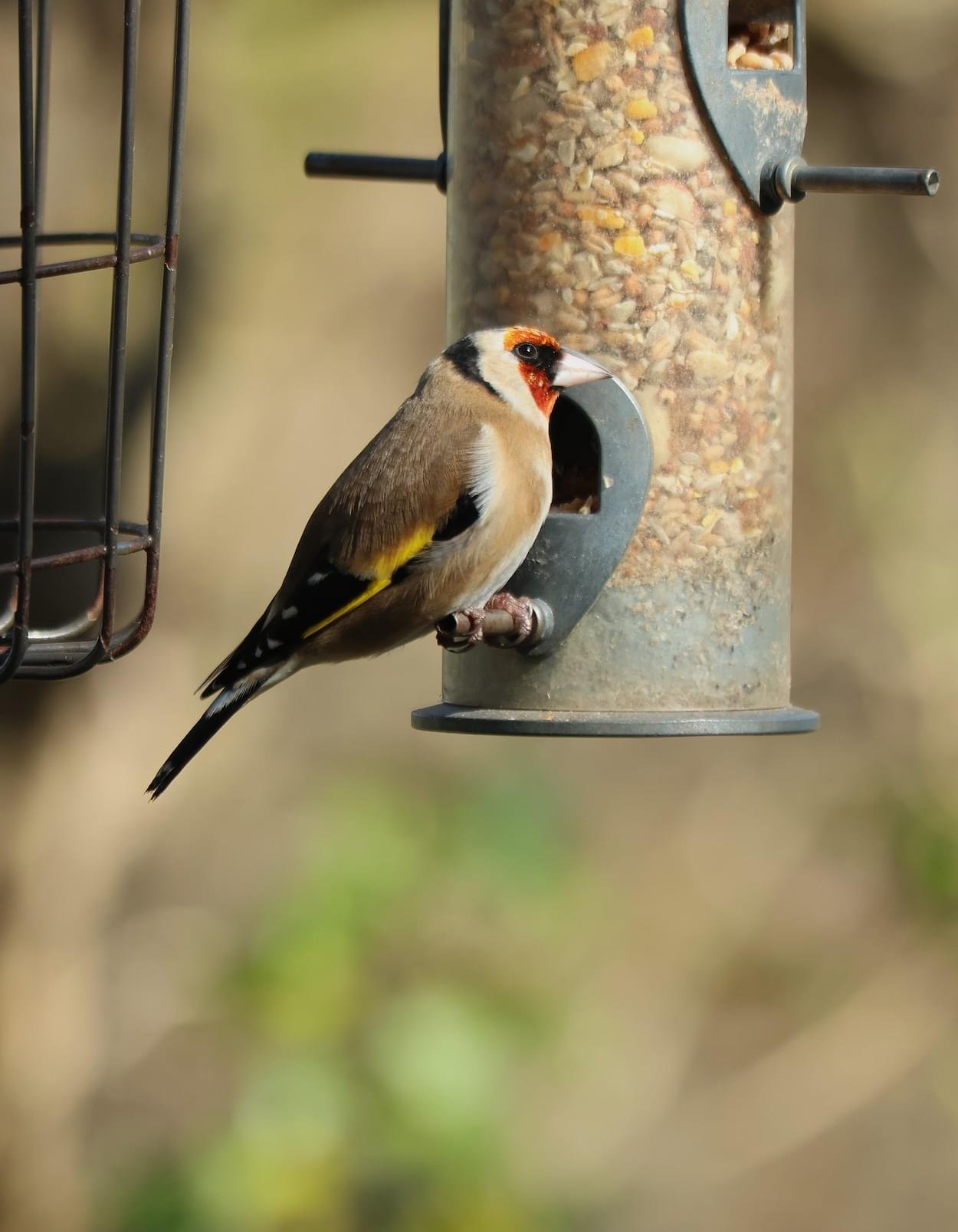
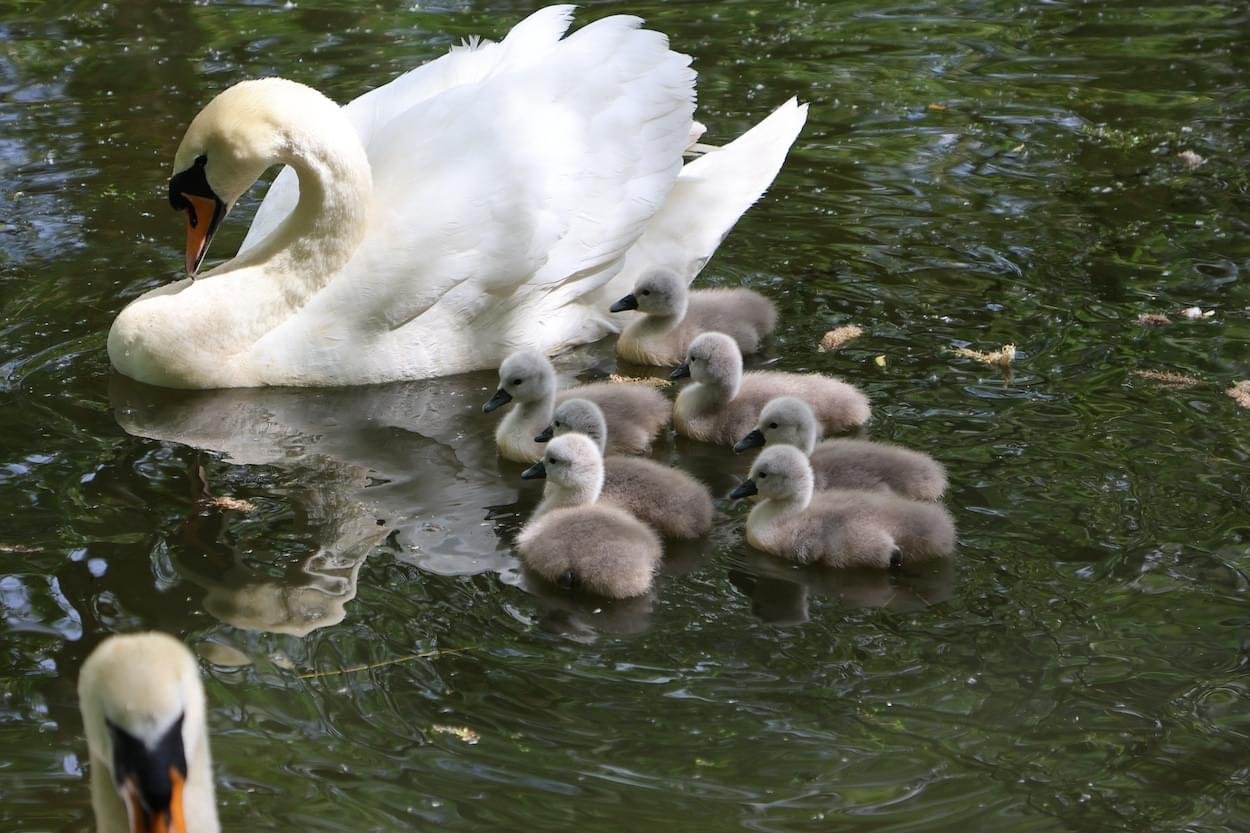
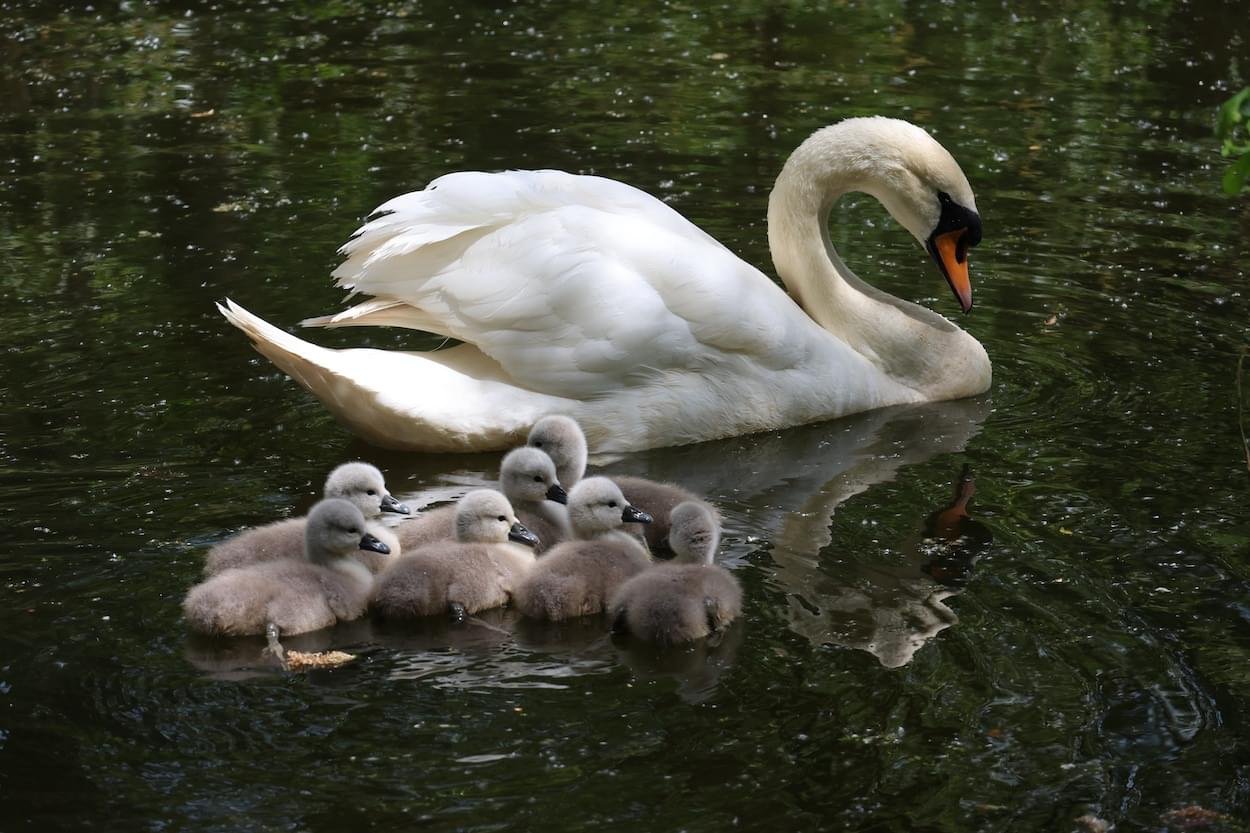
A collared dove pair appear regularly and there are sometimes a dozen or so near Walk Mill Farm. The usual pair of swans at the hidden lake beyond Walk Mill have had seven cygnets, and as I write, the pair on the canal between Christleton and Waverton still have three cygnets in tow. Baby birds seen include both coots and moorhens, and among the birds seen regularly through the parish this month are, jay, jackdaw, and many rooks. Song thrushes can be heard in and around the village, and several people tell me that they are delighted to see so many goldfinches about.
Brian Macklin rows the channel in the Gym. 11th -13th May
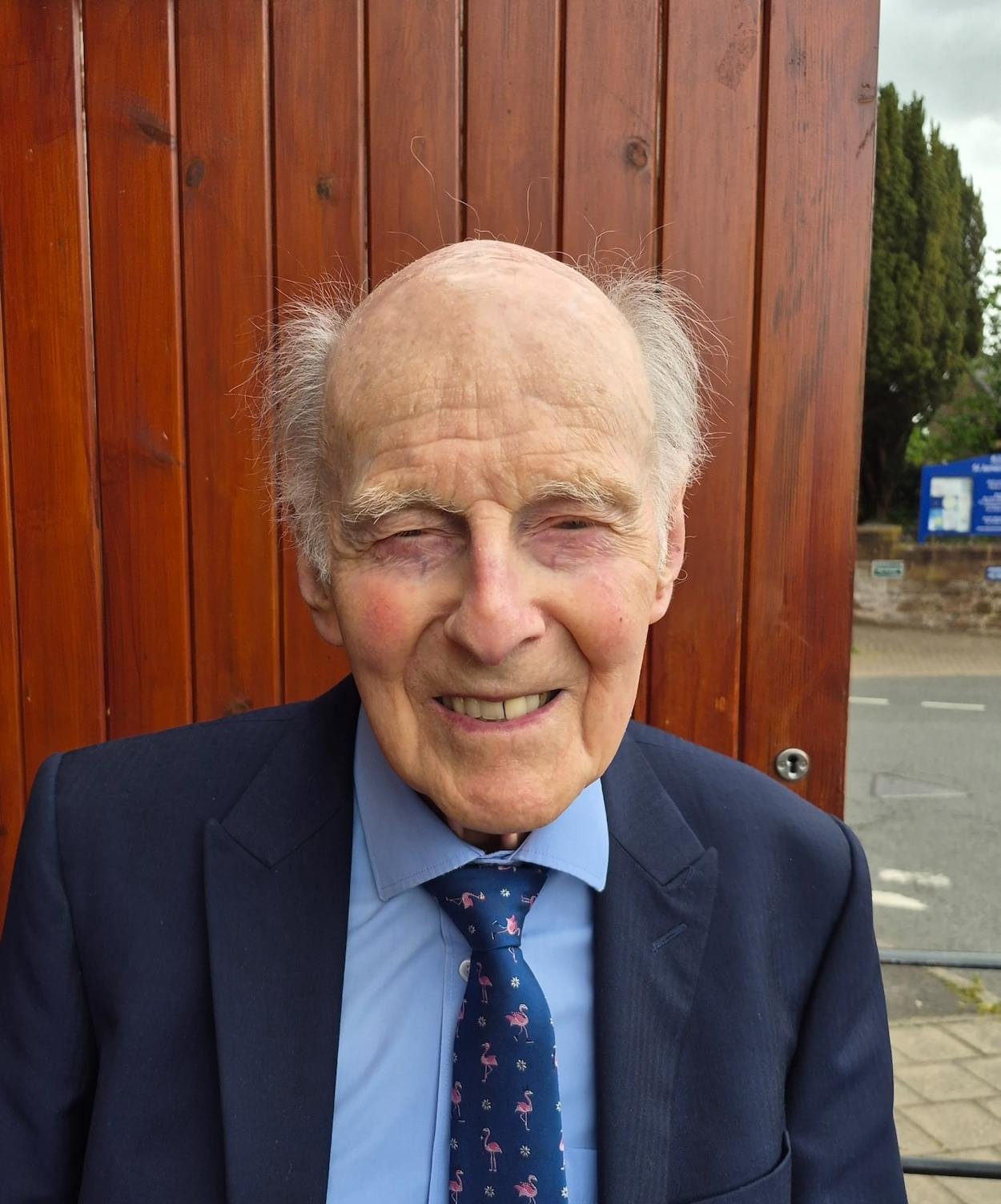
Brian, now aged 92, is a member of a well- known village family, a member of the congregation at St James’ Christleton, and a good friend, has raised an amazing amount for the Hospice of the Good Shepherd. At the time of writing this was over £2,770. He achieved this challenge in early May, rowing the equivalent of the English Channel in five sessions, a total of 21 miles at 4 mph. Brian has always been an active sportsman, and an enthusiast for keeping fit. His latest challenge is truly impressive, but he has run, 10k’s, half marathons, and even the London Marathon in the past. He was 69 at the time.!! The latter also to raise money for the Hospice. Congratulations Brian on your great achievement, from your friends in Christleton.
-

Swallow
-

Baby Swallows at Christleton Primary School
-

Baby Swallows in a Barn
-

House Martin Nest
-

House Martin
-

Swift in Flight
-

Swift caught in the hand
-

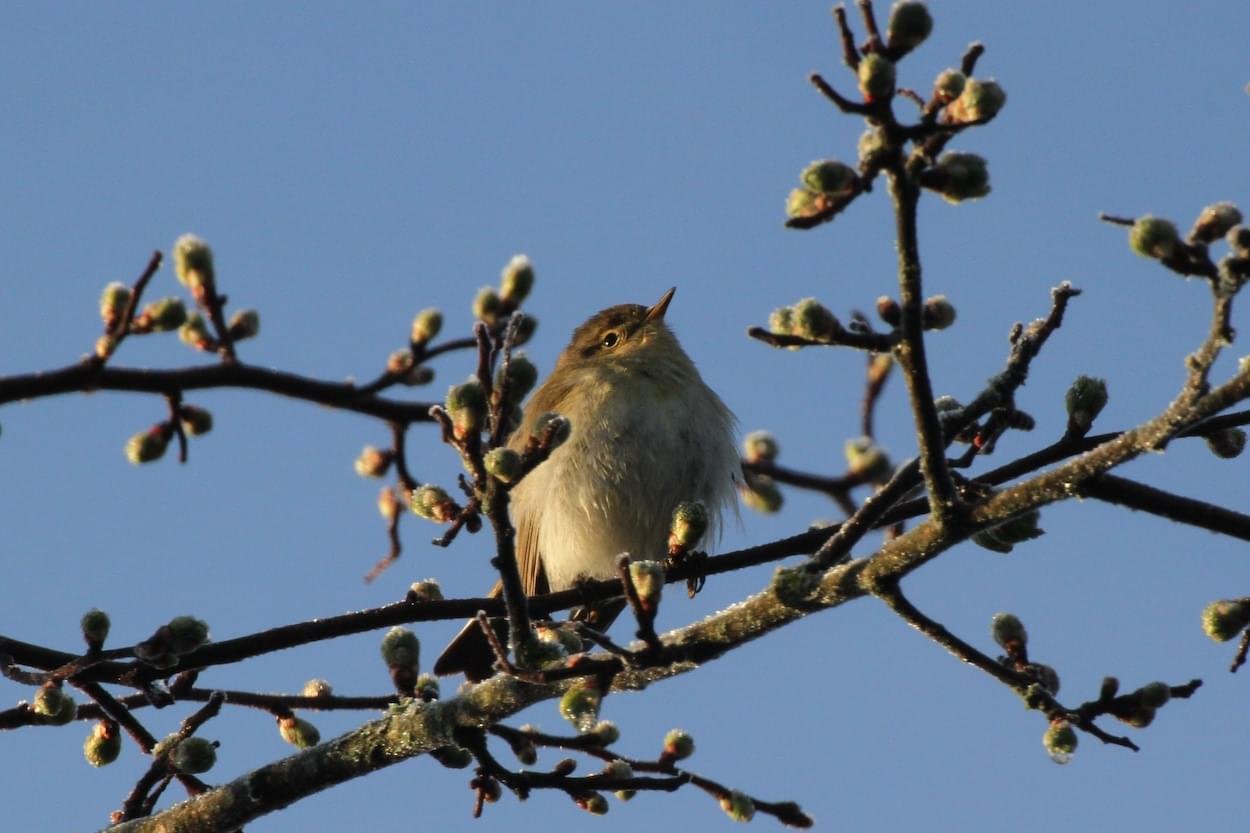
Chiff Chaff
-

Baby Robin at Rowton
-

Baby Robin
-

Pair of Collared Doves
-

Moorhen
-

Coot and young
-

Jackdaw
-

Rook
-

Swans nest at Egg Bridge Waverton
-

Jay
-

Greenfinch
-

Goldfinch
-

Walk Mill Swans
-

Swans ay Walk Mill
-

Brian Macklin
-

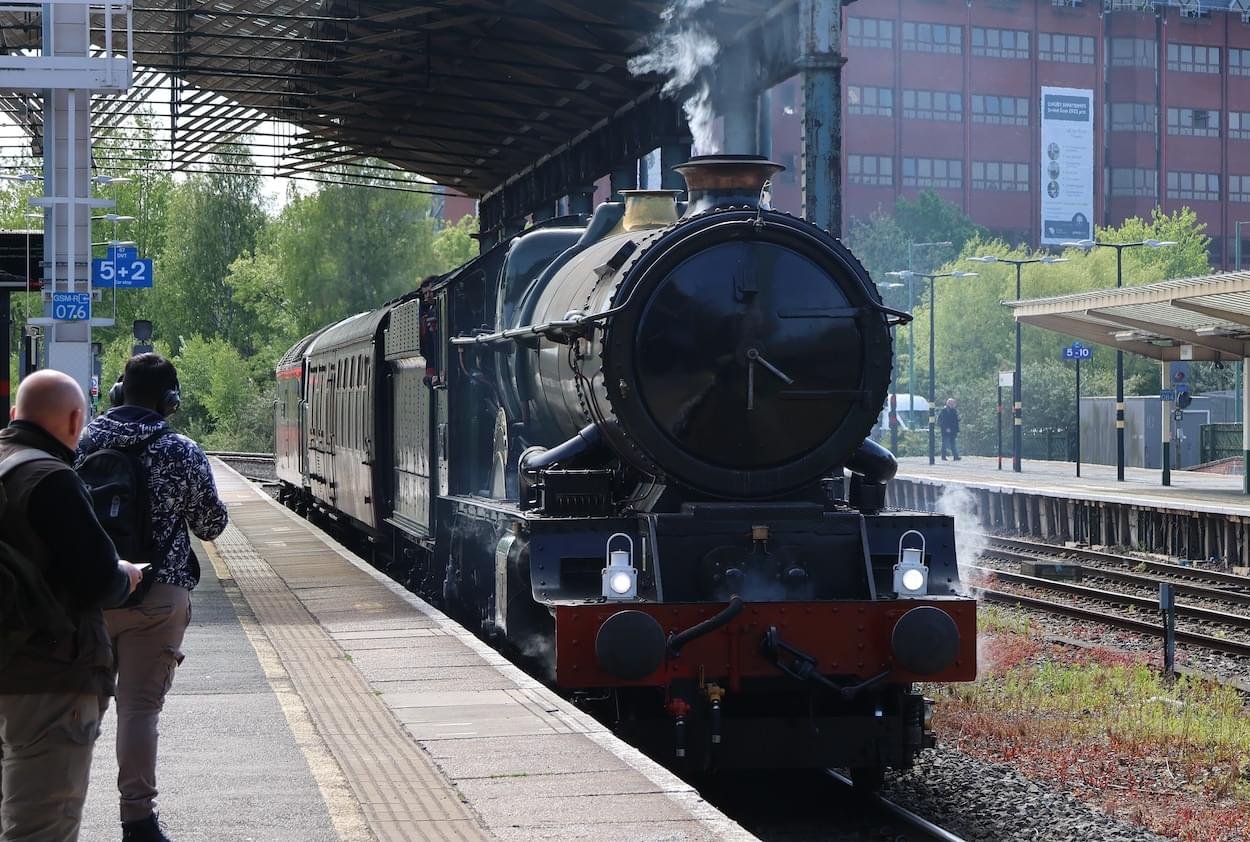
King Edward I Locomotive at Chester Station