When meeting people in the village or church, I’m frequently asked questions like; Why are there no swans at the Pit? Why is the water so low? What’s happening!
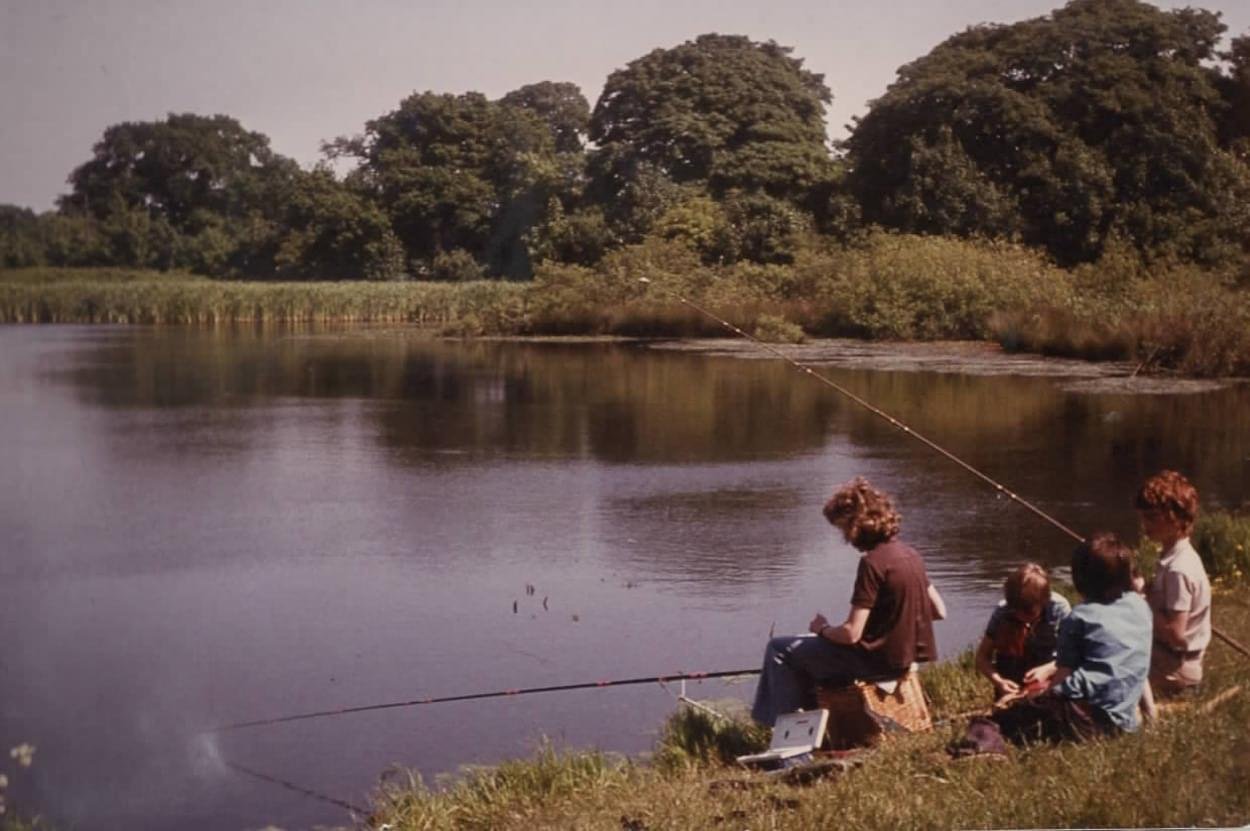
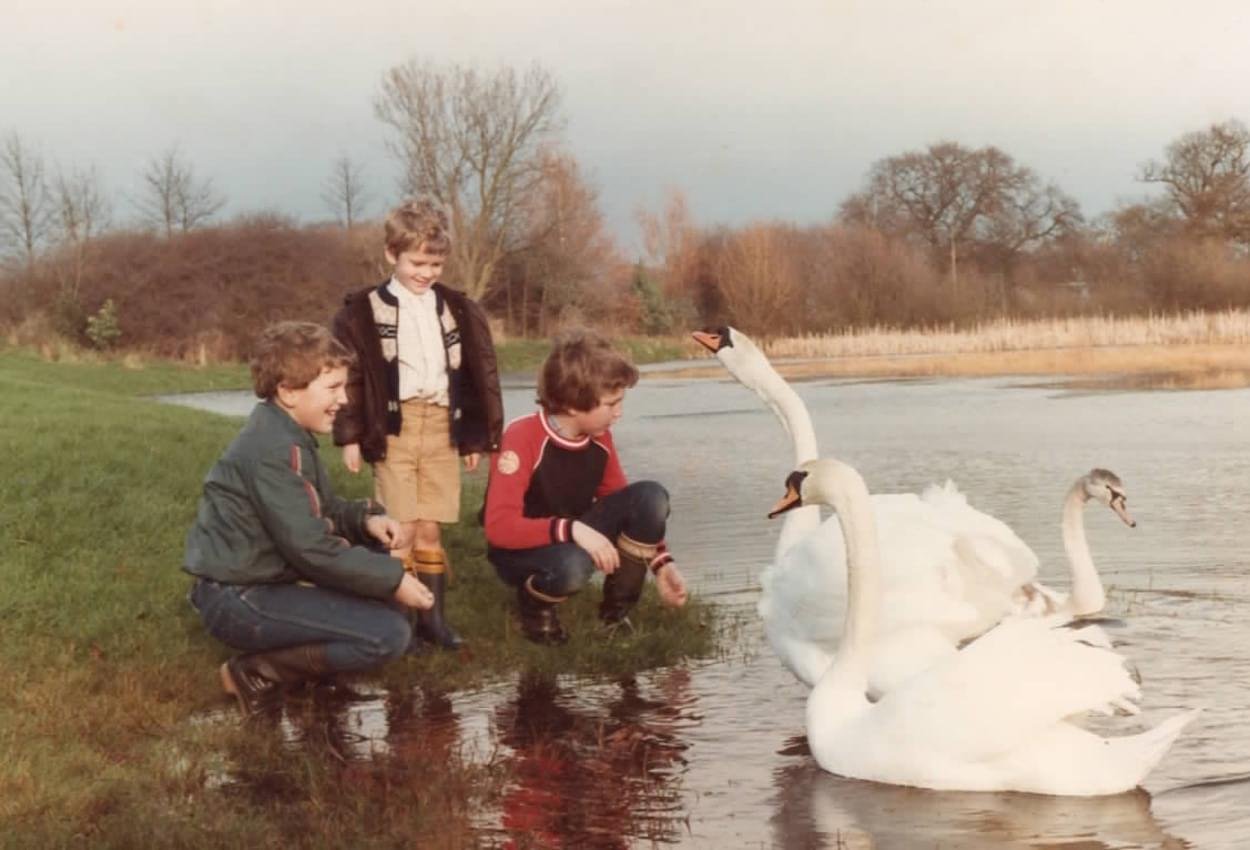
So this month, I thought I’d try to try to answer some of these questions. First of all the Pit itself. It is an old marl pit, or one big one, made up over the years from many smaller pits, which supplied marl and clay for farming and brickmaking respectively. You can see examples of Christleton brick all through the village, mostly hand made, and now quite fragile, as erosion has taken place due to weathering over the two hundred years or so, since they were made in brickworks which would have been close to the Pit. We found evidence of a kiln there in the 1970’s, and the lane alongside is called “Bricky Lane” The scene of the boys fishing is one of my early pictures of the Pit probably taken around 1972, when there was clearly a good supply of water.
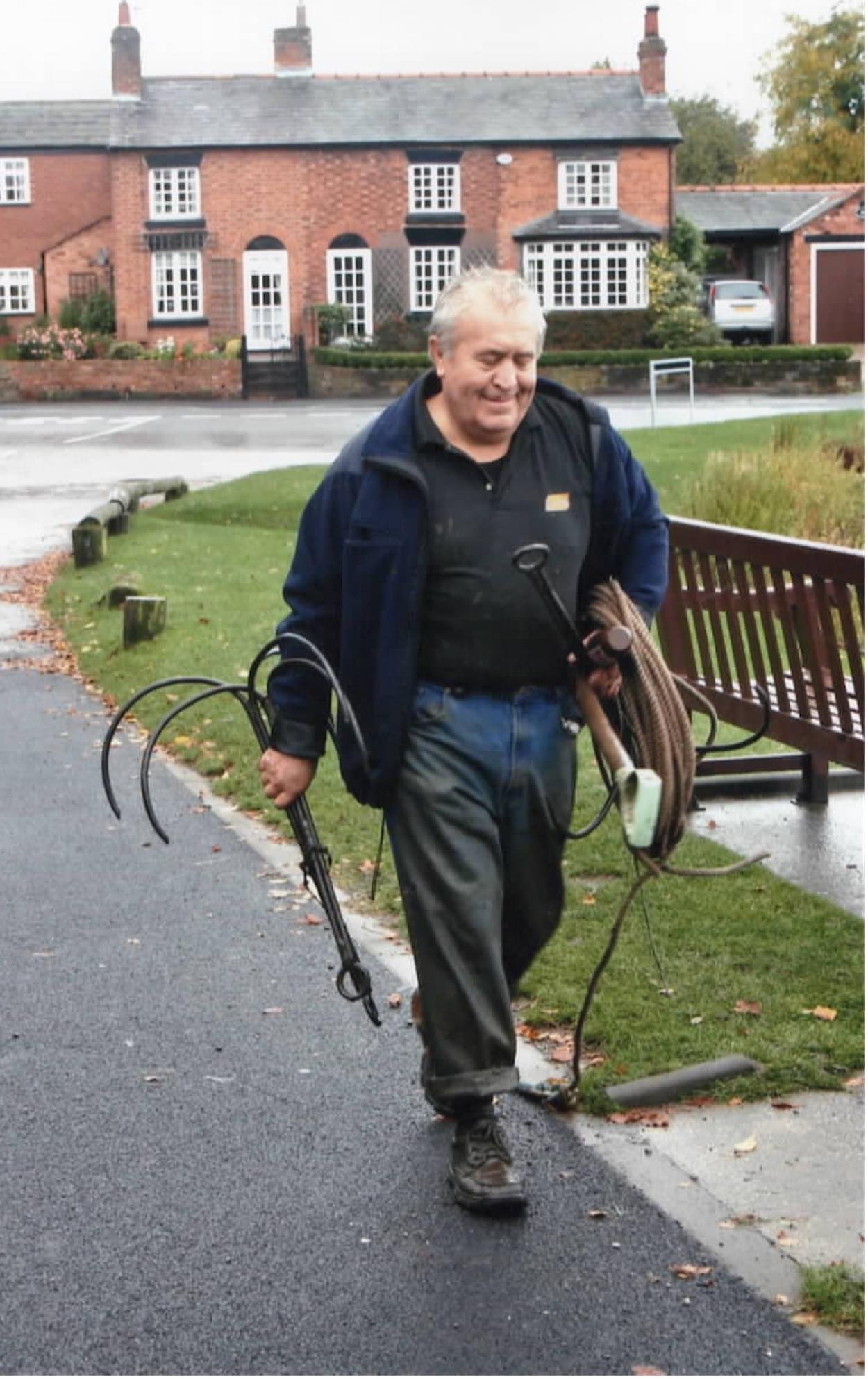
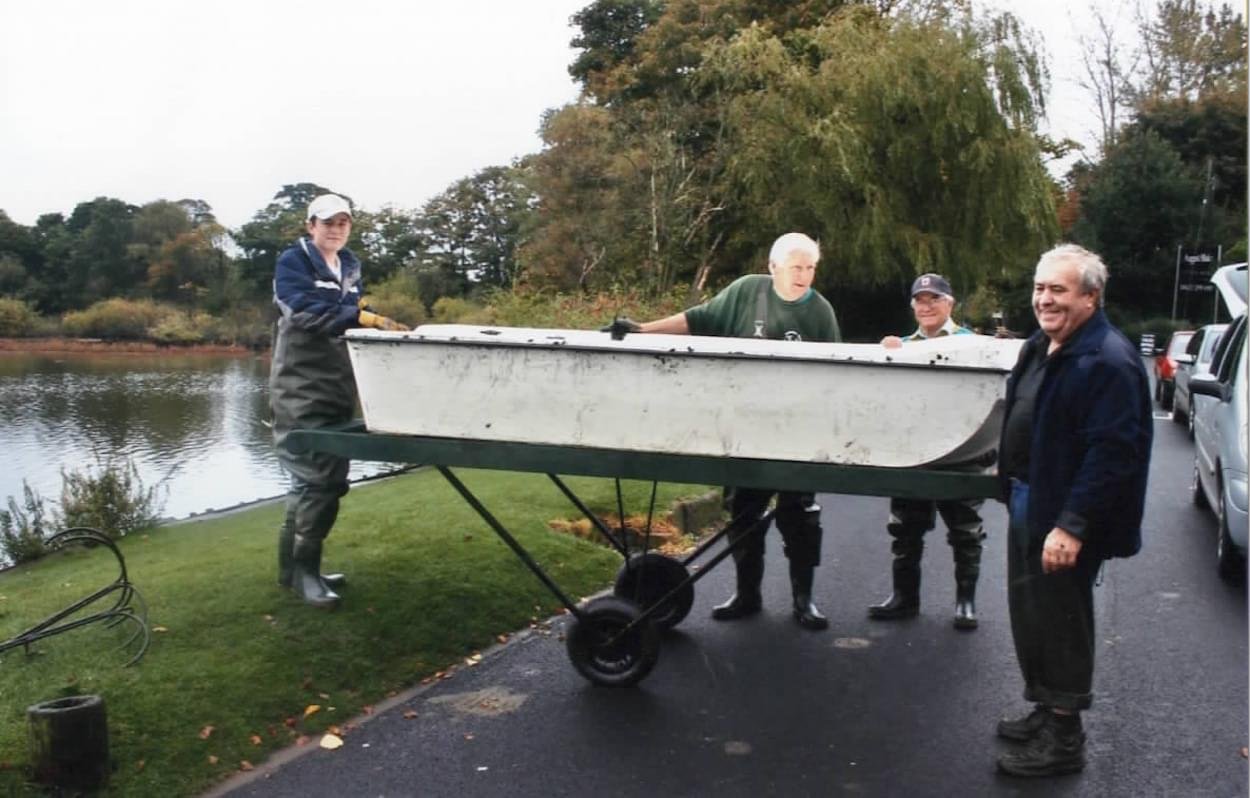
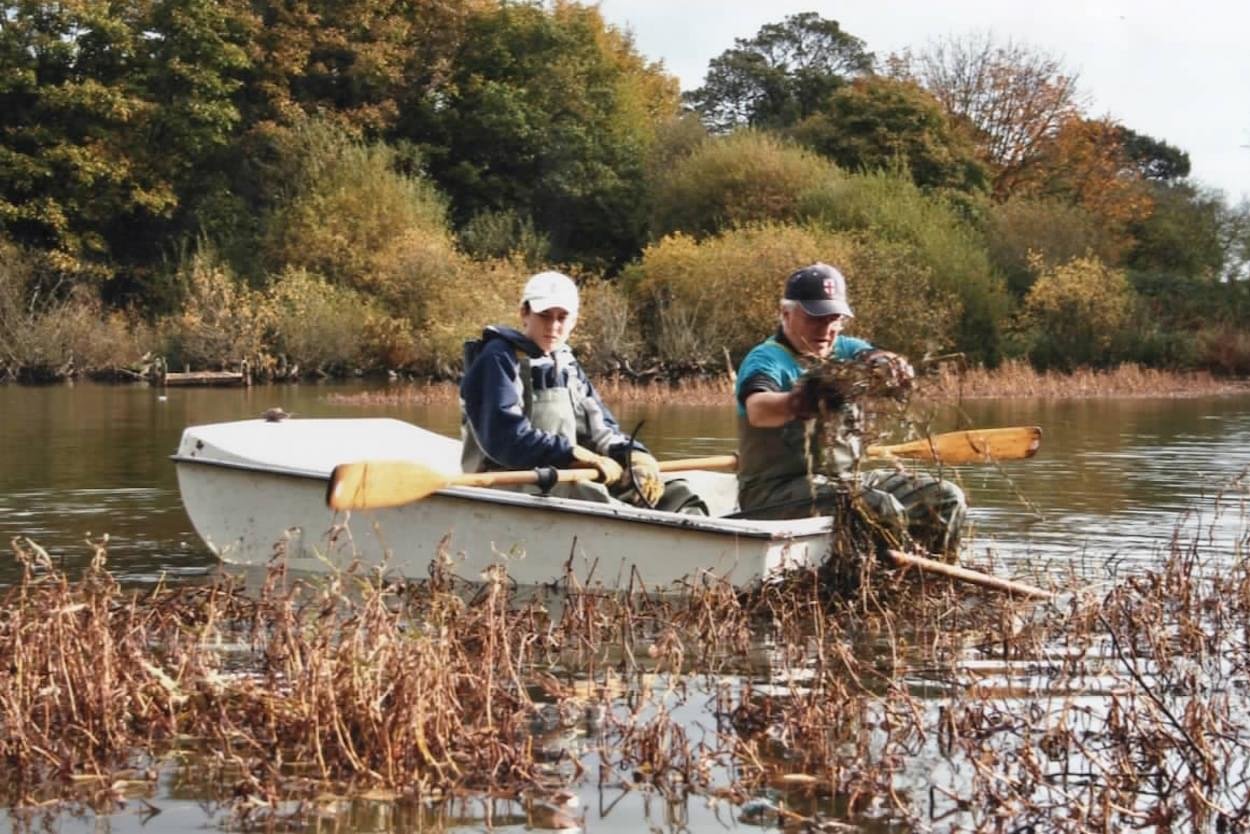
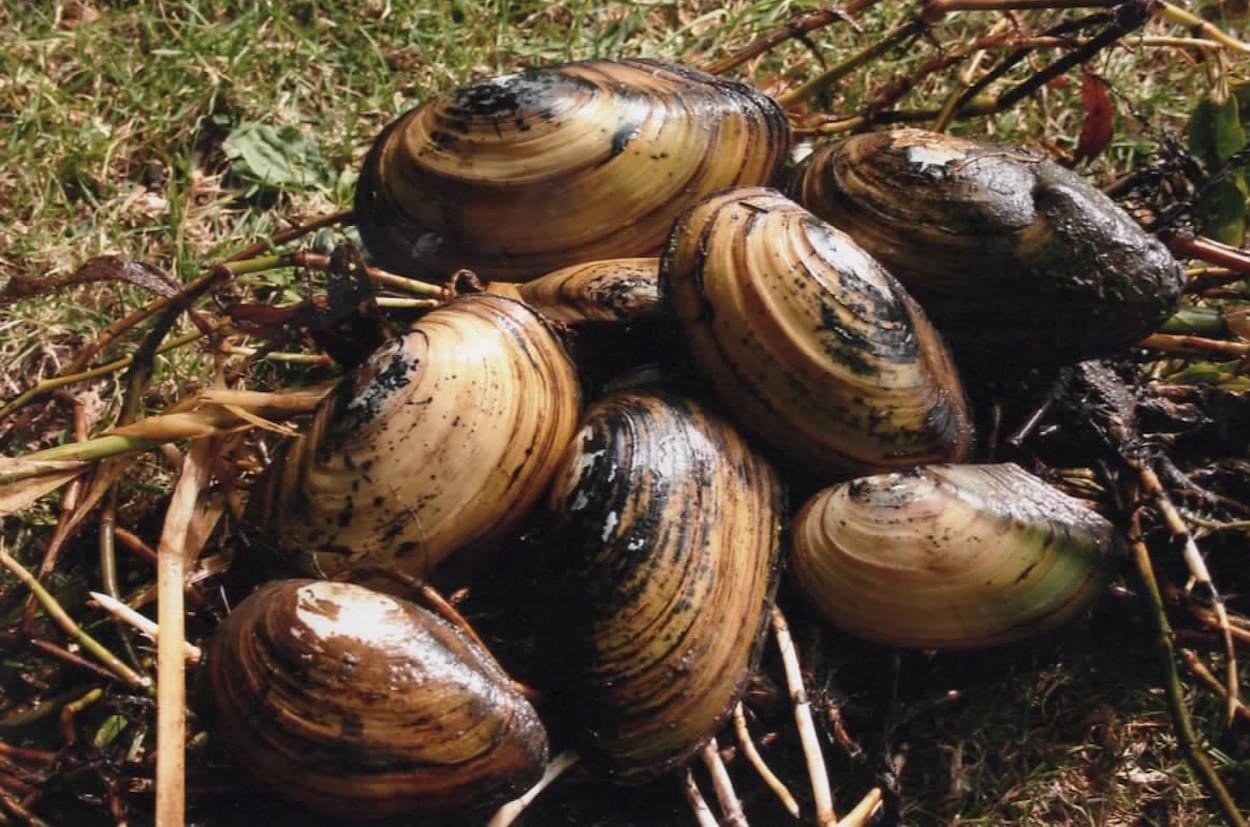
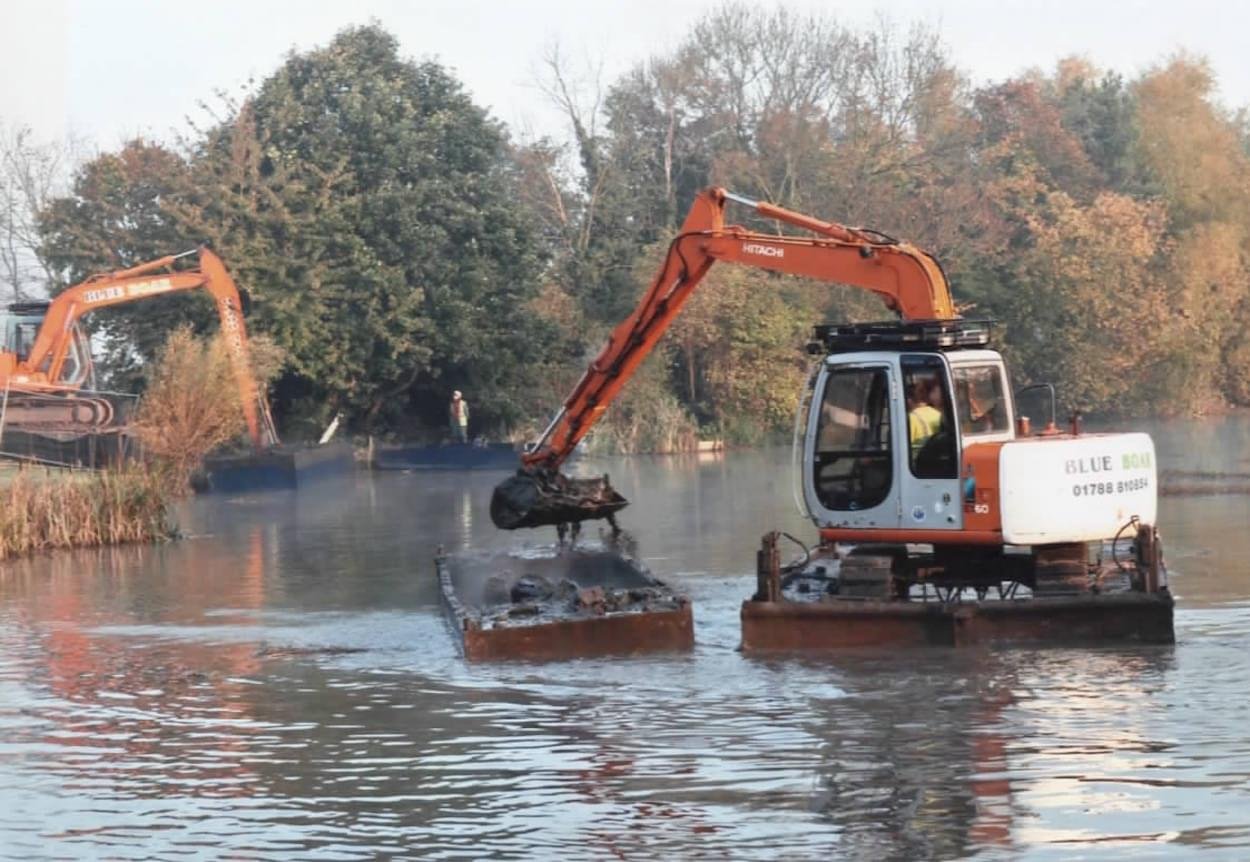
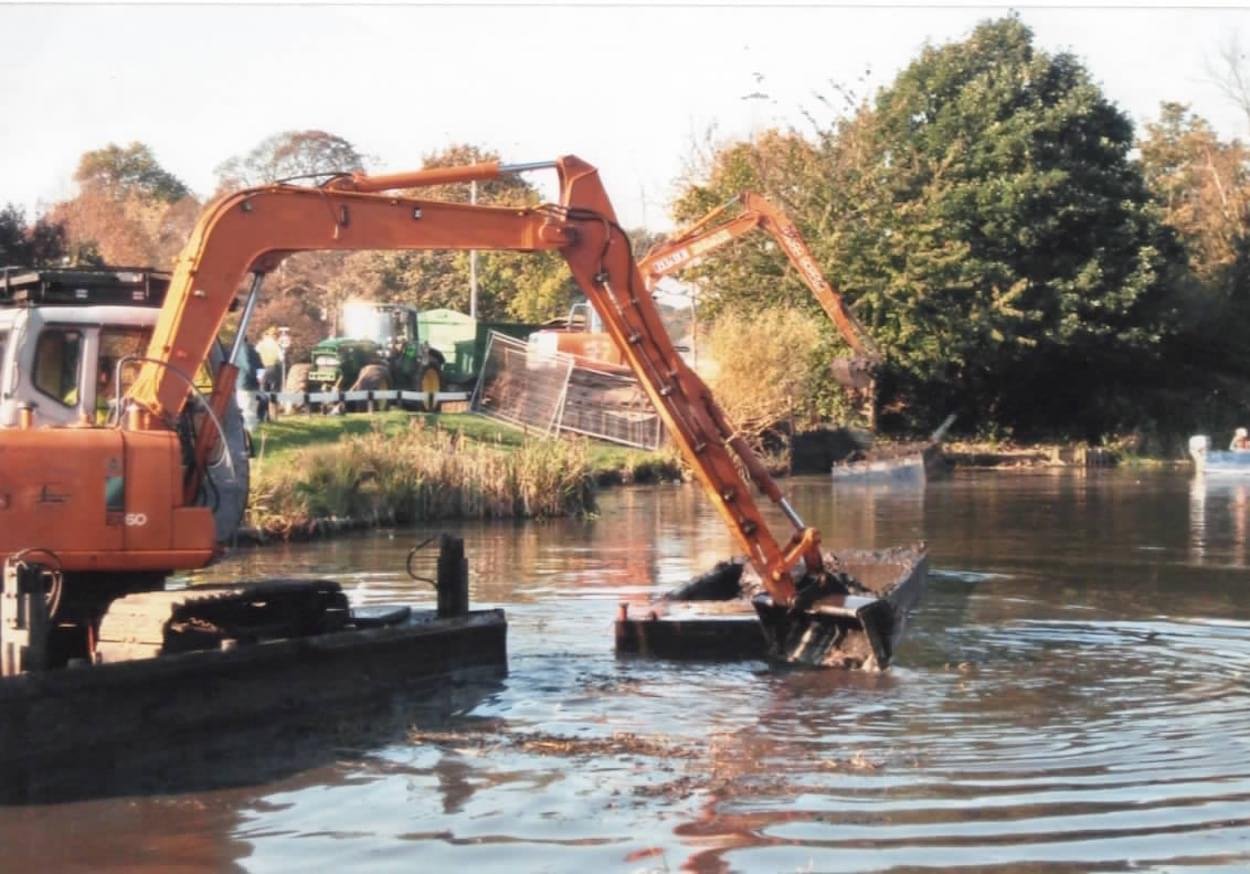
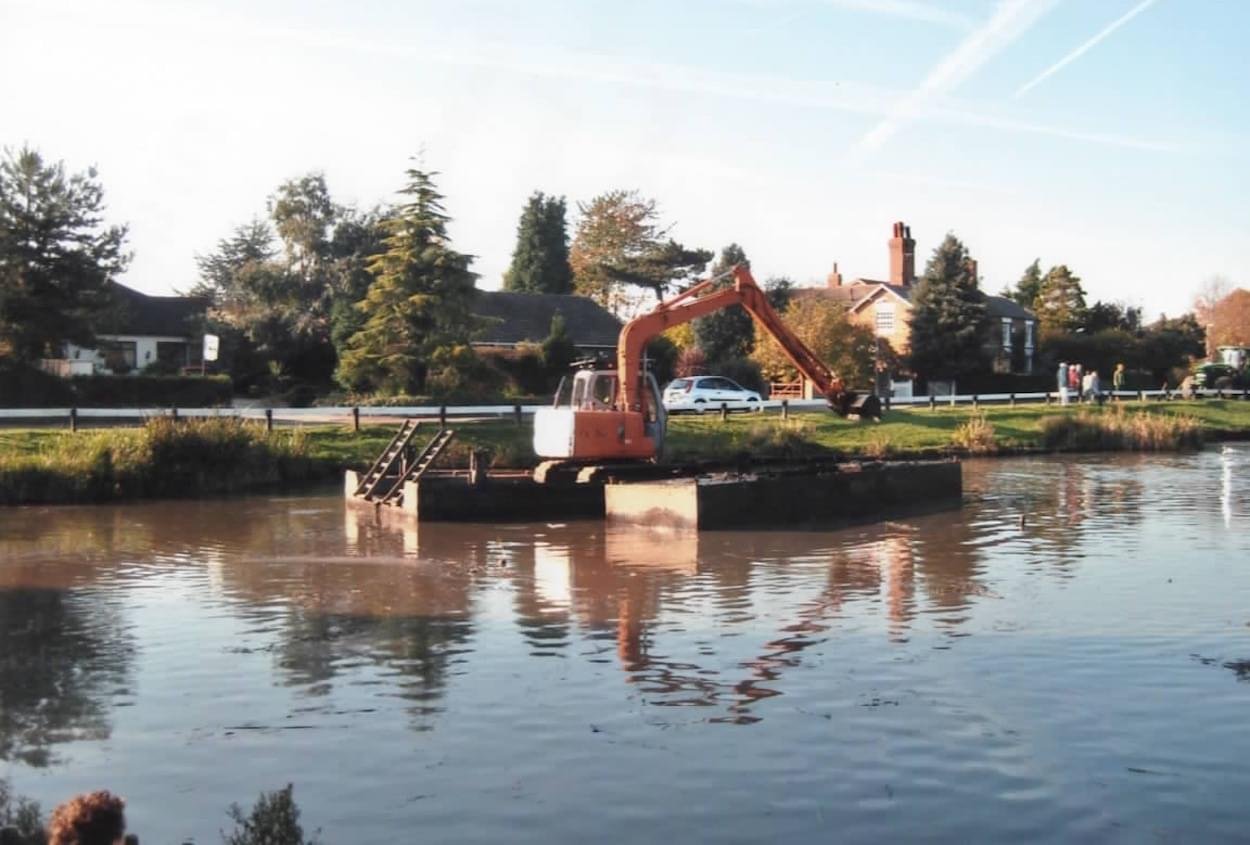
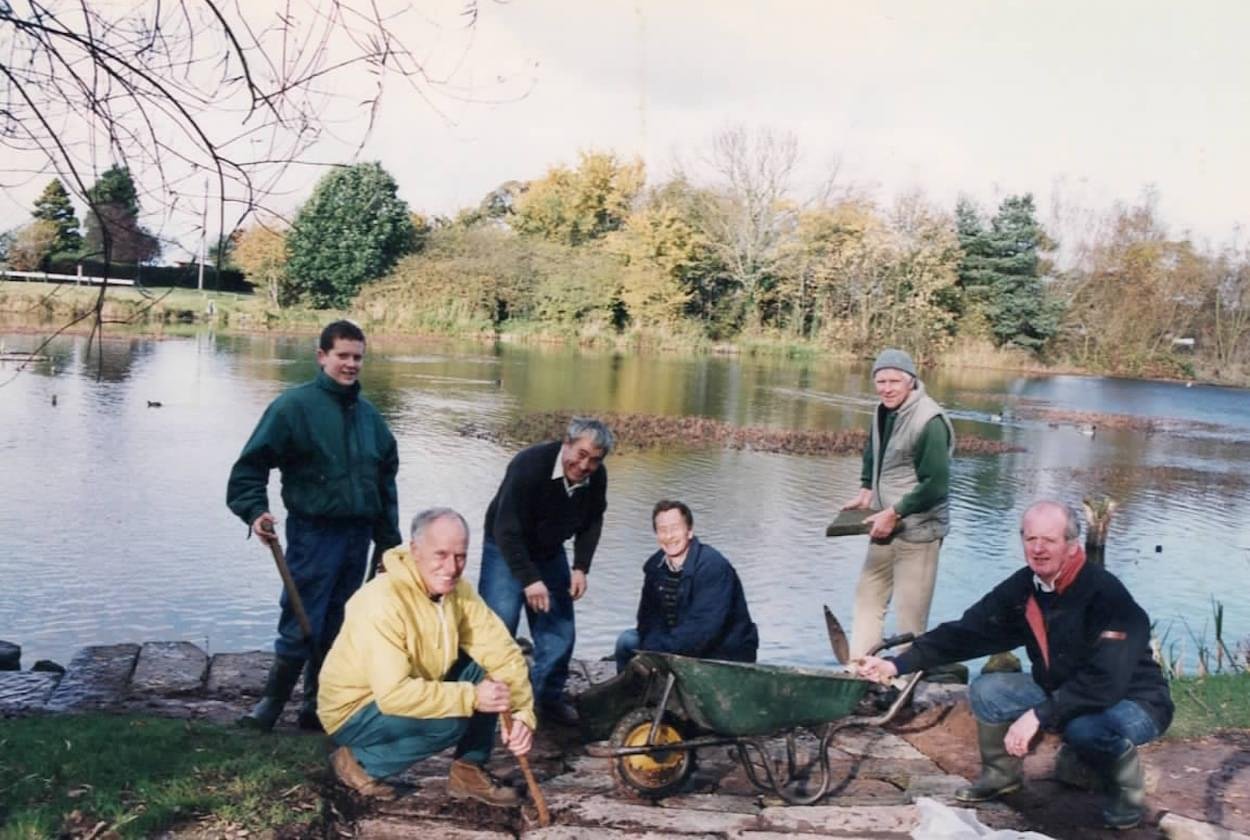
Older members of the community will remember the last severe drought in 1976, when the Pit dried out almost completely, and there were efforts funded by the Parish Council to remove some of the silt, and this led to an island in the middle, and a deep trench in a horseshoe shape around the outside. Although children from the Primary school led the recovery, the major work was then carried out by parents and friends from the Village. Ian Gorst, pictures, was instrumental in designing equipment to help clear vegetation and to try to find a water source. The boat was acquired with funding from a Sponsored Silence held at the Primary School. You can see images of the swan mussels found in the silt, and several pictures of the WREN, Parish Council funded project to remove the build up of silt, which was deposited on local farm fields by Arden’s from Guilden Sutton.
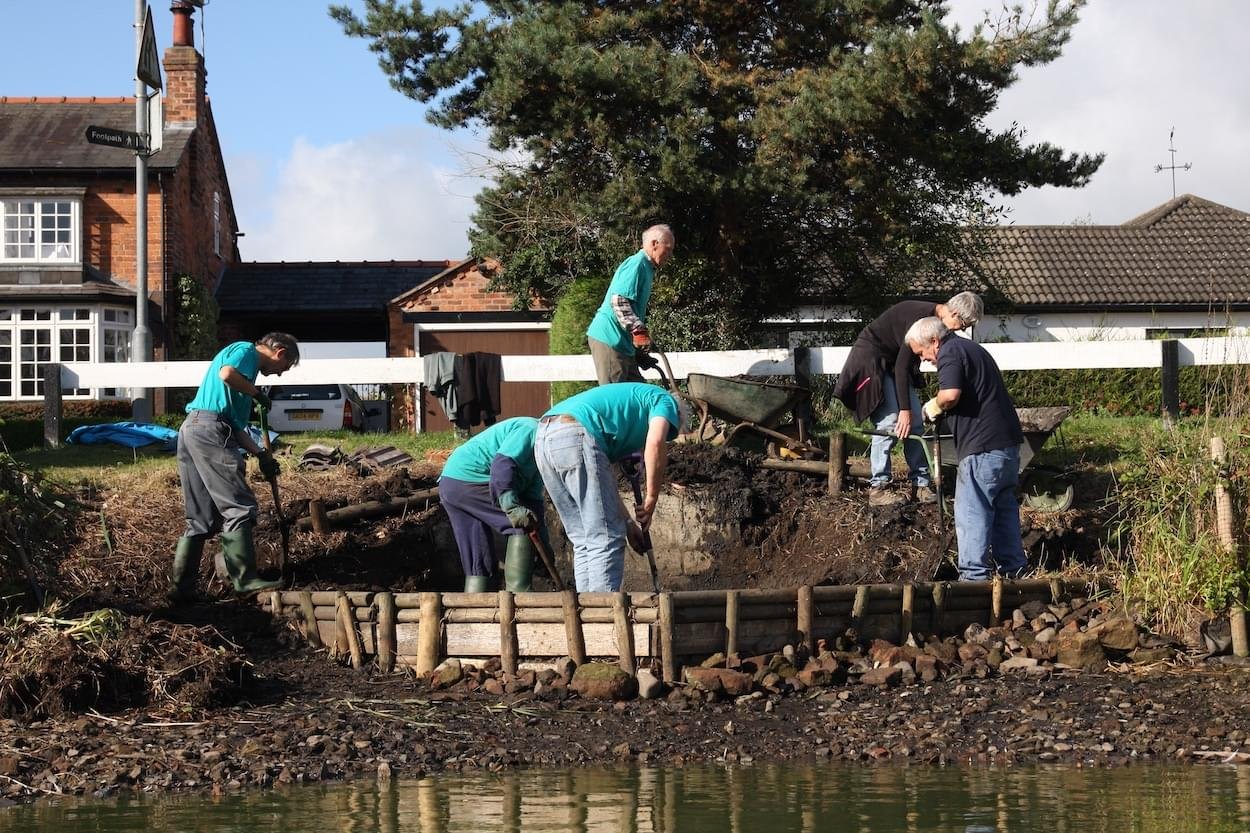
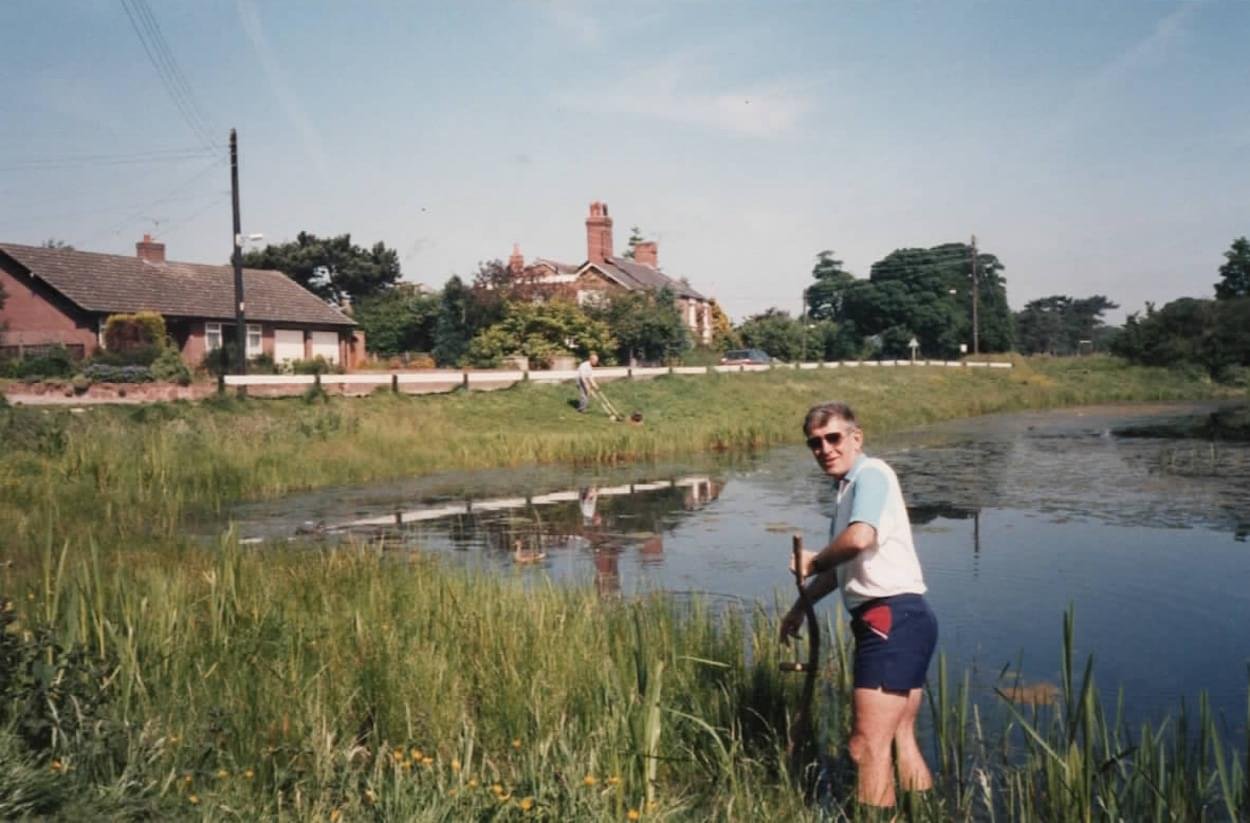
The removal of the silt was crucial, to create more space for water, because the only source of water at the Pit is RAIN, with a smaller amount from road drains. Subsequent pictures show Ted Jones from Kelsall, employed by the Parish Council and myself mowing the banks of the Pit. Then images of the Pit Group building a silt trap, to clean water from storm drains on Little Heath Road, and laying flagstones to help protect the banks from erosion. You can see some of the early work of the group stabilising the bank on the Alms Houses side with stone blocks. Later vegetation* was laid in front of these to prevent wind erosion. The vegetation* (a selection of native English water plants) was planted in coir rolls, purchased from a company in Dorking. These were pinned in placed with wooden stakes and now form the natural bank around the Pit on the Little Heath Road, and Alms Houses side of the water.
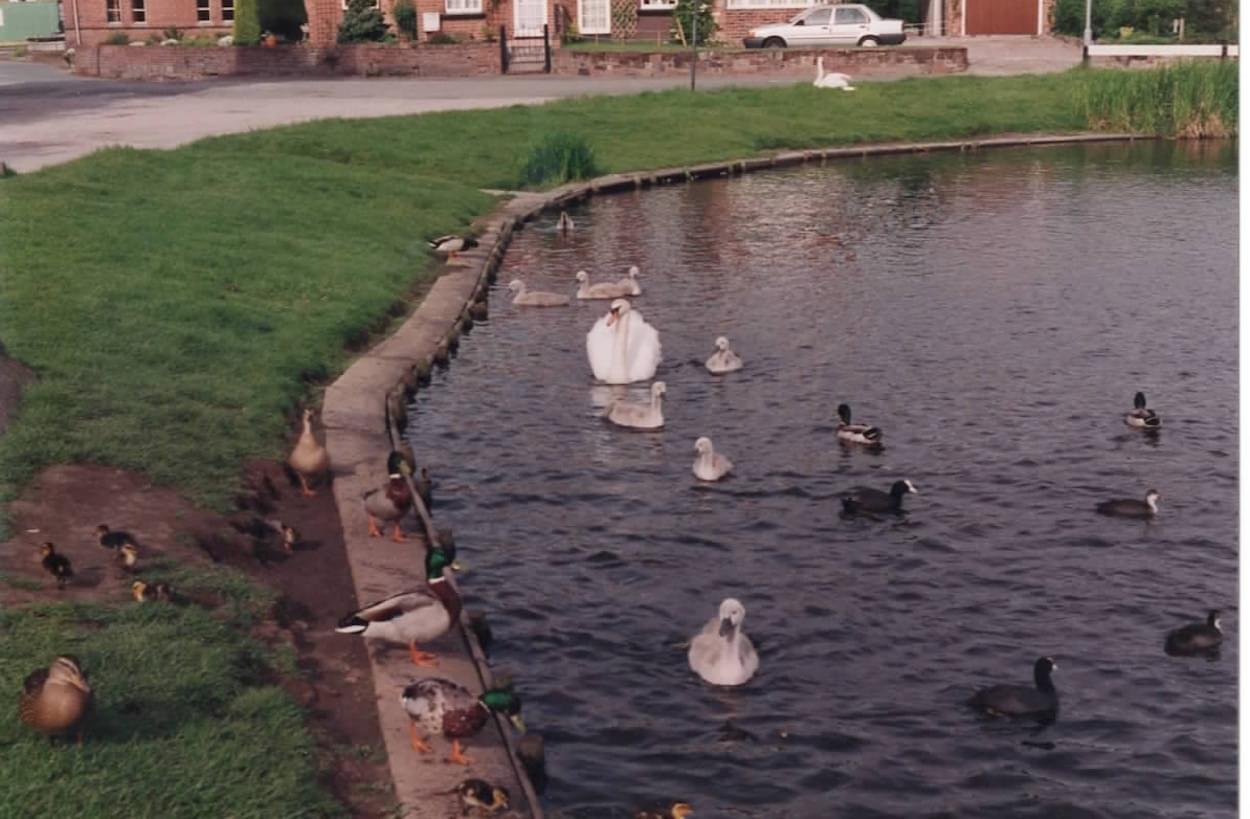
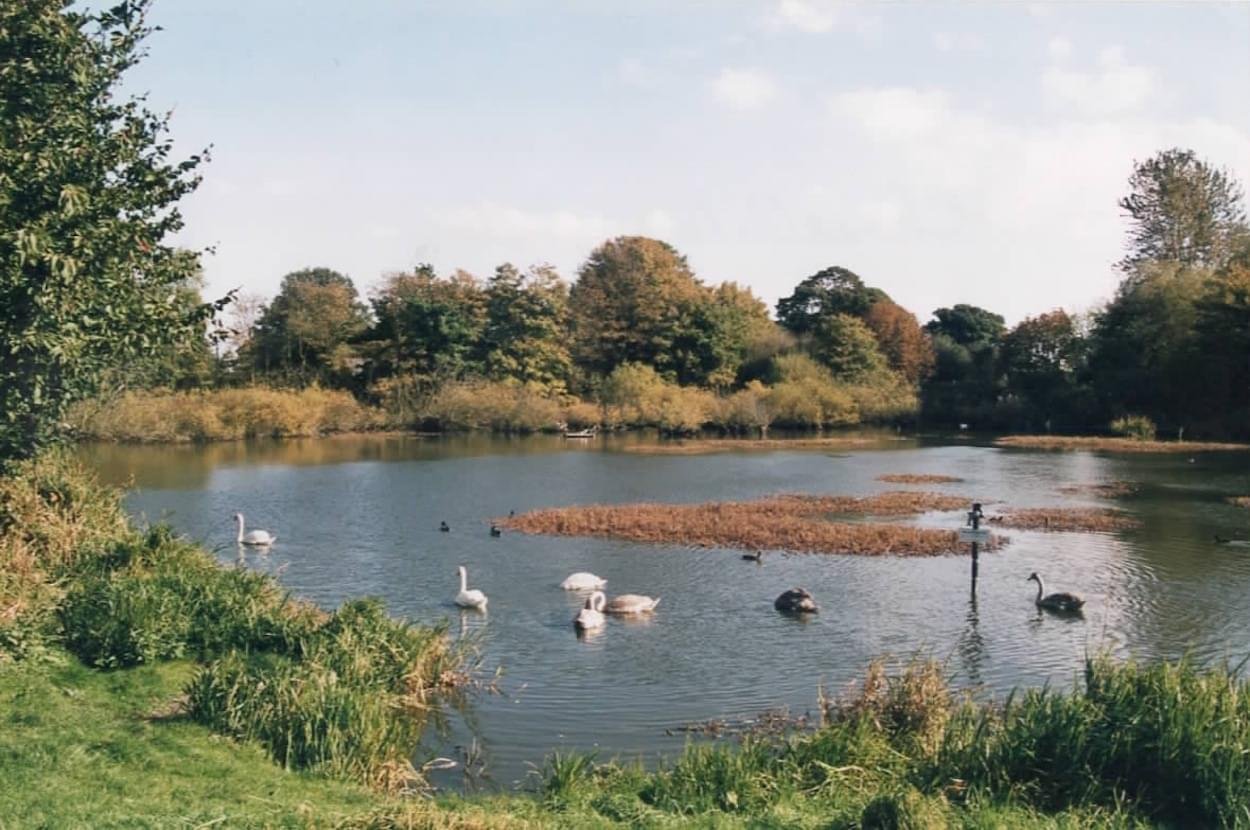
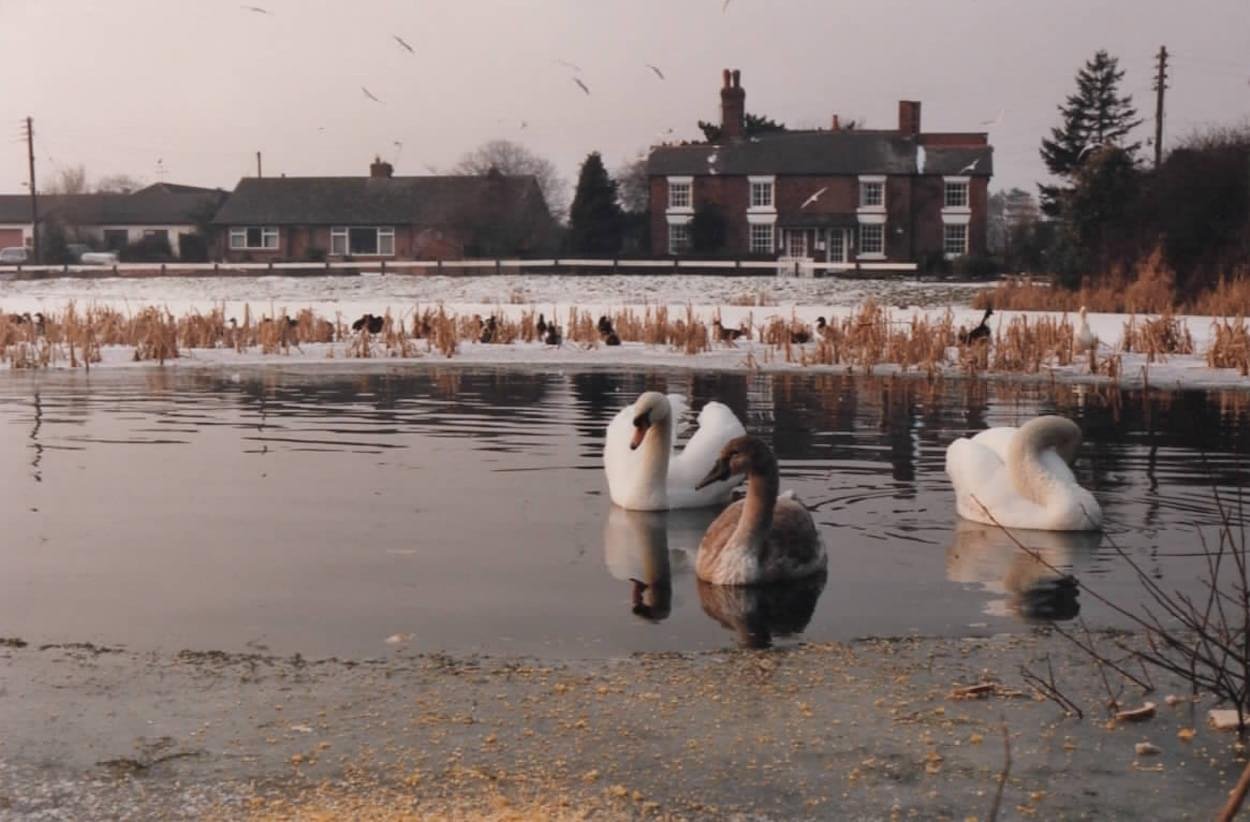
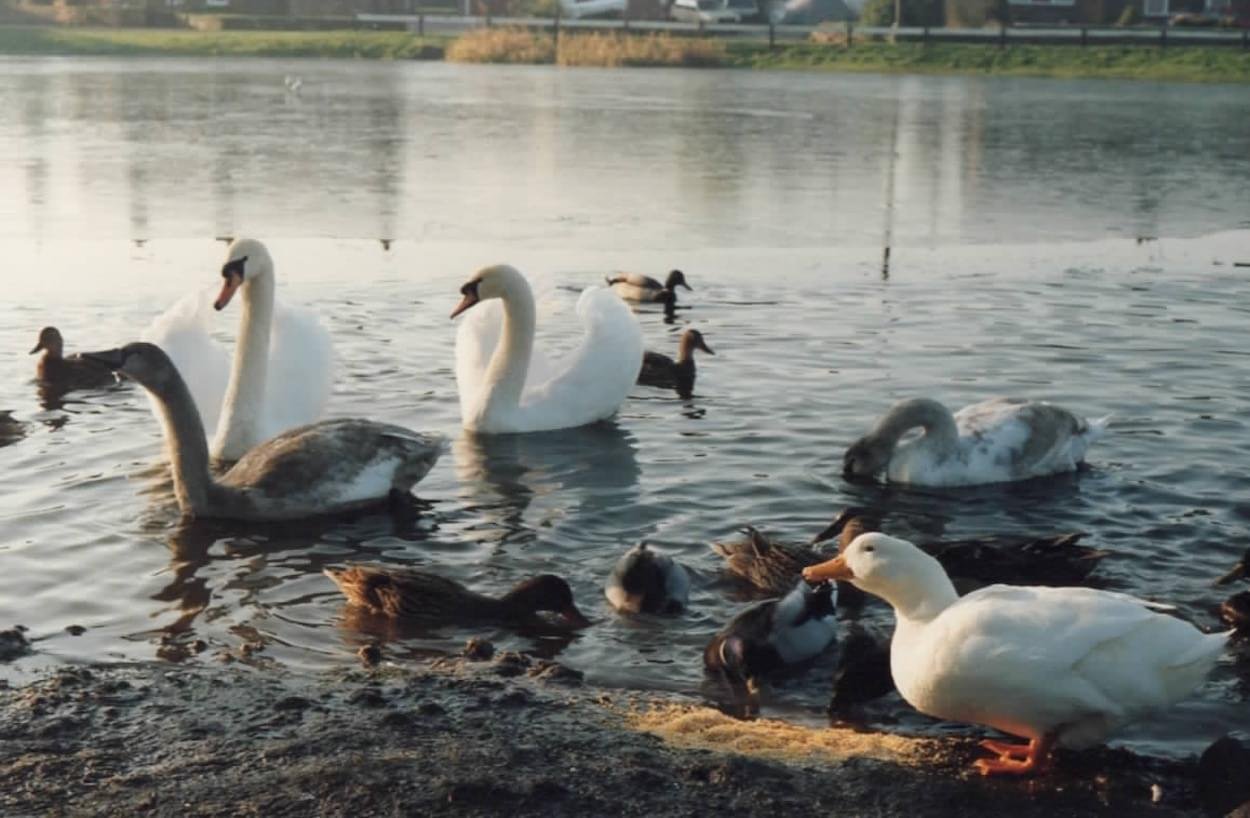
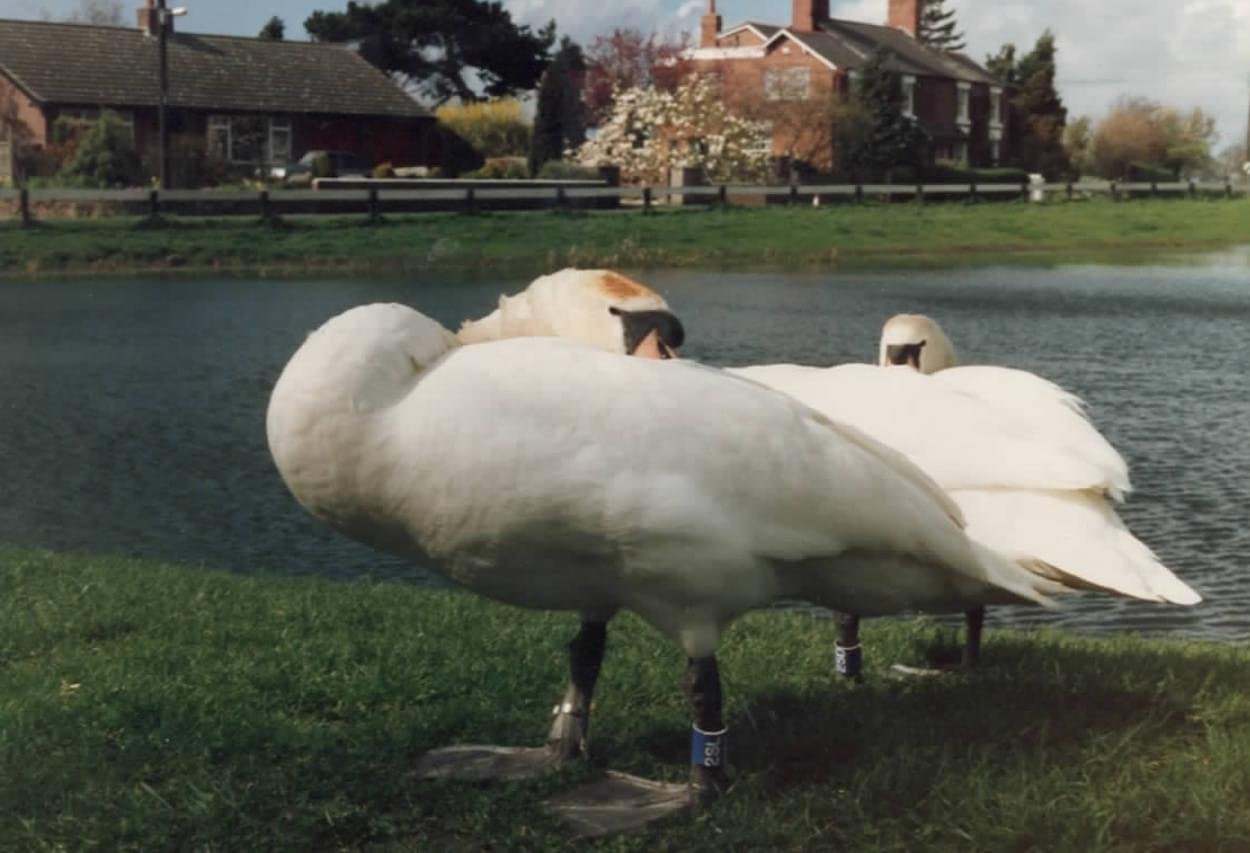
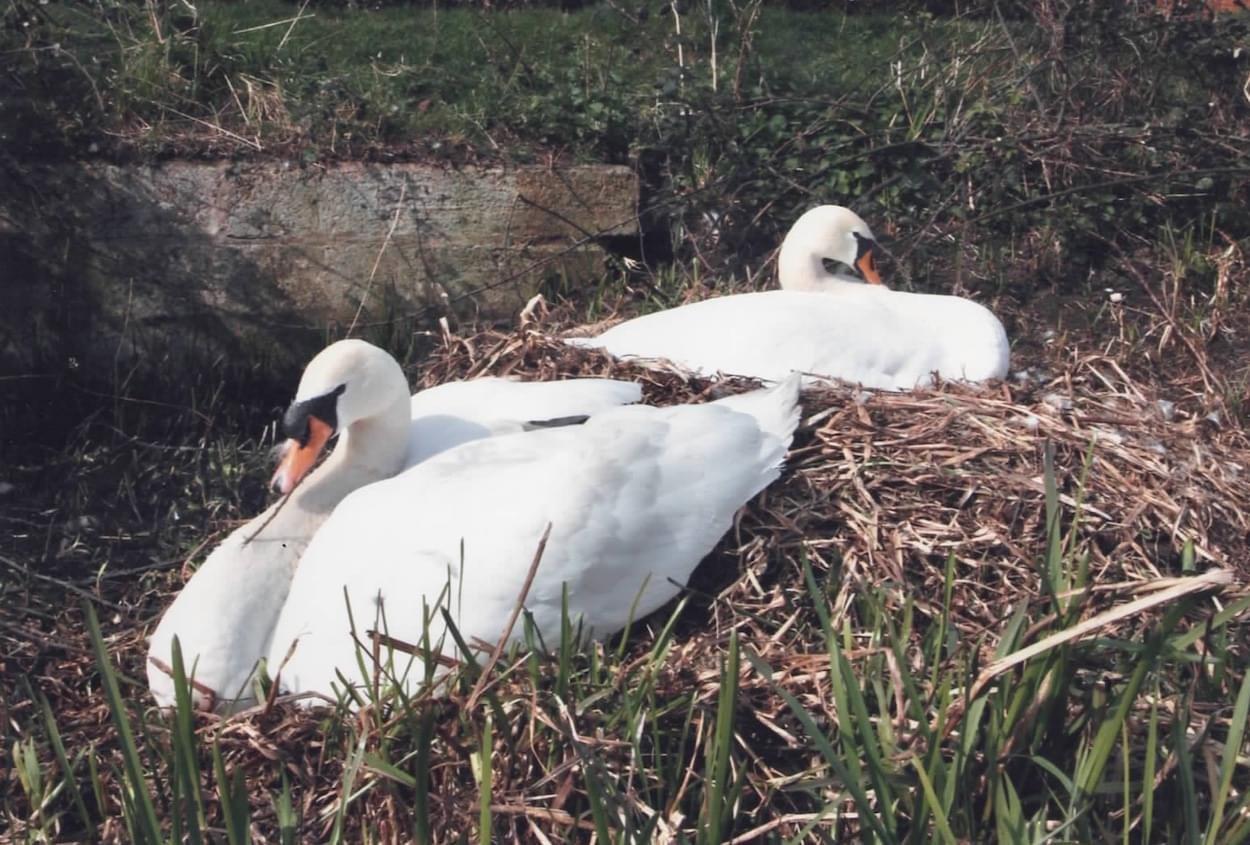
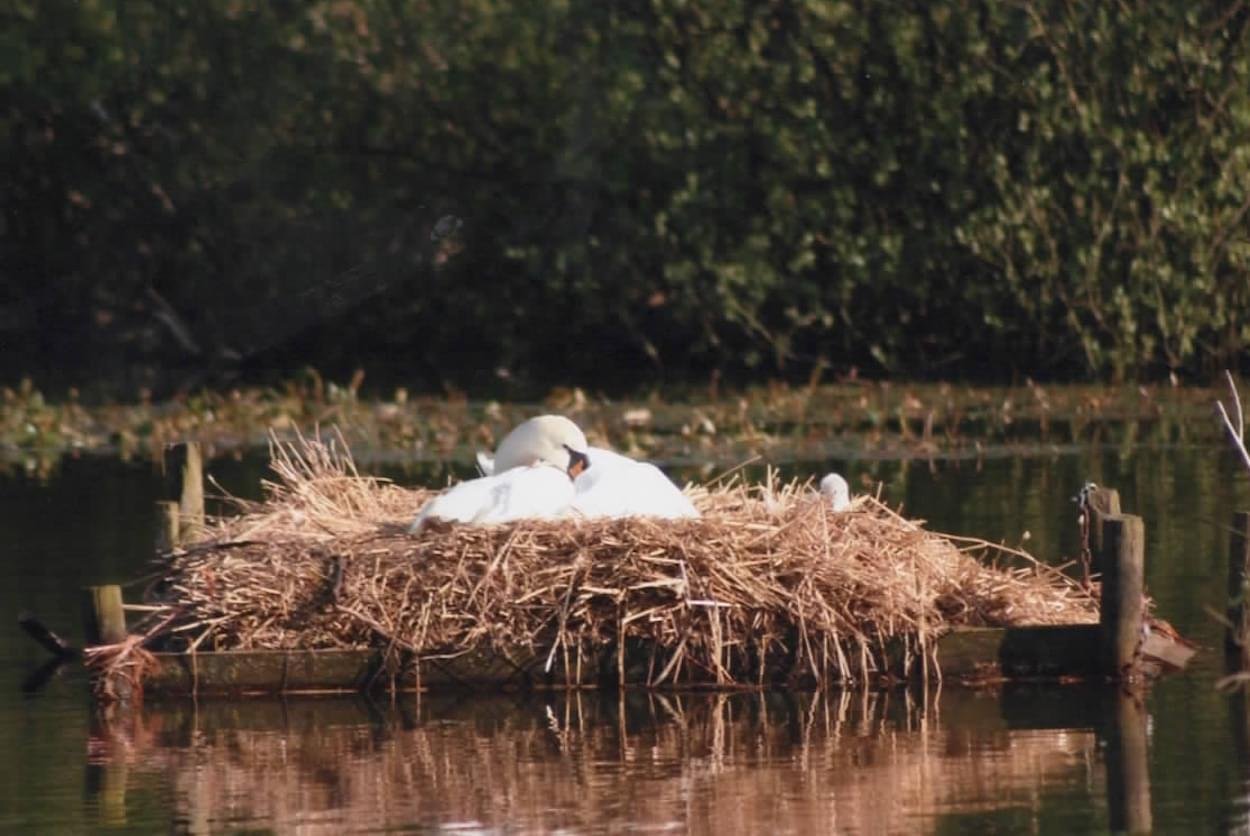
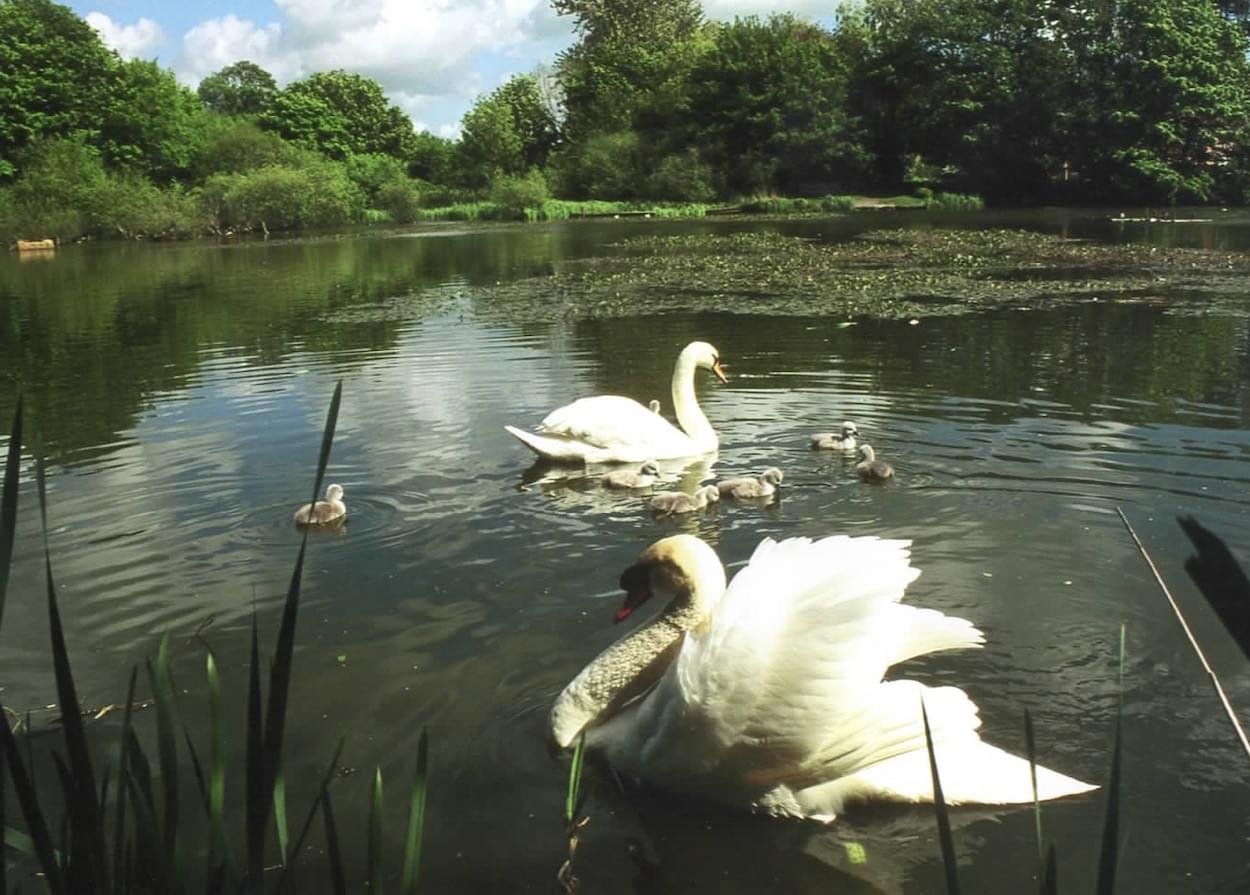
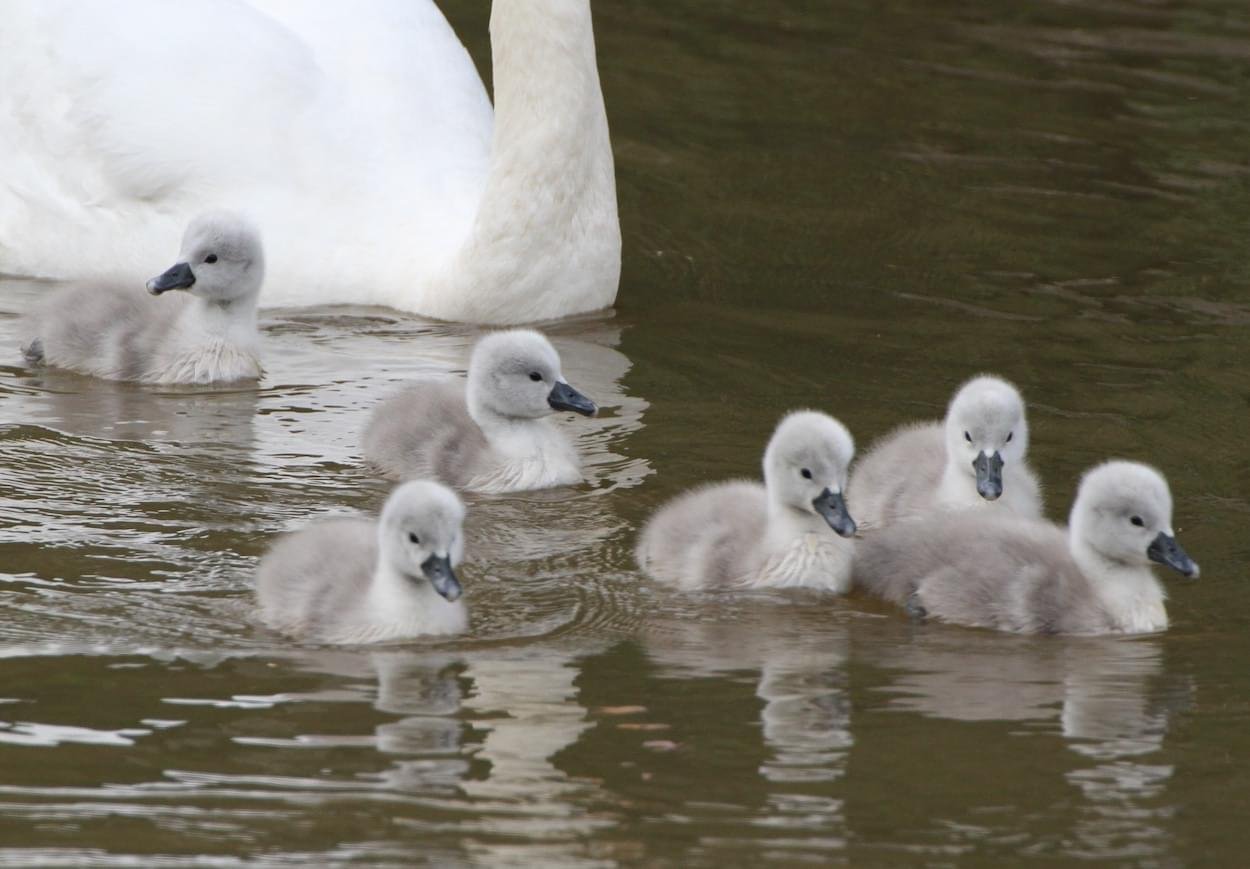
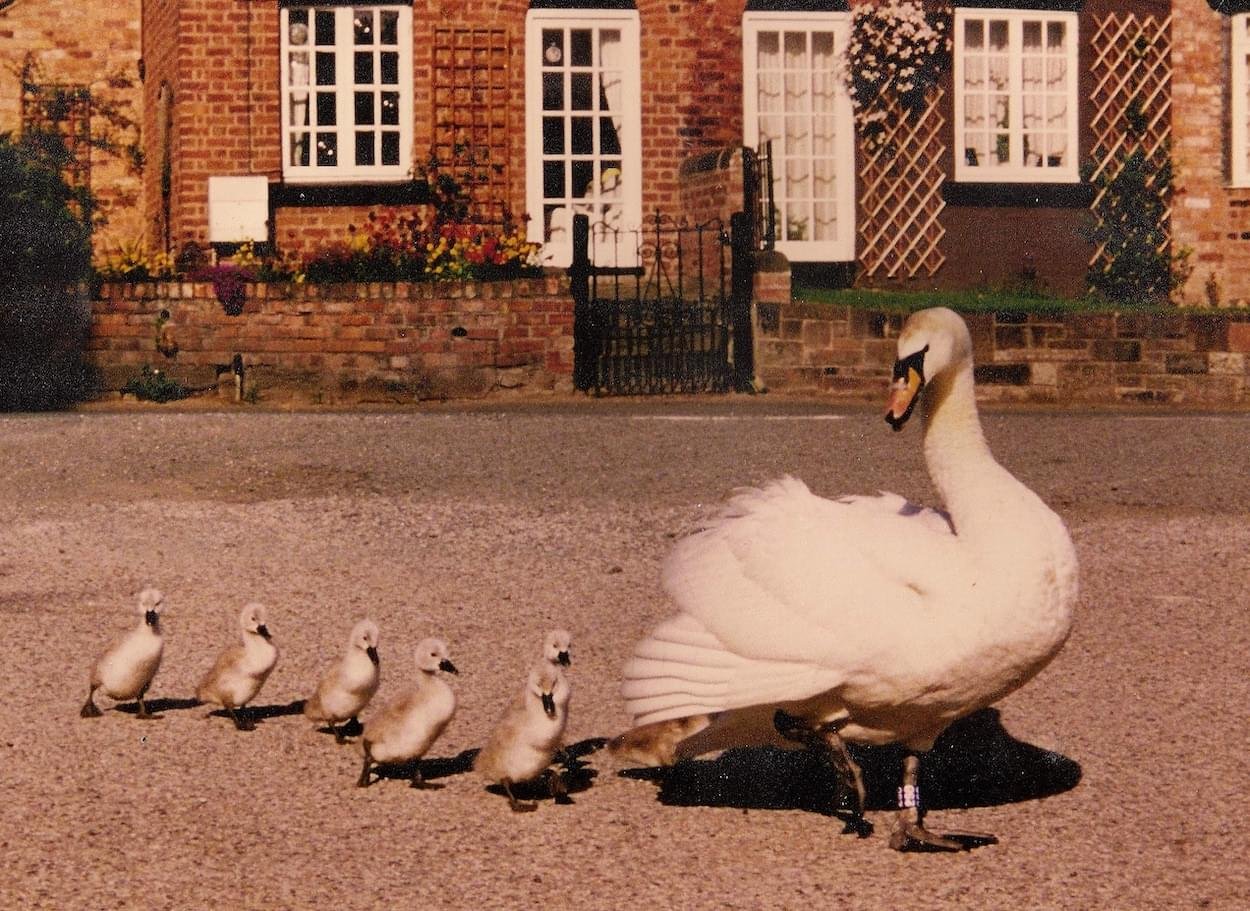
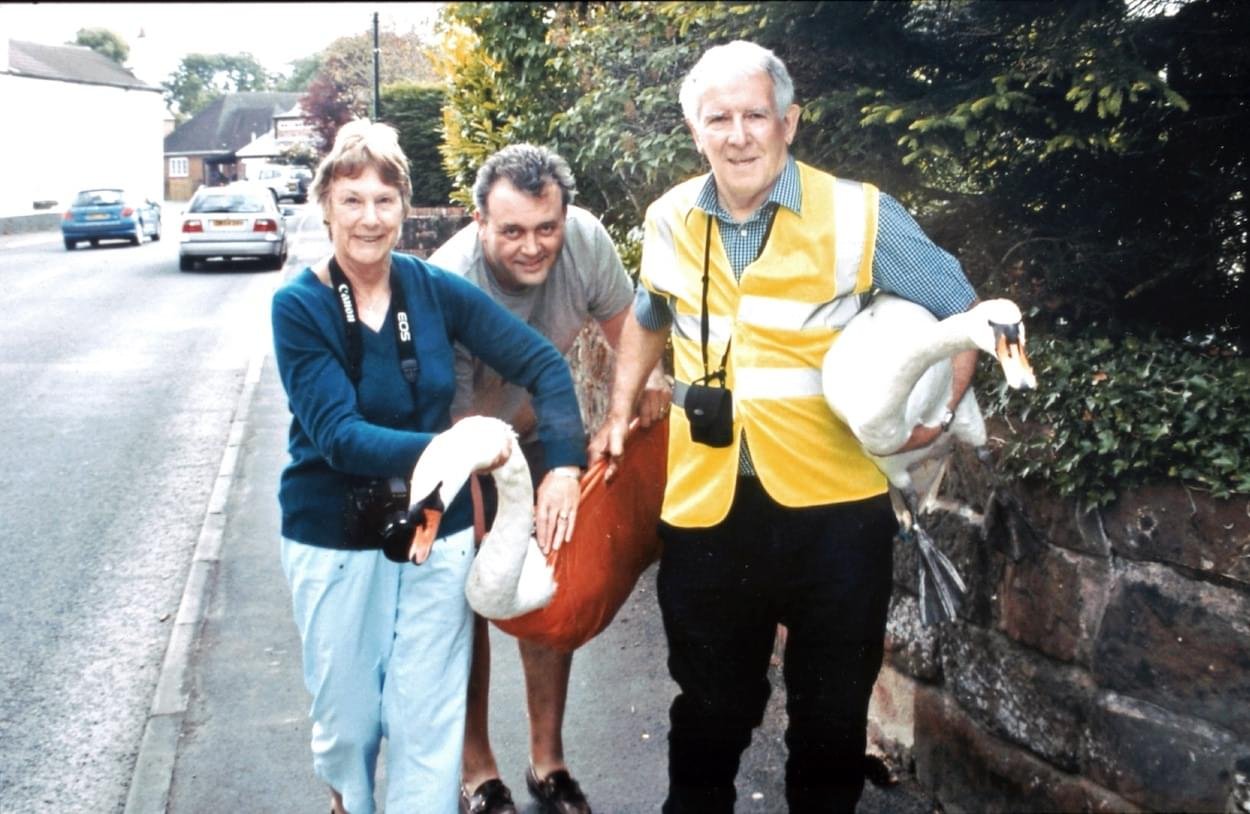
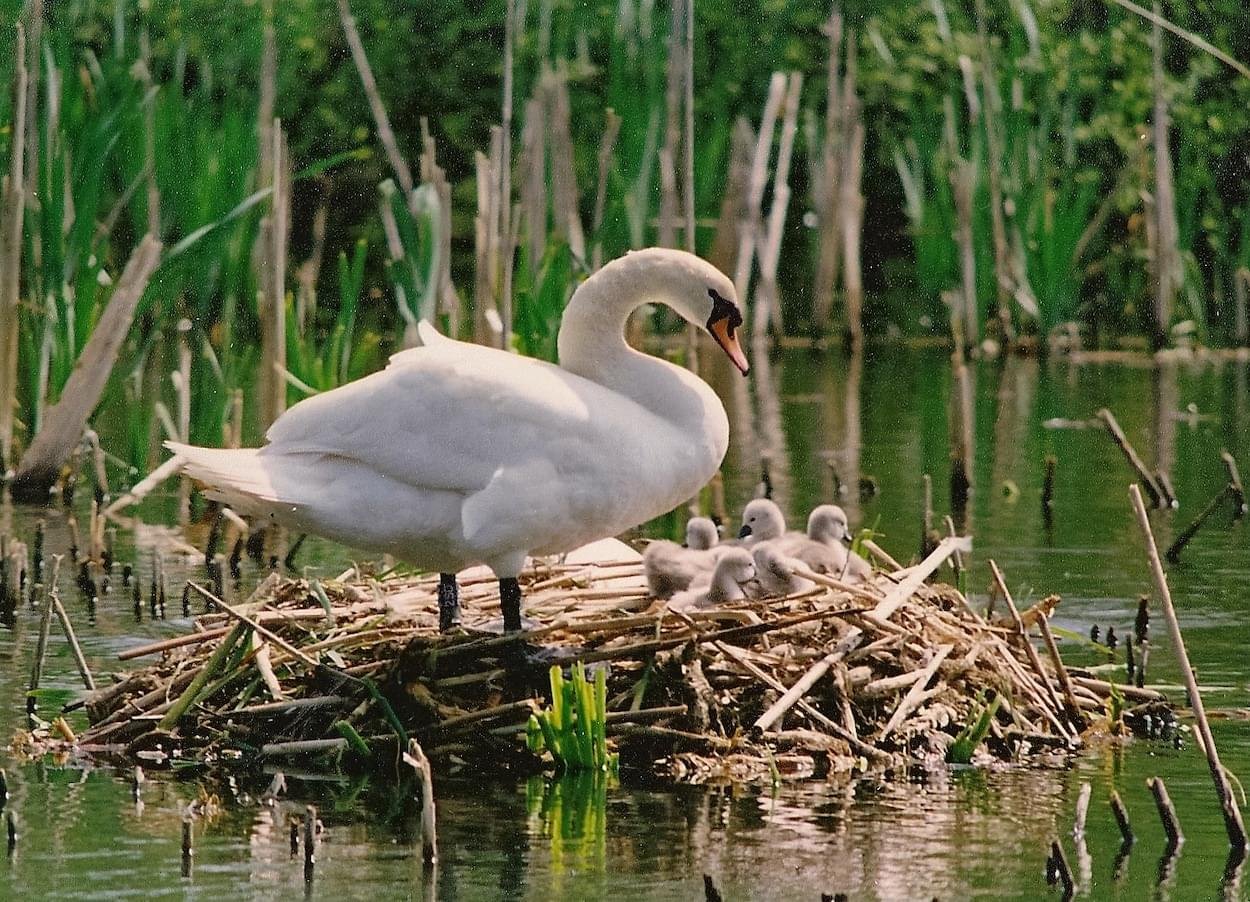
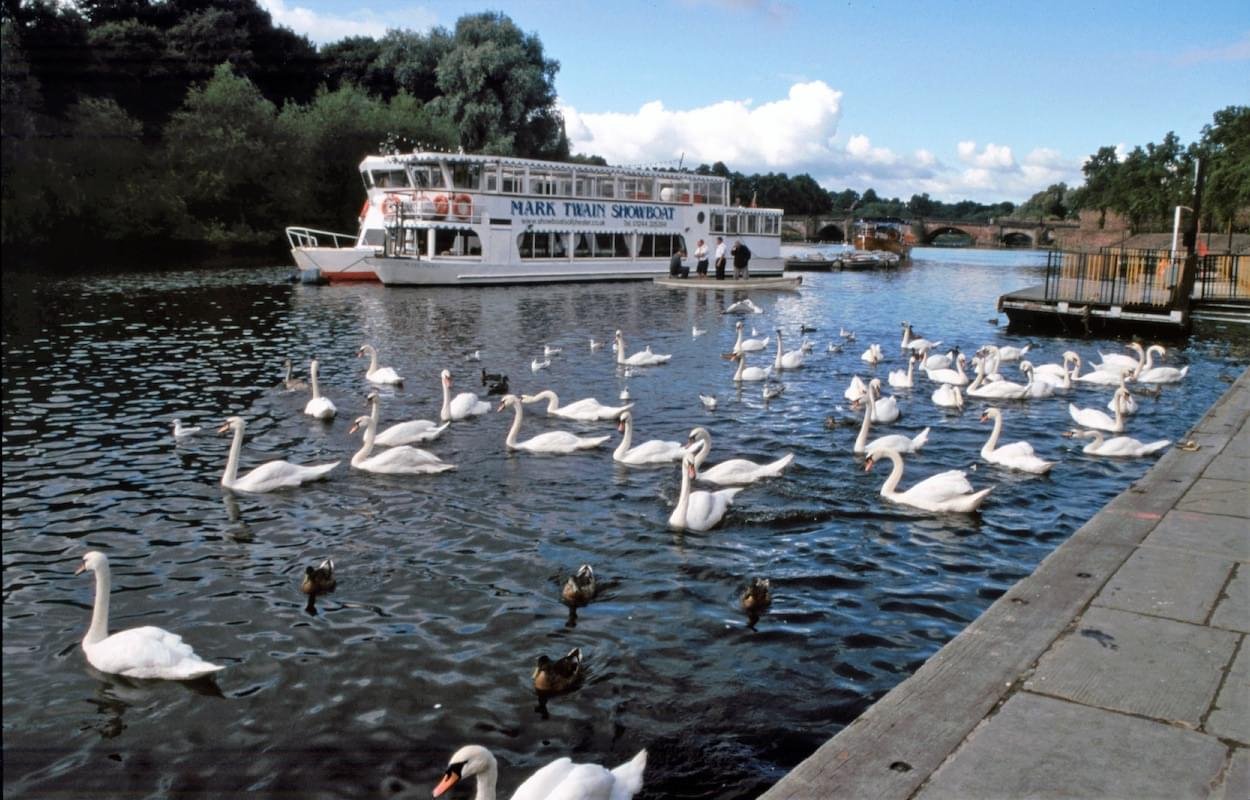
Some of the other pictures from our archive show the swans at various stages of the year at the Pit. 2SL and 2SD were the first pair ringed at the Pit and the cob survived 27years in all with a series of pen(s), He was responsible for at least 180 eggs being laid and over 100 cygnets surviving to fly from the Pit, or as happened many times being escorted through the Village, as they made their way from the Pit to the Canal. This was a usual behaviour, and as far as I am aware, even took place in the 1960’s. The main reason in the last forty years of breeding there, and moving to the canal, was the lack of food supply at the Pit. Each adult and all (usually) seven cygnets ate huge quantities of grass and weed each day. Although this behaviour has happened for years, it was exacerbated by the large fish, several varieties of carp, dumped there after the 1976, drought. These fish eat everything, which is why the Pit is devoid of weeds, and water life. There is a general lack of mute swans in Cheshire and North Wales. No one is sure why, but species do change habits over the years and move to different areas. Bird flu didn’t help in the case of mute swans, and I had to care for six cygnets brought to the Village by the RSPCA, who all sadly died. At least we have a pair with cygnets again on the canal.
I’m sure we all need to be concerned about the changes that are happening to our local wildlife, sometimes caused by us, in the way we now farm or behave, and climate change isn’t helping. Swans are big and white and are noticeable, but lots of smaller species are disappearing fast, swifts, swallows and house martins in particular are having a terrible time, often due to climate or habitat change.
-

The Pit, Christleton in the 1970's
-

Ian Gorst
-

Ian and the Boat Crew in Christleton
-

Christleton Pit team using the boat
-

Swan Mussels
-

Blue Boar silt removal, Christleton Pit
-

Blue Boar silt removal Christleton Pit
-

Christleton Pit silt removal
-

Christleton Pit Group laying flagstones
-

Christleton Pit Group refurbishing silt trap
-

Christleton Pit team conservation work
-

1Swans on Christleton Pit
-

Swans family at the Pit in Christleton
-

Swans in the winter at Christleton
-

Winter Swans at Christleton Pit
-

The 1980's Pair 2SD 2SY
-

Pair nesting near Silt Trap at Christleton
-

Pair of swans nesting on artificial nest site
-

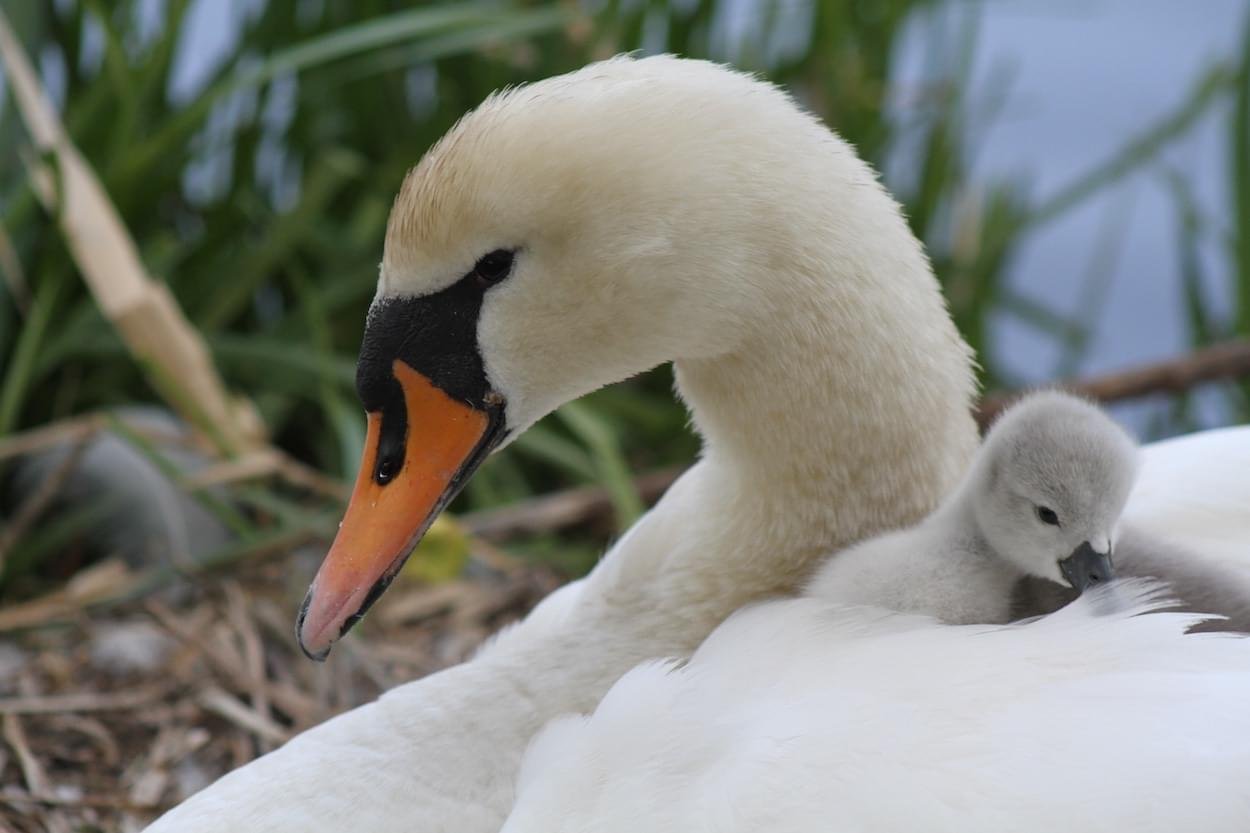
Pair of Swans with Cygnets at Christleton Pit
-

2015 Cygnets at Christleton
-

Clifton Brothers with swans at Christleton Pit
-

1980's swans on village walk, Christleton
-

Swans being helped through the village of Christleton
-

Swan and cygnet at the Pit
-

Swan 2SD at Christleton Pit
-

40 plus Swans on River Dee at the Groves